
Stop chasing algorithm updates. You’re playing a losing game. The SEO conversation is littered with chatter about the latest Google tweak, but focusing on that is like trying to predict the weather by staring at a single cloud.
Effective SEO strategies for Google ranking are not a series of tricks to outsmart a machine. They are a systematic process of building a high-quality, authoritative website that genuinely serves user needs. This involves three core pillars: deep user intent analysis, flawless technical execution, and building verifiable authority in your niche. To learn more about specific tactics, discover modern seo strategies that work to generate traffic effectively. By the end of this guide, you will have a repeatable framework for building an seo strategy that delivers sustained organic traffic and measurable business results, independent of fleeting algorithm changes.
Prerequisites
Before you begin, ensure you have the following tools and access levels set up. This isn’t a “nice-to-have” list; it’s the minimum buy-in.
- A Business-Tier SEO Tool: You need a subscription to a platform like Ahrefs, Semrush, or Moz Pro. Free tools won’t provide the backlink data or competitive insights required.
- Google Analytics: Properly installed on your website with goal/conversion tracking configured. You can’t improve what you don’t measure.
- Google Search Console: Verified access is non-negotiable. This is your direct line of communication with Google, providing invaluable data on crawl errors, indexing status, and query performance.
Step 1: Understanding Google’s Ranking Factors
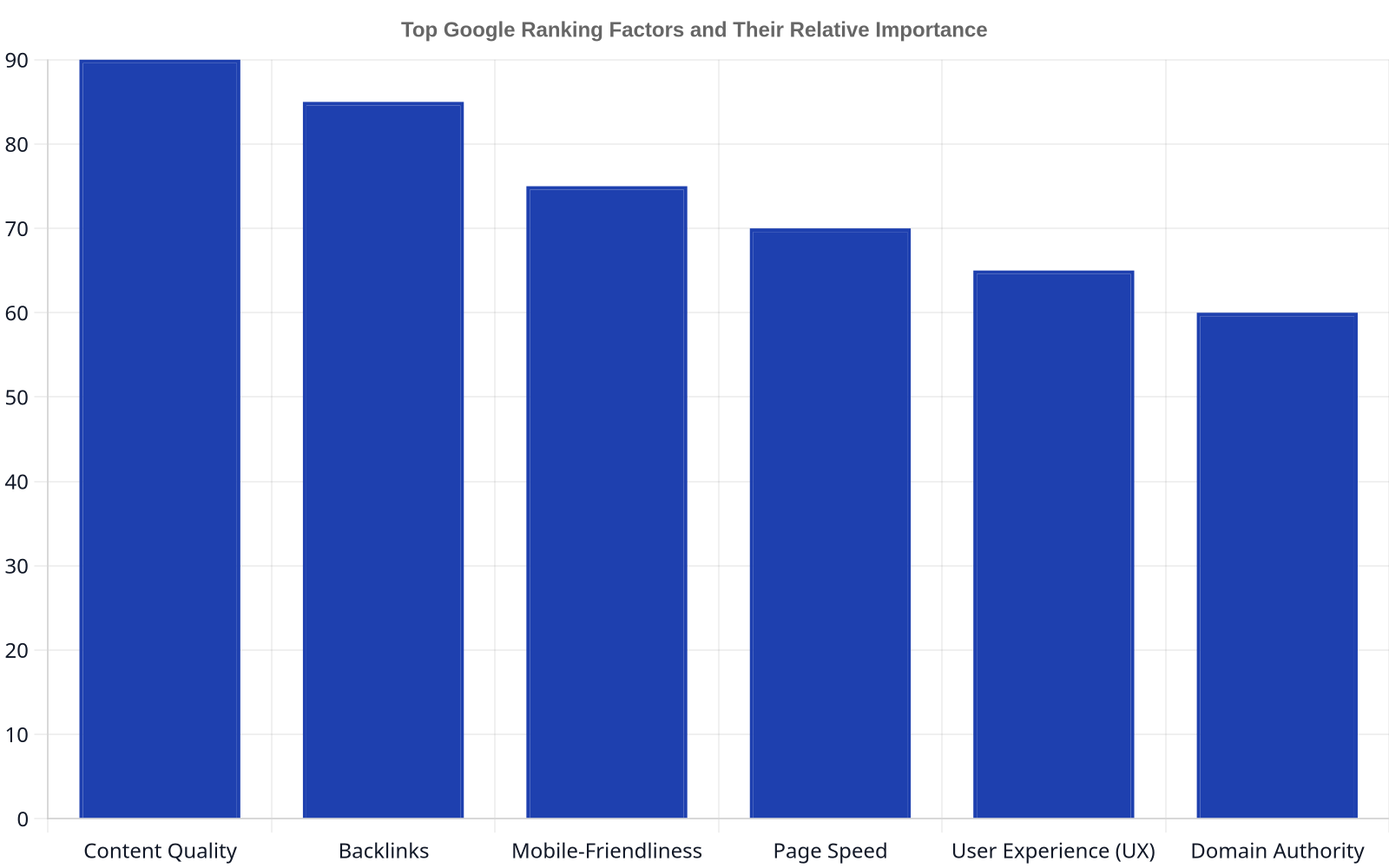
Google uses a complex system of algorithms to rank websites. While the exact formula is a secret, extensive industry analysis has identified several key factors. Content relevance and backlinks have long been pillars, but user experience signals are increasingly critical. Google’s 2023 Helpful Content Update solidified this, penalizing content created merely to rank. The focus is now on E-E-A-T: Experience, Expertise, Authoritativeness, and Trustworthiness. These principles are central to how it evaluates content quality.
Step 2: Keyword Research: The Foundation of SEO
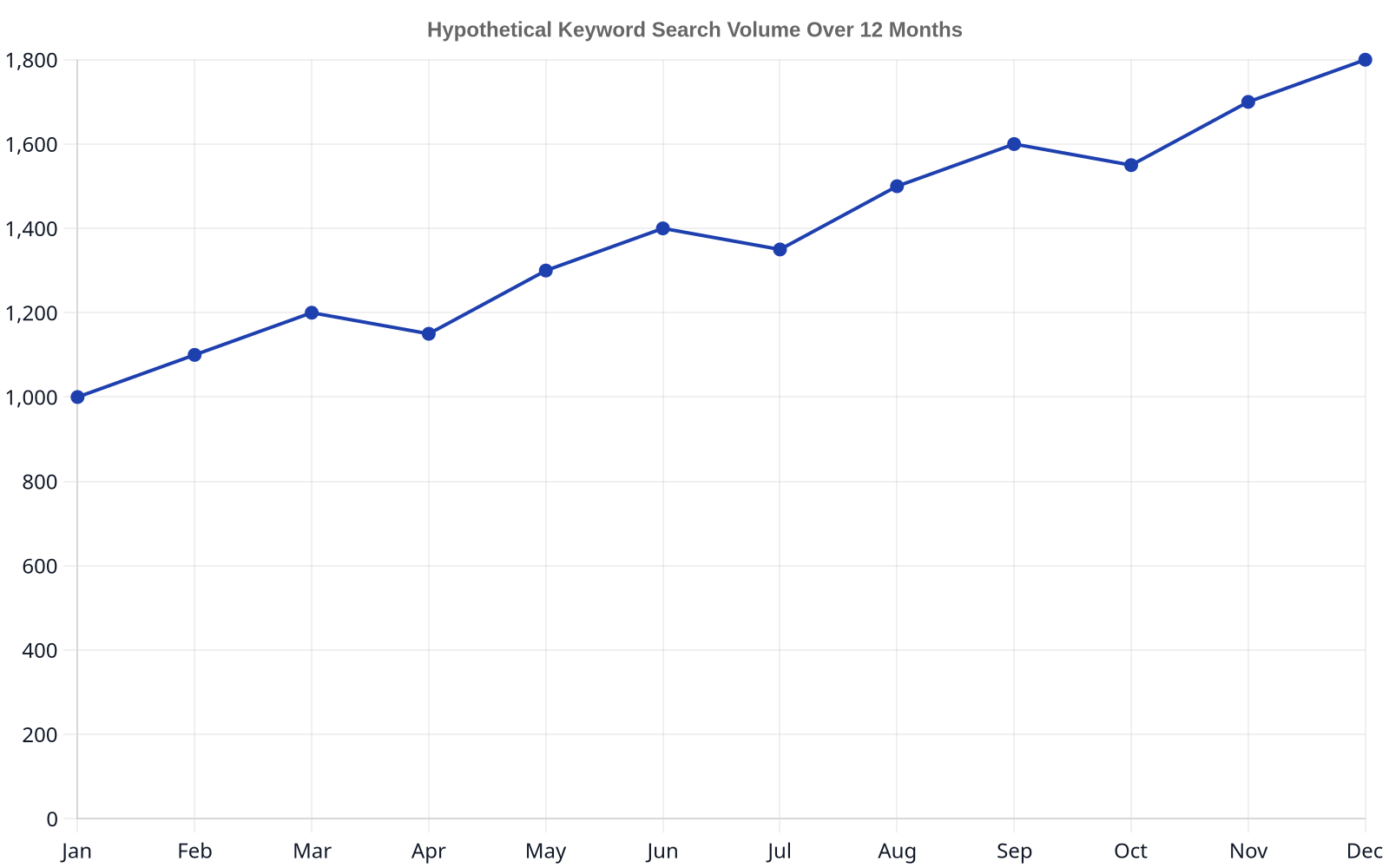
Bad keyword research is the original sin of SEO. Targeting terms with no commercial intent or impossibly high competition is a waste of resources. The goal isn’t just to find keywords; it’s to map the entire customer journey through search queries.
Your analysis should group keywords by user intent:
- Informational: The user wants to know something (e.g., “how to improve website speed”).
- Navigational: The user wants to go to a specific site (e.g., “Dynareach blog”).
- Commercial: The user is investigating products or services (e.g., “best saas development agency”).
- Transactional: The user wants to buy something (e.g., “hire seo consultant”).
Our agency’s approach to keyword research always begins by mapping these intents to specific page types—blog posts for informational queries, service pages for commercial ones. This ensures every piece of content has a clear purpose and audience.
Step 3: On-Page SEO Optimization Techniques
On-page SEO is the practice of optimizing individual web pages to rank higher and earn more relevant traffic. It goes far beyond simply stuffing a keyword into the text. It’s about signaling relevance and quality to both users and search engines. Every element on the page should work in concert to clarify the page’s topic and purpose.
Key elements to optimize include:
- Title Tag: The single most important on-page factor. It should include your primary keyword and be compelling enough to earn a click from the search results page. Keep it under 60 characters.
- Meta Description: While not a direct ranking factor, a well-written meta description improves click-through rate (CTR). Think of it as ad copy for your page.
- Header Tags (H1, H2, H3): Use one H1 per page for the main title. Use H2s and H3s to structure the content logically, incorporating primary and secondary keywords naturally.
- URL Structure: Create clean, descriptive, and keyword-rich URLs (e.g.,
yourdomain.com/seo-strategies/instead ofyourdomain.com/p?123). - Internal Linking: Link to other relevant pages on your site. This helps search engines understand your site structure and spreads authority between pages. When done correctly, it can improve your chances for a better ranking, a core pillar of a solid seo strategy plan.
Step 4: Master Technical SEO
If on-page SEO is the interior design of your house, technical SEO is the foundation, plumbing, and electrical. Without a solid technical base, all other efforts will eventually fail. Many businesses we see have amazing content on sites that are fundamentally broken from Google’s perspective.
A comprehensive technical SEO audit should be your starting point. Key areas to scrutinize include:
- Crawlability & Indexability: Can search engines find and read your content? Check your
robots.txtfile and use Google Search Console’s “Coverage” report to find errors. - Site Speed: Page speed is a confirmed ranking factor. Use Google’s PageSpeed Insights to test your pages and get actionable recommendations. The shift to mobile-first indexing means Google primarily uses your mobile site’s performance. A 2022 analysis by Ahrefs confirmed a strong correlation between site speed and first-page rankings.
- Core Web Vitals: These are specific speed metrics related to user experience: Largest Contentful Paint (LCP), Interaction to Next Paint (INP), and Cumulative Layout Shift (CLS). Passing the Core Web Vitals assessment is essential.
- Schema Markup: Implement structured data (schema) to help Google understand the content and context of your pages, which can result in rich snippets in the SERPs.
Step 5: Building High-Quality Backlinks
Backlinks—links from other websites to yours—remain one of the most powerful ranking signals. However, the focus has shifted dramatically from quantity to quality. A single, relevant link from an authoritative domain is worth more than hundreds of low-quality links. Google wants to see that other respected entities in your field trust your content.
Effective link-building strategies in 2026 are resource-intensive. They are about creating assets that other people want to link to. Tactics include:
- Creating Linkable Assets: This could be original research, a free tool, a comprehensive guide, or a data-driven study. Produce something of undeniable value.
- Guest Posting (Strategically): Forget spammy guest post farms. Focus on writing genuinely useful articles for respected publications in your industry. The goal is referral traffic and authority, not just a link.
- Digital PR: Promote your best content and company stories to journalists and bloggers. When you publish something newsworthy, you earn links naturally.
This is often the hardest part of SEO, and where many businesses fail. It’s a long-term investment in brand authority, but it’s what separates a good website from a great one. Making sure your core services are optimized and your website is solid before embarking on this journey is key to any successful website development project.
Step 6: Measuring and Analyzing Your SEO Performance
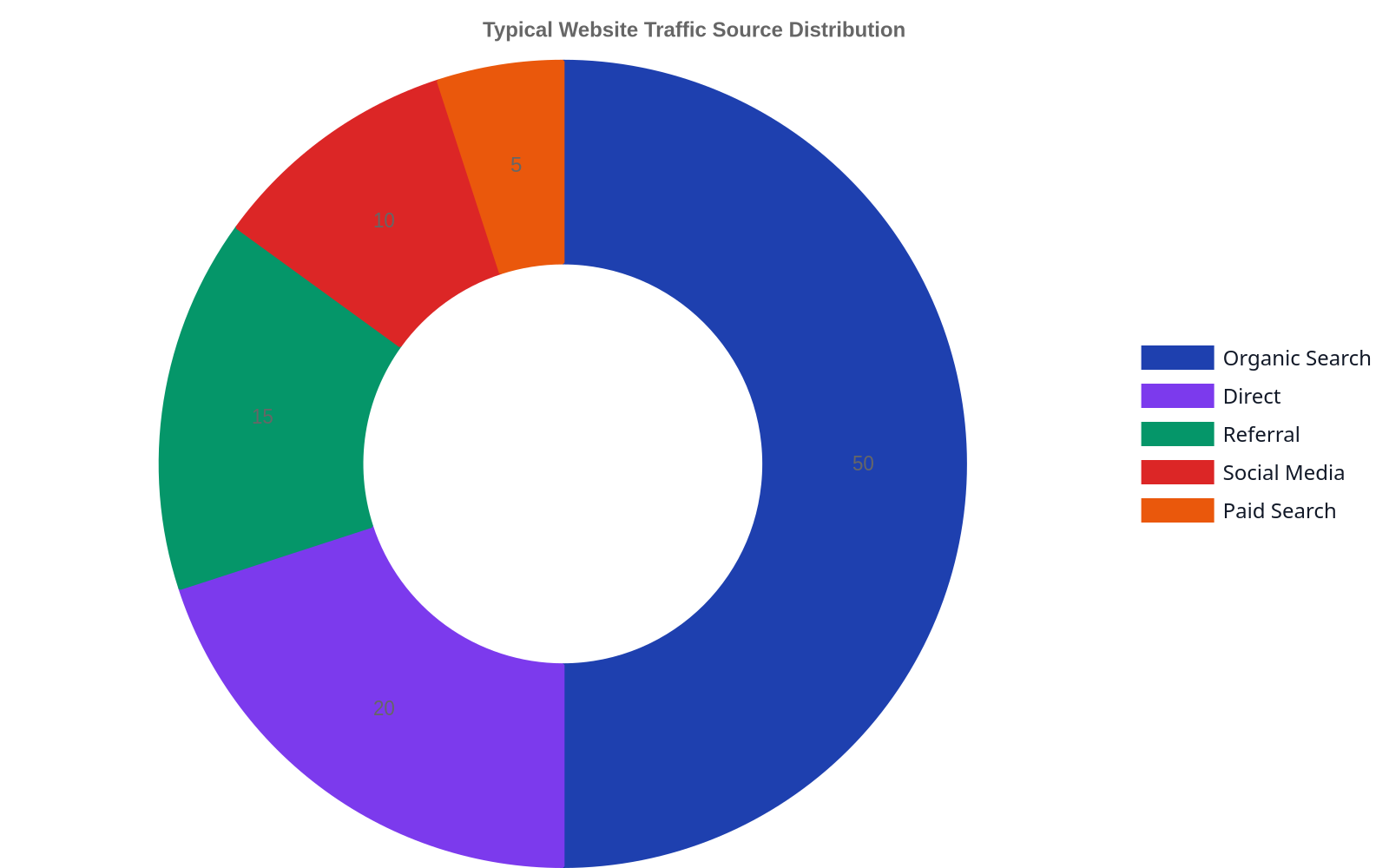
SEO is not a “set it and forget it” activity. Continuous measurement is required to understand what’s working, what isn’t, and where to allocate resources. A client of ours, Wolverine Assemblies, saw a significant increase in inquiries after we rebuilt their site and implemented a measurement framework to track keyword performance and lead attribution.
Your primary dashboard should be Google Search Console and Google Analytics, but your SEO platform provides the competitive context.
Key Performance Indicators (KPIs) to track:
- Organic Traffic: The number of visitors coming from search engines.
- Keyword Rankings: Track a core set of target keywords, but don’t obsess over daily fluctuations. Focus on trends over weeks and months.
- Click-Through Rate (CTR): The percentage of users who click on your site in the search results. Low CTR can indicate a poor title tag or meta description.
- Backlink Profile Growth: Are you acquiring new, high-quality backlinks over time?
- Conversions from Organic Traffic: This is the ultimate metric. Are your SEO efforts leading to actual business outcomes like leads, sales, or sign-ups?
Troubleshooting Common SEO Issues
Even with a perfect strategy, you can hit roadblocks. Here are some common problems and how to approach them.
- Sudden Traffic Drop: Check for Google penalties (manual actions) in Search Console first. Then, look for major algorithm updates that coincide with your drop. Did you lose a high-ranking backlink? Did your server go down? It’s usually one of a few culprits.
- Content Not Ranking: Is the keyword competition too high? Use Ahrefs to check keyword difficulty. Is your content truly better than what’s currently on page one? Be honest. Is the page properly indexed? Use the “URL Inspection” tool in Search Console.
- High Bounce Rate from Organic Traffic: This suggests a mismatch between user intent and your content, or a poor user experience. Is the page slow to load? Is it unreadable on mobile? Does it immediately answer the question implied by the search query?
FAQ
How long does it take for SEO to show results?
For a new website, expect to see initial traction in 6 to 12 months. SEO is a long-term investment. While foundational technical fixes can produce results within weeks, meaningful keyword rankings and organic traffic growth require months of consistent effort in content creation and authority building. Anyone promising page-one rankings in a few weeks is selling snake oil.
Is keyword density still important?
No, not in the way it used to be. The concept of achieving a specific percentage of keyword repetition is outdated and can lead to penalties for “keyword stuffing.” Instead, focus on creating comprehensive, high-quality content that naturally uses the target keyword and related semantic terms. Google is smart enough to understand the topic of a page without you repeating a phrase five times.
What’s the difference between on-page, off-page, and technical SEO?
- On-Page SEO refers to optimizations on your website, like content quality, keyword usage, title tags, and internal linking.
- Off-Page SEO refers to actions taken outside of your own website to impact your rankings, primarily building high-quality backlinks.
- Technical SEO ensures your website can be crawled and indexed properly by search engines. This includes site speed, mobile-friendliness, and site architecture.
Can I do SEO myself?
Yes, you can learn and implement the basics, especially for a small personal blog or local business site. The steps in this guide provide a solid framework. However, for competitive niches or larger business sites, the complexity, time commitment, and need for expensive tools often make it more effective to hire an expert. If you’re unsure, you should learn how to select a digital marketing agency that fits your needs.
Why isn’t my page with a 100/100 PageSpeed score ranking first?
Site speed is only one of many ranking factors. A perfect score is excellent, but it won’t compensate for poor content, a lack of backlinks, or targeting a keyword with impossibly high competition. The top-ranking pages have a strong profile across all major factors—content quality, authority (backlinks), user experience, and relevance. A fast site that doesn’t satisfy the user’s query is still a bad result for Google.
How is AI changing SEO in 2026?
AI is integrated into every part of the process. Search engines use AI to understand content and queries more deeply. SEOs use AI for keyword research, content ideation, and technical audits. However, it’s not a replacement for strategy. AI-generated content often lacks the “Experience” and “Authoritativeness” (the E and A in E-E-A-T) that Google requires. Use AI as a powerful assistant, not an author.