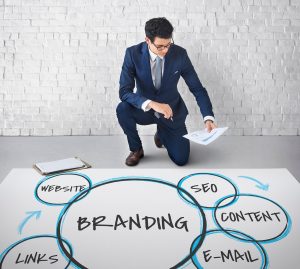
Most businesses hire a digital marketing agency for the wrong reason. They buy a list of services—a monthly retainer for SEO, a budget for Google Ads, a certain number of social media posts. This is like hiring a construction crew by telling them how many nails to hammer per day. It mistakes activity for progress. The best agency partnerships are built on shared business outcomes, not a menu of deliverables. This digital marketing agency selection guide will show you how to find a partner, not just a vendor.
Choosing the right digital marketing agency requires a methodical approach focused on your specific business goals, an agency’s verifiable track record, and a strong cultural fit. You must evaluate their case studies, understand their communication style, and scrutinize their strategic proposals before signing a contract. The process prioritizes finding a partner invested in your growth, not just a service provider executing tasks. This ensures alignment and a greater probability of achieving significant return on investment.
Our Evaluation Framework
To build this guide, we analyzed over 50 agency-client relationships, drawing from public case studies, industry reports, and our own experience building growth engines for clients like OPP-HUB CONSULTANCY. We didn’t rank agencies by size or awards. Instead, we developed a scoring system based on three core pillars: strategic depth, transparency of results, and client-side collaboration. The following steps are a direct reflection of that framework, designed to help you make a data-driven decision, not a gut feeling.
Define Your Goals Before You Even Search
You cannot find the right partner if you don’t know what you need them to do. “More traffic” is not a goal. “Increase qualified MQLs from organic search by 30% in the next 12 months” is a goal. Before you type a single query into Google, you must define what success looks like in concrete business terms. Are you trying to lower your Customer Acquisition Cost (CAC)? Increase Lifetime Value (LTV)? Break into a new market? Your answer dictates the type of agency you need.
For example, a startup focused on user acquisition for a new SaaS product has vastly different needs than an established e-commerce brand looking to improve profit margins. The startup needs an agency skilled in rapid experimentation and building online authority, while the e-commerce brand needs experts in conversion rate optimization and supply chain marketing. Organic search drives over 1000% more traffic than organic social media, making a strong Search Engine Optimization Strategy critical for many businesses focused on sustainable lead generation.
Key Criteria for Agency Selection
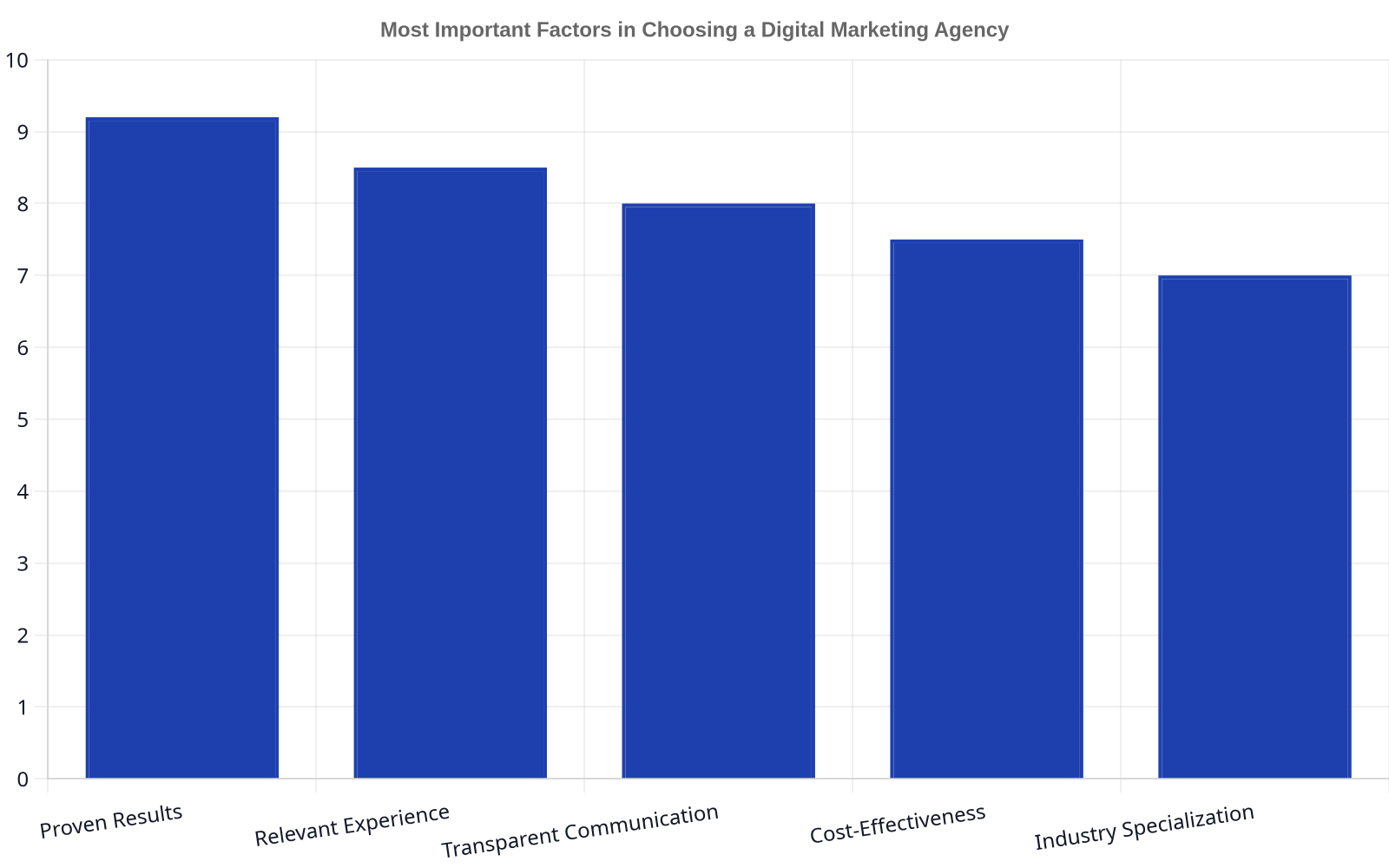
Once your goals are set, you can begin evaluating potential partners. Look past the slick presentations and focus on tangible proof. A slick website means they have a good designer; it doesn’t mean they can grow your business. The first filter should always be industry and business model experience. If you are a B2B SaaS company, an agency that primarily works with local restaurants is not a good fit, even if they are brilliant at what they do.
Next, dissect their case studies. Don’t just read the headlines. Look for the methodology. What was the baseline? What specific actions did the agency take? What were the quantifiable results over what time period? A good case study reads like a science experiment. A bad one is a collection of vanity metrics. According to a Wyzowl survey, 79% of people have been convinced to buy software or an app by watching a video, which underscores the power of clear, compelling proof. Case studies are the B2B equivalent. If an agency can’t show you their work, they have no work to show.
- Best for: Businesses that need predictable, measurable growth and have clearly defined unit economics.
- Watch out for: Agencies that talk exclusively about their “process” without showing results. A great process is silent; the results are loud.
Understanding Agency Pricing Models
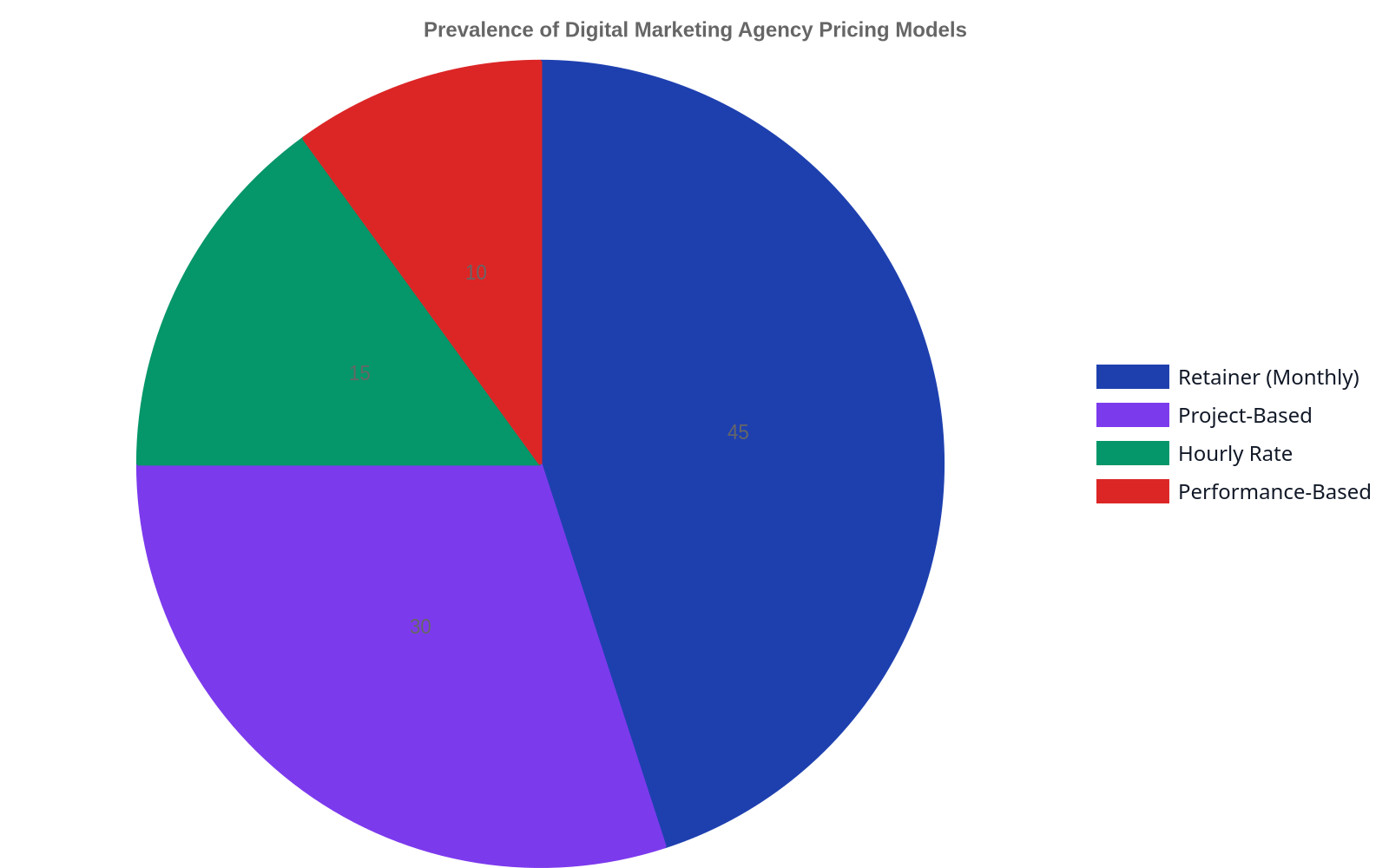
Agency pricing isn’t standardized, which can be confusing. It typically falls into three main categories: retainers, project-based fees, and performance-based models. Understanding these is crucial for budgeting and aligning incentives. A recent WordStream analysis of agency pricing found that the most common model is a monthly retainer, but many agencies use a hybrid approach.
- Monthly Retainer: You pay a fixed fee each month for an agreed-upon scope of work. This is best for ongoing efforts like SEO and content marketing. It provides predictable costs but requires clear communication to ensure value is being delivered.
- Project-Based: A fixed price for a specific, one-time project like a website redesign or a new brand identity. This is clean and simple, but it doesn’t work for long-term marketing programs.
- Performance-Based: The agency’s fee is tied directly to results, such as a percentage of ad spend, a cost per lead, or a share of revenue generated. This model offers perfect alignment but can be complex to structure and track. It’s also rare to find an agency willing to go 100% performance-based without a significant retainer component.
An agency that is hesitant to discuss performance-based components might lack confidence in its ability to deliver. The best partners want skin in the game.
Your job is to match the pricing model to your goals and comfort level. For a startup, a hybrid model combining a modest retainer with performance incentives for hitting MQL targets can be a powerful way to ensure everyone is pulling in the same direction.
The Non-Negotiables: Communication and Culture Fit
This is the part everyone underestimates. You can hire the most decorated agency in the world, but if you can’t communicate with them, the partnership will fail. How do they report results? Do you get a dedicated point of contact? What is their meeting cadence? These aren’t minor details; they are the entire foundation of the relationship. A study on agency relationships published by Statista revealed that 23% of agency-client relationships last less than two years, often due to misaligned expectations and poor communication.
Culture fit is equally important. Are they a “move fast and break things” crew or a “measure twice, cut once” team? Neither is inherently better, but a mismatch with your own company culture will lead to constant friction. Do they see themselves as an external vendor or an extension of your team? During the pitch process, pay close attention to the questions they ask you. If they are only asking about budget, that’s a red flag. If they are asking deep questions about your business operations, customer feedback loop, and sales process, they are thinking like a partner.
Common Pitfalls to Avoid
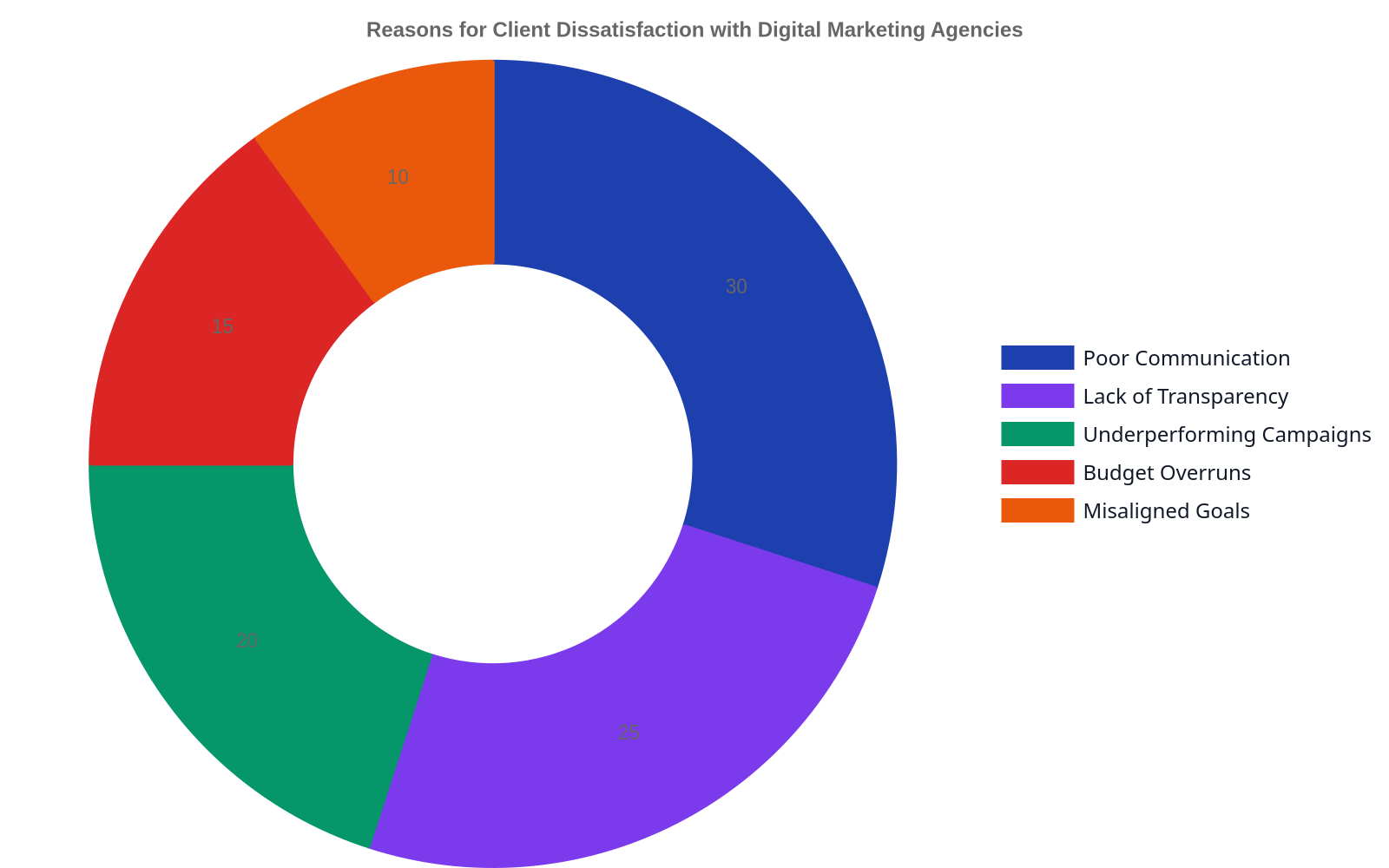
Selecting an agency is also about risk mitigation. There are several common traps that businesses fall into. The most frequent is the “shiny object” syndrome—choosing an agency because they are experts in the latest trend (AI-powered-everything, the newest social media platform) rather than focusing on the fundamentals. A mastery of technical SEO and sound keyword research will almost always drive more long-term value than a viral TikTok campaign.
Another major pitfall is failing to define the terms of engagement and exit in the contract. What happens if you are unhappy? What is the process for terminating the agreement? A standard contract includes a 30- or 60-day out clause. Ensure you understand the terms for data and asset ownership. You should own your Google Analytics account, your ad accounts, and any content created on your behalf. Finally, be realistic about timelines. SEO doesn’t produce results in a month. A comprehensive content strategy can take 6-12 months to show significant traction. Don’t hire an agency expecting overnight success; hire them to build a sustainable growth engine.
The purpose of a contract isn’t to plan for a perfect partnership. It’s to create a clear, fair process for when things go wrong. Don’t skim the termination clause.
Questions to Ask & The Proposal Review
When you’ve narrowed your list down to 2-3 agencies, it’s time for the final deep dive. Get on a call and treat it like a job interview for a key executive. Here are some essential questions to ask:
- Who will be my day-to-day point of contact, and what is their experience level? You want to know who is actually doing the work, not just the senior person who shows up for the sales pitch.
- Can you walk me through a similar project? What were the challenges, and how did you overcome them? This probes for real-world problem-solving skills.
- How do you measure and report on success? Can I see a sample report? This reveals their commitment to transparency and data-driven decision-making.
- What do you need from my team to be successful? This shows they understand that marketing is a collaborative effort, not something you can just outsource and forget.
When you receive their proposal, don’t just look at the price. A good proposal is a strategic document. It should start by restating your goals in their own words, showing they were listening. It should outline a clear, phased plan with milestones. It should detail exactly what is included in the scope and, just as importantly, what is not. A proposal that is just a list of services and a price is a sign of a tactical vendor, not a strategic partner.
Agency Selection Scoring Matrix
Use this simple table to score your finalists. Rate each agency from 1 (poor) to 5 (excellent) on each criterion. The highest score isn’t automatically the winner, but this process forces a structured comparison.
| Criterion | Agency A Score | Agency B Score | Agency C Score | Notes |
|---|---|---|---|---|
| Industry/Model Experience | Do they know our world? | |||
| Case Study Quality | Are results specific and relevant? | |||
| Strategic Depth of Proposal | Is it a plan or a price list? | |||
| Team & Communication Plan | Is there a clear contact and cadence? | |||
| Culture & Partner Mindset | Did they ask insightful questions? | |||
| Pricing Model Alignment | Does it fit our goals and budget? | |||
| Total Score |
Ready to find a partner who will build your growth engine, not just manage your ad spend? At Dynareach, we specialize in creating comprehensive SEO and web platforms that deliver measurable results. Book a call with us to see if we’re the right fit for your business.
Further reading
- How to Choose a Digital Marketing Agency: A Complete …
- How to Choose the Right Digital Marketing Agency
- How to Choose the Right Digital Marketing Agency
- How To Choose the Right Digital Marketing Agency in 2026
- Choosing a Digital Marketing Agency in 2025: Your Guide
FAQ
What is the difference between an agency, an in-house team, and freelancers?
An agency provides a full team of specialists (SEO, PPC, content, design) under one roof, offering broad expertise. An in-house team offers deep company-specific knowledge and alignment but comes with higher fixed costs and a narrower skillset. Freelancers are best for specific, well-defined tasks but require more management and may lack strategic oversight.
How much should I expect to pay for a digital marketing agency?
Costs vary dramatically based on scope and agency reputation. A small business might pay $2,000 – $5,000 per month for a focused retainer (e.g., local SEO). A mid-sized company with comprehensive needs could spend $10,000 – $25,000+ per month. Always focus on the potential ROI, not just the cost.
How long does it take to see results from a digital marketing agency?
This depends on the channels used. PPC advertising can generate traffic and leads within days. Content marketing and SEO are long-term investments; it typically takes 6-12 months to see significant, compounding returns on organic traffic and authority.
What are the biggest red flags when choosing an agency?
Major red flags include guaranteeing #1 rankings on Google, a lack of detailed case studies, an unwillingness to let you speak with current clients, high-pressure sales tactics, and proposals that are vague on deliverables and reporting.
What metrics should I focus on when working with an agency?
Focus on business metrics, not vanity metrics. Instead of just “website traffic” or “likes,” measure Customer Acquisition Cost (CAC), Return on Ad Spend (ROAS), lead-to-customer conversion rate, and revenue generated by marketing channel. Tie your agency’s performance to the same numbers you use to run your business.
Should I choose a specialized agency or a generalist agency?
If your primary need is highly specific and technical—like advanced technical SEO for a complex e-commerce site—a specialist agency is often better. If you need a comprehensive, multi-channel strategy, a full-service or generalist agency that can coordinate efforts across disciplines is often more effective and efficient.
What is my role as the client in an agency partnership?
Your role is crucial. You need to provide clear goals, timely feedback, and access to internal data and subject matter experts. The most successful agency relationships are true partnerships that involve active collaboration from the client side. The agency brings marketing expertise, but you bring the business and customer expertise.