
Stop asking “how much does a car cost?” and start asking “what kind of car do I need?” The same logic applies to website development cost. In 2026, a basic “brochure” website might cost between $3,000 and $10,000, while a custom e-commerce site could run from $25,000 to $100,000+, and complex SaaS platforms start in the six figures. The final website development cost depends entirely on the features, complexity, and level of customization required to achieve your specific business goals. Price is a function of scope, not a fixed menu item.
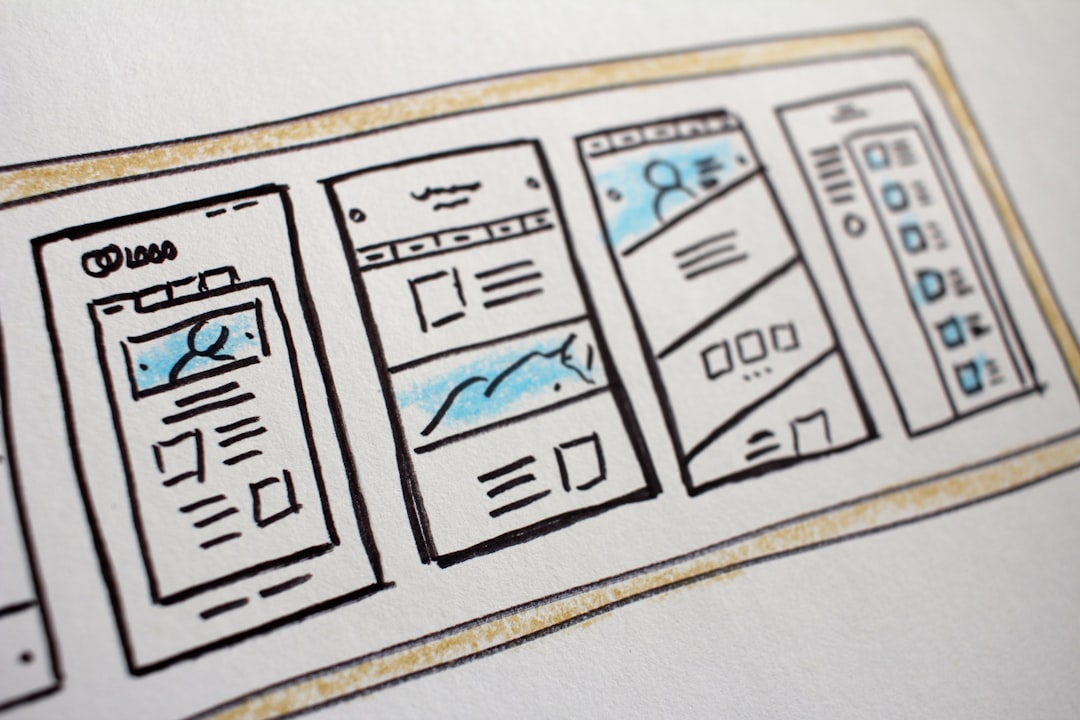
Website Development Cost Breakdown
To understand the total investment, you have to break it down. Here’s a look at the typical line items in a website development proposal. The ranges are wide because a “design” for a five-page site is a different universe from a 500-product e-commerce platform.
| Feature/Service | Typical Cost Range (2026 USD) | What Pushes the Cost Higher? |
|---|---|---|
| UI/UX Design | $2,000 – $15,000+ | Multiple design revisions, complex user journey mapping, animated prototypes. |
| Front-End Development | $3,000 – $25,000+ | Complex animations, custom JavaScript, integrations with many third-party APIs. |
| Back-End Development | $5,000 – $50,000+ | Custom database architecture, user authentication, third-party integrations (e.g., ERP, CRM), building a custom CMS. |
| Content Management System (CMS) | $0 – $20,000+ | Open-source (WordPress) is free, but a custom-built or high-end headless CMS (like Contentful) has licensing and development costs. |
| E-commerce Functionality | $5,000 – $40,000+ | Custom checkout flows, subscription models, complex product configurations, ERP integration. |
| SEO & Content Strategy | $2,000 – $10,000+ (Initial) | In-depth keyword research, content architecture planning, creating dozens of pages of optimized copy. |
| Quality Assurance (QA) | $1,500 – $10,000+ | Testing across numerous devices and browsers, automated testing scripts, security vulnerability scans. |
What Moves the Price? The 4 Key Drivers
Four main factors determine whether your project lands at the low or high end of those ranges.
1. Scope & Complexity
This is the single biggest driver. A simple, static 5-page informational website is straightforward. A custom SaaS platform with multi-tenant architecture, user roles, and a payment processing system is a massive undertaking. We build both, and the difference isn’t just a few extra pages; it’s a fundamental difference in architecture, security, and scalability planning. The more “custom” features you need (e.g., a unique quoting tool, a customer portal), the more development hours are required.
2. Technology Stack
Building a site on a template from a platform like Squarespace or Wix is the cheapest route, but it’s also the most creatively and technically limiting. A site using a popular CMS like WordPress offers more flexibility at a moderate cost. A headless architecture using a framework like React or Vue.js for the front end and a custom back end provides maximum performance and scalability but requires specialized, and more expensive, development talent. Technologies like React are used by over 40% of professional developers, indicating a large but competitive talent pool.
A website project isn’t just about the final product you see. It’s about building a foundation that can either support your growth for the next five years or require a complete, expensive rebuild in 18 months.
3. Design & User Experience (UX)
Do you need a unique, branded design, or is a modified template acceptable? A custom design process involves wireframing, multiple mockups, prototyping, and a dedicated UX designer to map user journeys. This investment pays dividends in conversion rates and user satisfaction but adds significant upfront cost compared to picking a pre-made theme. That a well-designed UX can yield conversion rates up to 400% higher.

4. Agency vs. Freelancer
An experienced freelancer can be a cost-effective option for smaller, well-defined projects, with typical rates ranging from $75 to $150 per hour. An agency, charging anywhere from $150 to $300+ per hour, brings a project manager, a team of specialized developers, designers, and strategists. For complex projects like e-commerce stores or SaaS platforms, the collaborative agency model reduces risk and typically results in a more polished, scalable product. At Dynareach, our focus on integrated services means we handle development, SEO, and branding under one roof, preventing the communication gaps that can plague multi-vendor projects.
Costs Everyone Forgets
The initial development quote is just the beginning. Budget for these easily overlooked expenses.
- Hosting: From $10/month for shared hosting to $300+/month for dedicated or cloud hosting on platforms like AWS or Google Cloud.
- Domain Name: $10 – $20 per year from registrars like GoDaddy or Namecheap.
- SSL Certificate: Often included with hosting, but custom or advanced certificates can cost $50 – $300 per year.
- Maintenance & Support: Plan for 15-20% of your initial project cost annually. This covers security updates, bug fixes, backups, and minor tweaks. Skipping this is how sites get hacked.
- Plugin/Software Licenses: Premium WordPress plugins, API access fees, or SaaS tool subscriptions (e.g., for email marketing, analytics) can add up to hundreds or thousands per year. W3Techs data shows that over 43% of all websites use WordPress, making its plugin ecosystem a common source of these costs.
- Content Creation: Who is writing the copy, shooting the photos, and producing the videos? Professional content is a separate, and critical, budget item.
Sample Budgets: What You Get for Your Money
To make this concrete, here are three common scenarios.
Scenario 1: The Startup Brochure Site
- Goal: A professional online presence to establish credibility and generate leads.
- Scope: 5-10 pages, contact form, blog, responsive design.
- Tech: WordPress with a premium theme.
- Estimated Cost: $5,000 – $12,000
Scenario 2: The Small Business E-commerce Store
- Goal: Sell products online with a secure, easy-to-use platform.
- Scope: 50-100 products, payment gateway integration (Stripe, PayPal), user accounts, basic inventory management.
- Tech: Shopify or WooCommerce (a WordPress plugin).
- Estimated Cost: $15,000 – $40,000
Scenario 3: The Custom Web Application
- Goal: Launch a unique service or tool for a specific market.
- Scope: Custom user dashboard, database, third-party API integrations, admin panel, subscription billing.
- Tech: Custom stack (e.g., React front end, Node.js/Python back end, PostgreSQL database).
- Estimated Cost: $75,000 – $250,000+
Don’t choose your developer based on the lowest bid. Choose them based on their understanding of your business goals. A cheap website that doesn’t convert is infinitely more expensive than a pricier one that drives sales.
Where You Can Cut Costs (Without Regretting It Later)
Trying to build a $100,000 platform on a $10,000 budget is a recipe for failure. But you can be strategic.
- Launch with an MVP (Minimum Viable Product): Instead of building every conceivable feature, launch with the core functionality that provides value to your earliest users. Gather feedback, then iterate. This is standard practice for the SaaS platforms we build and is a smart approach for any complex site.
- Use a Phased Approach: Start with a well-designed brochure site (Phase 1). Add e-commerce capabilities six months later (Phase 2). This spreads the cost out and allows you to generate revenue sooner.
- Leverage Existing Tech: For most businesses, a customized WordPress or Shopify site is more than sufficient. A fully custom build is powerful but often overkill. A report from BuiltWith shows Shopify powers a massive segment of e-commerce, proving its capability for many businesses.
Ultimately, a website is not a one-time purchase; it’s a core business asset. Investing in a solid foundation from a team that understands your growth strategy is the most effective way to manage your website development cost over the long term.

FAQ
How much does it cost to build a website for a small business in 2026?
Costs and outcomes vary widely by scope. Ask providers for figures specific to your situation.
What are the ongoing costs of a website per year?
This covers hosting, security updates, software licenses, and minor support.
Is it cheaper to use a website builder like Wix or Squarespace?
Yes, using a DIY website builder is significantly cheaper for the initial setup, often just a few hundred dollars. However, you trade cost savings for major limitations in customization, scalability, and SEO capabilities. They are suitable for personal sites or very simple businesses, but most growing companies find they outgrow them quickly.
How long does it take to build a website?
A basic brochure website can take 4-8 weeks. A more complex site with e-commerce functionality can take 3-6 months. Custom web applications and SaaS platforms often require 6-12 months or longer, as the development process is far more involved.
Why do some agencies charge so much more than others?
The price reflects the agency’s experience, process, and team structure. A higher-cost agency typically includes senior strategists, dedicated project managers, specialized UX/UI designers, and senior developers. You are paying for a more strategic, lower-risk process that results in a more reliable and effective business asset. At Dynareach, we provide a full suite of services, from initial branding and SEO strategy to complex web and software development, ensuring a cohesive and scalable final product.