
Most small businesses don’t have a marketing problem; they have a priority problem. They chase social media trends, pour money into ads, and wonder why nothing sticks. To understand the essential marketing services that truly drive growth, check out our ROI analysis. For SaaS businesses, specifically, discover how saas marketing services build predictable revenue engines. These pillars build an asset that generates long-term value and makes every other marketing effort more effective. Without this core, you are simply renting attention from platforms that control your access to your audience, building your future on someone else’s land.
This isn’t a list of every marketing tactic available. It’s a hierarchy of needs. We’ve ranked these services based on one criterion: which ones create permanent, compounding value for your business. We’re prioritizing the assets you own over the channels you rent. The goal is to build a system that generates leads and sales predictably, not just a campaign that provides a temporary spike.
1. A High-Performance Website
A cheap, template-based website is a liability, not an asset. Your website is your digital headquarters, and it’s often the first point of contact for potential customers. A professional, custom-built site establishes credibility before you ever speak to a client. Stanford research found that 75% of users judge a company’s credibility based on its website design. If your site looks unprofessional or is difficult to use, you are actively turning away three-quarters of your prospects.
A high-performance website is more than just a digital brochure. It’s a tool engineered for conversion. This means fast load times (a non-negotiable for mobile users), a clear user journey that guides visitors to take action, and a structure built on one of the key website development business archetypes that aligns with your specific goals, whether you’re a SaaS platform or a local service provider.
- Best for: Any business that is serious about being found and taken seriously online. It is the non-negotiable first step.
- Watch out for: Cheap builders that rely on bloated, insecure templates. The initial savings are erased by lost conversions, security vulnerabilities, and the eventual need for a complete rebuild.
2. Foundational Search Engine Optimization (SEO)
A website without Search Engine Optimization is a billboard in the desert. Foundational SEO ensures that when a potential customer searches on Google for a problem you solve, your business shows up as a solution. This isn’t about “tricks” or “hacks.” It’s the meticulous work of structuring your website, content, and online presence in a way that search engines can understand and trust. This involves deep keyword research to understand what your customers are actually typing into the search bar, on-page optimization to align your content with those queries, and technical SEO to ensure your site is fast, secure, and crawlable.
Organic search traffic is the highest-intent traffic you can get. These aren’t people you interrupted with an ad; they are people actively seeking an answer or a provider. The first organic result on Google has an average click-through rate of 27.6% according to FirstPageSage. Showing up in the top three results for your core services is the digital equivalent of having a retail store on the busiest street in town. This is why we focus on helping clients build authority for the long term, moving beyond just keywords as we’ve seen in the shift for SEO for startups in 2026.
A website without SEO is like a shop with no sign. It might be a great business, but no one will ever find it.
- Best for: Businesses that want to build a predictable, long-term pipeline of high-intent leads without paying for every single click.
- Watch out for: Agencies that promise “#1 rankings” overnight. Real SEO is a long-term strategy that involves building genuine authority and trust with both users and search engines. Black-hat tactics can get you penalized or de-indexed entirely.
3. A Cohesive Brand Identity
Your brand is not your logo. Your brand is the gut feeling people have about your business. A cohesive Branding & Identity service ensures that every touchpoint—from your website and business cards to your social media profiles and invoices—communicates a consistent message and personality. This is about creating a visual and verbal system that is instantly recognizable and builds trust through professionalism.
As we’ve seen with clients like Jaora, a cohesive brand makes a tangible difference. They came to us for a website and SEO, but the branding work we did first was the foundation. It created a professional image that made customers take them more seriously, leading to more and better inquiries. According to a report from Marq (formerly Lucidpress), consistent brand presentation across all platforms can increase revenue by up to 23%. It’s not just about looking good; it’s about building the equity that makes you the default choice in your category.
- Best for: All businesses, but especially those in competitive markets where differentiation is key to survival and growth.
- Watch out for: Focusing only on a logo. A logo is just one piece. A full brand identity includes color palettes, typography, voice and tone guidelines, and more, which are essential for maintaining consistency as you grow.
4. Strategic Content Marketing
Once your foundation (website, SEO, branding) is in place, strategic content marketing becomes your engine for growth. This is the practice of creating and distributing valuable, relevant articles, guides, videos, or other media to attract and retain a clearly defined audience. It’s the answer to your customers’ most pressing questions. It’s how you prove your expertise and build trust before they ever consider buying.
Content marketing is not about pumping out generic blog posts. It’s about understanding the customer journey and creating content that serves them at each stage. An awareness-stage article might explain a problem, while a consideration-stage guide might compare solutions. Many B2B marketers say content marketing has become more important to their organization. It’s the most effective way to demonstrate authority and become a trusted resource rather than just another vendor.
- Best for: Businesses with a longer sales cycle or those selling complex products/services where customer education is a prerequisite for a sale.
- Watch out for: Creating content for the sake of it. Every piece of content must have a purpose and a promotion plan. Without a strategy tied to business goals, you’re just creating noise.
5. An Owned Email List
Social media platforms can (and do) change their algorithms overnight, gutting your reach. Your Google rankings can fluctuate. The one channel you truly own is your email list. Building an email list is a critical marketing service for any small business because it gives you a direct, unfiltered line of communication to your most engaged prospects and customers.
Your social media following is a rented audience. Your email list is an asset.
The ROI on email marketing is consistently the highest of any digital marketing channel. The latestshows that for every $1 spent on email marketing, brands see an average return of $36. You can use your website and content marketing to offer valuable lead magnets—like checklists, ebooks, or webinars—in exchange for an email address. From there, you can nurture that relationship over time, providing value until the prospect is ready to buy.
- Best for: Every single business. There is no business that would not benefit from a direct line to its audience.
- Watch out for: Buying email lists or spamming subscribers. An email list is a permission-based asset. Breaking that trust with irrelevant or unwanted content is the fastest way to destroy its value.
Types of Marketing Services Small Businesses Need
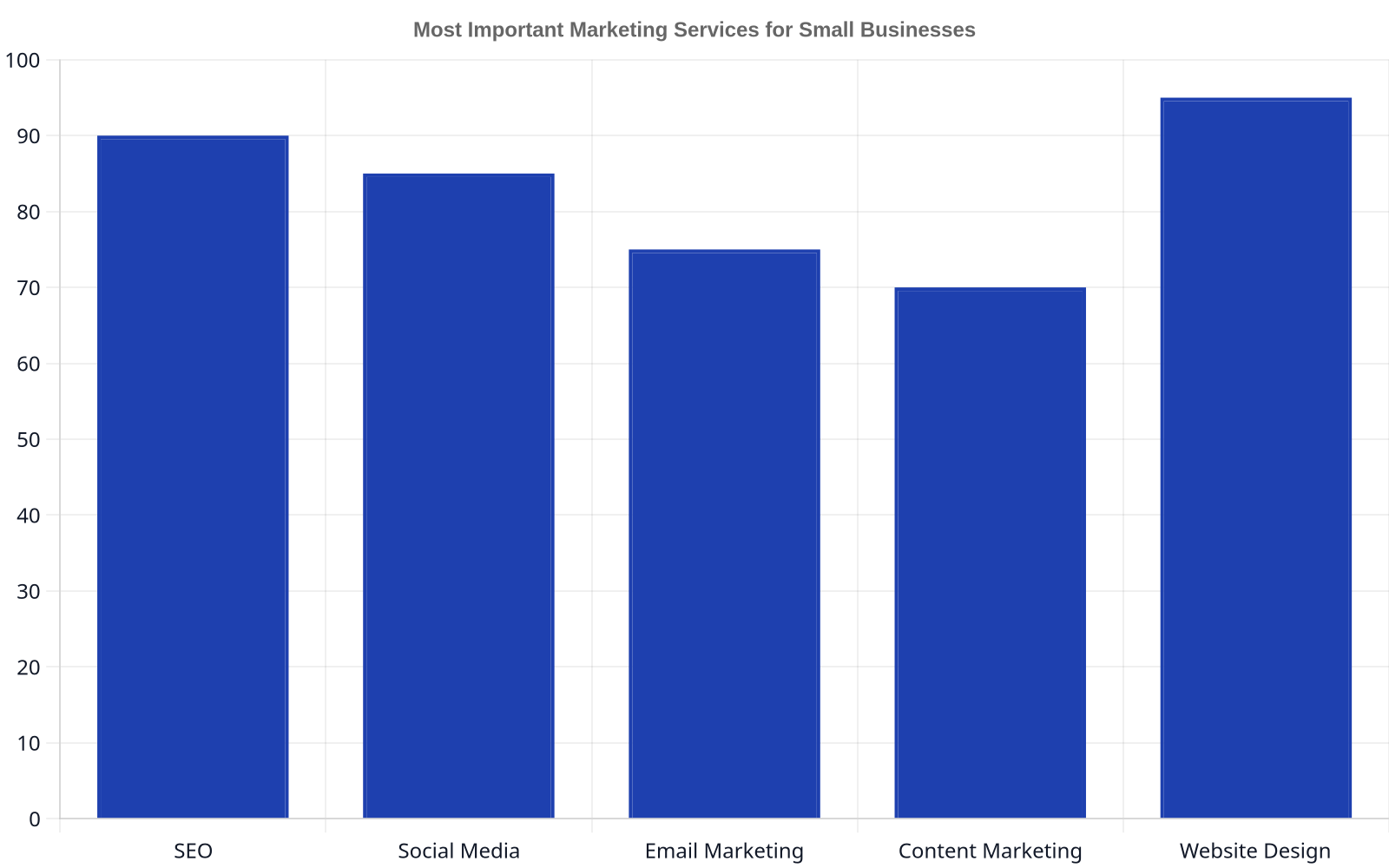
To give you a clearer picture, here’s how these essential services stack up against each other in terms of their primary function and long-term impact.
| Service | Primary Goal | Time to Impact | Asset Type |
|---|---|---|---|
| Website | Credibility & Conversion | Immediate | Owned |
| SEO | Lead Generation | 6-12 Months | Owned |
| Branding | Differentiation & Trust | Immediate | Owned |
| Content Marketing | Authority & Nurturing | 3-6 Months | Owned |
| Email List | Retention & Sales | 1-3 Months | Owned |
How to Choose the Right Marketing Services Provider
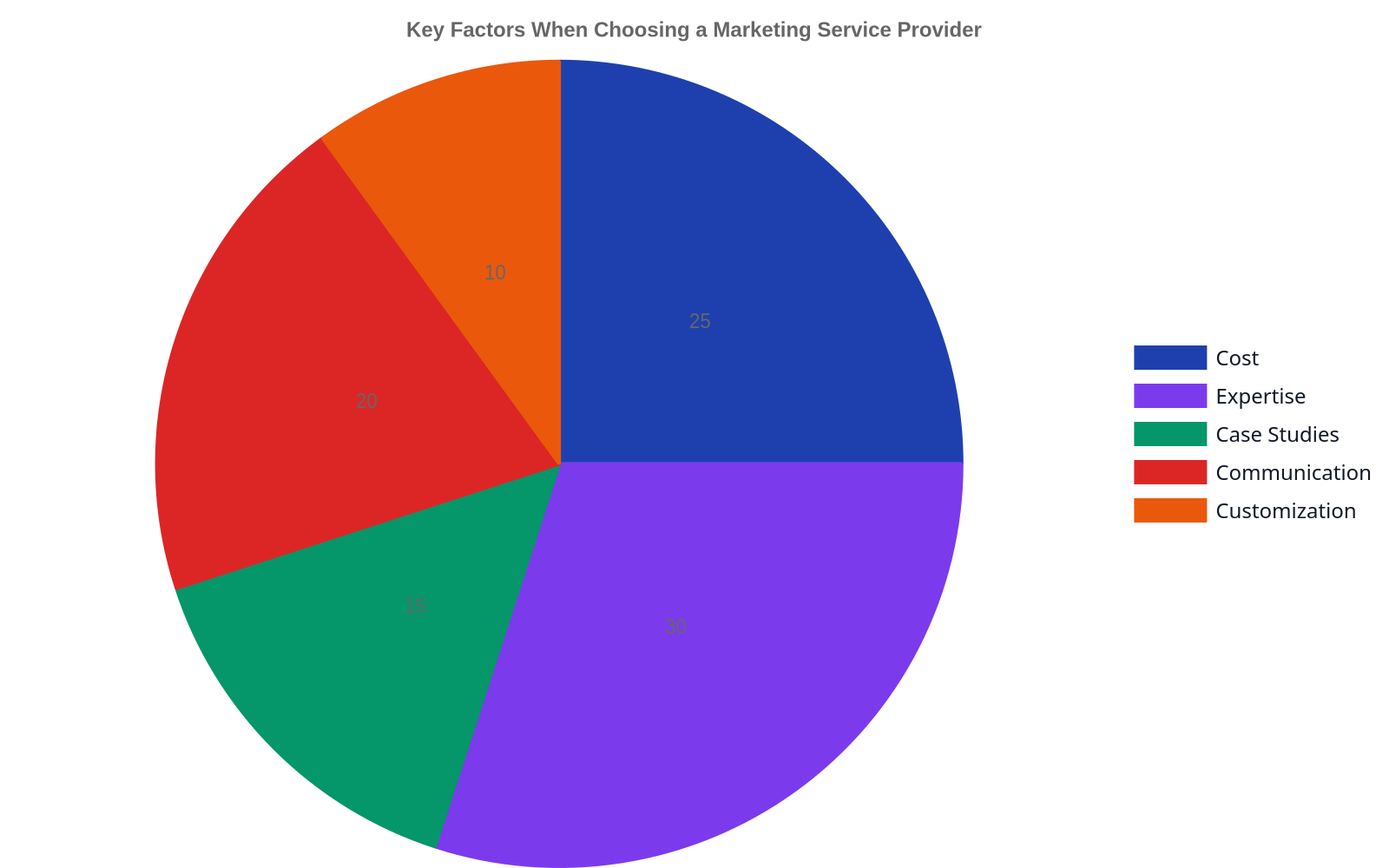
Selecting a partner to handle these critical functions is a major business decision. Look for an agency that prioritizes strategy over tactics. They should ask about your business goals before they talk about their services. A good partner will be transparent about their process, provide case studies of similar businesses they’ve helped, and set realistic expectations. They should be focused on building your owned assets, not just managing your ad spend. Finally, ensure they have deep expertise in the foundational areas, particularly the technical side of web development and SEO, as these are the hardest to get right and the most damaging when done wrong.
Measuring ROI and Success of Marketing Services
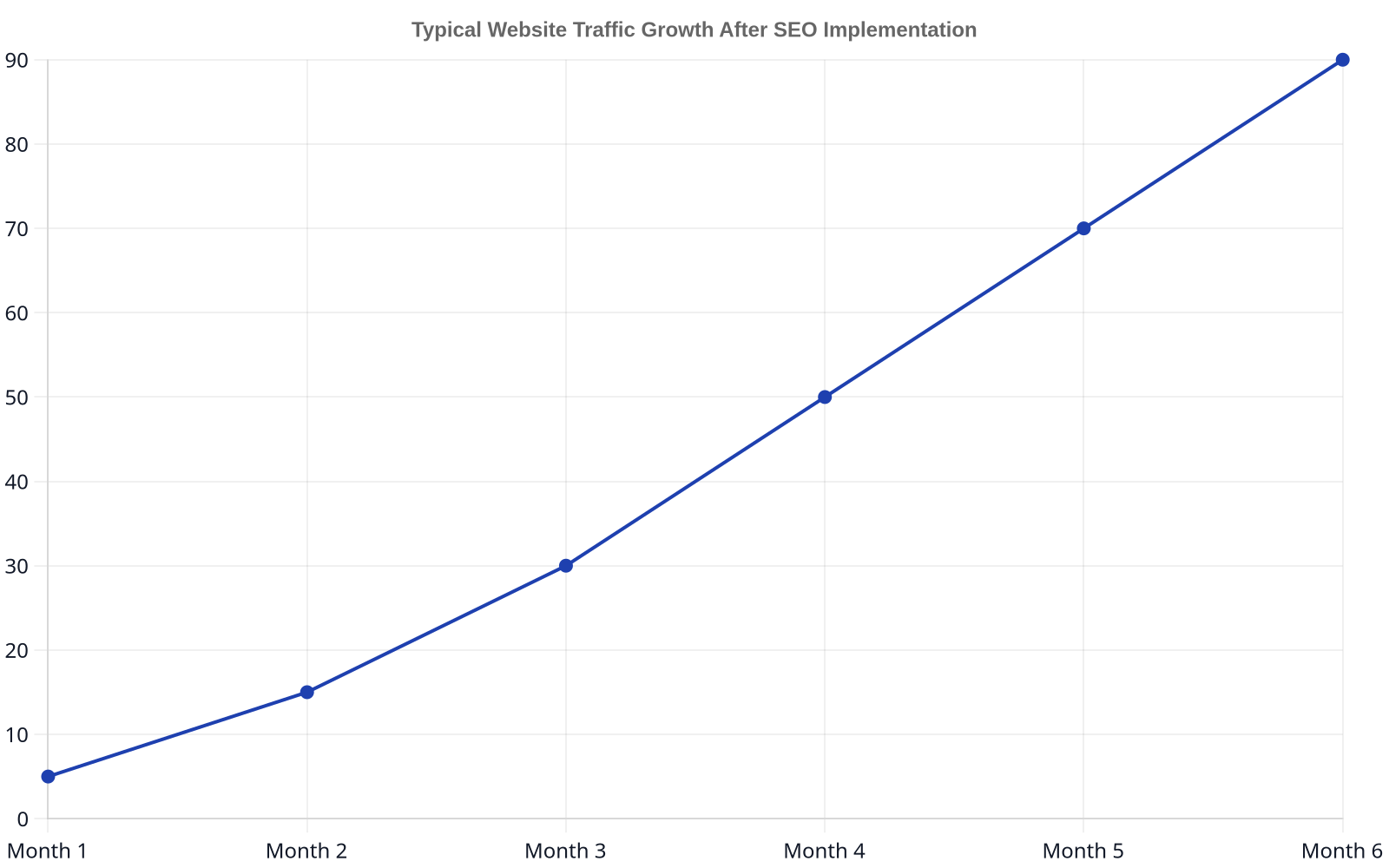
Measuring the success of your marketing efforts requires looking beyond vanity metrics like social media likes or even raw traffic numbers. The key is to tie everything back to business objectives. For website performance, track conversion rates on key goals like form fills or demo requests. For SEO, monitor the growth in organic traffic and, more importantly, the number of qualified leads generated from that traffic. For content, look at metrics like time on page, newsletter sign-ups attributed to specific articles, and how many leads engaged with a piece of content before converting. True success is measured in customers and revenue, not just clicks.
Frequently Asked Questions
How much should a small business spend on marketing?
The key is to invest in foundational assets first (website, SEO, branding) before allocating a large budget to advertising.
Which marketing service should I invest in first?
A high-performance website is the absolute first investment. It’s the hub for all other marketing activities. Without a credible, functional website, any money spent on driving traffic through SEO, content, or ads is largely wasted.
How long does it take for SEO to work?
While you can see minor traction in 3-6 months, expect it to take 6-12 months to see significant results from a new SEO strategy. SEO is about building authority and trust, which takes time. Be wary of anyone promising instant results, as they are likely using tactics that will get your site penalized in the long run.
Can I do my own marketing for my small business?
You can, but it comes at the cost of your time. Many business owners can handle basic social media or email updates. However, technical aspects like website development and SEO require specialized expertise. A common mistake is undervaluing the time it takes to learn and execute these properly, which is time that could be spent running the business.
What is the difference between marketing, advertising, and branding?
Branding is who you are—your identity, personality, and values. Marketing is the entire strategy of how you communicate who you are to attract and retain customers (this includes things like SEO and content). Advertising is a specific component of marketing; it is the paid promotion of your message to a target audience.
Ready to stop wasting money and start building a marketing foundation that lasts? We build the websites, branding, and SEO strategies that help businesses grow. Book a call with Dynareach to discuss your project.