
How many times have you heard that a cheap website template is “good enough for now”? It’s a tempting idea, like buying a suit off the rack. It might fit okay, but it was never made for you. To truly stand out and operate efficiently, you need a bespoke solution. When you hire a custom website development company, you aren’t just buying a prettier design; you’re investing in a strategic asset engineered for your specific business processes, user journeys, and growth trajectory. This is the difference between a digital brochure and a high-performance engine for your business.
Why Off-the-Shelf Solutions Fall Short
Many businesses start with template-based platforms like Shopify, Wix, or Squarespace. They offer a low barrier to entry and get a site online quickly. For a local coffee shop or a solo consultant, this can be a perfectly reasonable starting point. However, as a business scales, these platforms reveal their limitations.
The Hidden Costs of “Easy”
Template sites often come with a labyrinth of plugins and apps to add functionality. Need advanced booking? That’s a plugin. Complex shipping rules? Another plugin. Each addition introduces potential security vulnerabilities, slows down your site, and creates a tangled mess of dependencies. A 2023 report from Patchstack found that plugin vulnerabilities accounted for a staggering 99.88% of reported WordPress issues. When one plugin breaks after an update, it can take your entire site down with it, leading to lost revenue and frantic calls to a developer who didn’t build the initial system.
The Scalability Ceiling
Off-the-shelf platforms are built for the masses, not for your unique operational needs. Imagine your business model relies on a specific type of subscription logic or a multi-vendor marketplace functionality. Trying to force a generic e-commerce template to handle this is like trying to fit a square peg in a round hole. You’ll spend countless hours on workarounds and compromises. A custom-built site, on the other hand, is designed from the ground up to support your exact business model. As we have seen with clients who come to us for Web & Software Development, they often need to migrate from a template because it couldn’t handle their growth in transaction volume or user complexity.
Lack of True Brand Differentiation
Your website is the center of your digital brand identity. While you can change colors and logos on a template, you’re still working within a rigid framework used by thousands of other businesses. This makes it incredibly difficult to create a truly memorable user experience. Custom development allows you to design a unique user interface (UI) and user experience (UX) that reflects your brand’s personality and guides users intuitively. Research, a well-designed UX can raise conversion rates by up to 400%. That level of optimization is nearly impossible to achieve when you don’t control the underlying code.
The Benefits of Custom Development vs. Templates
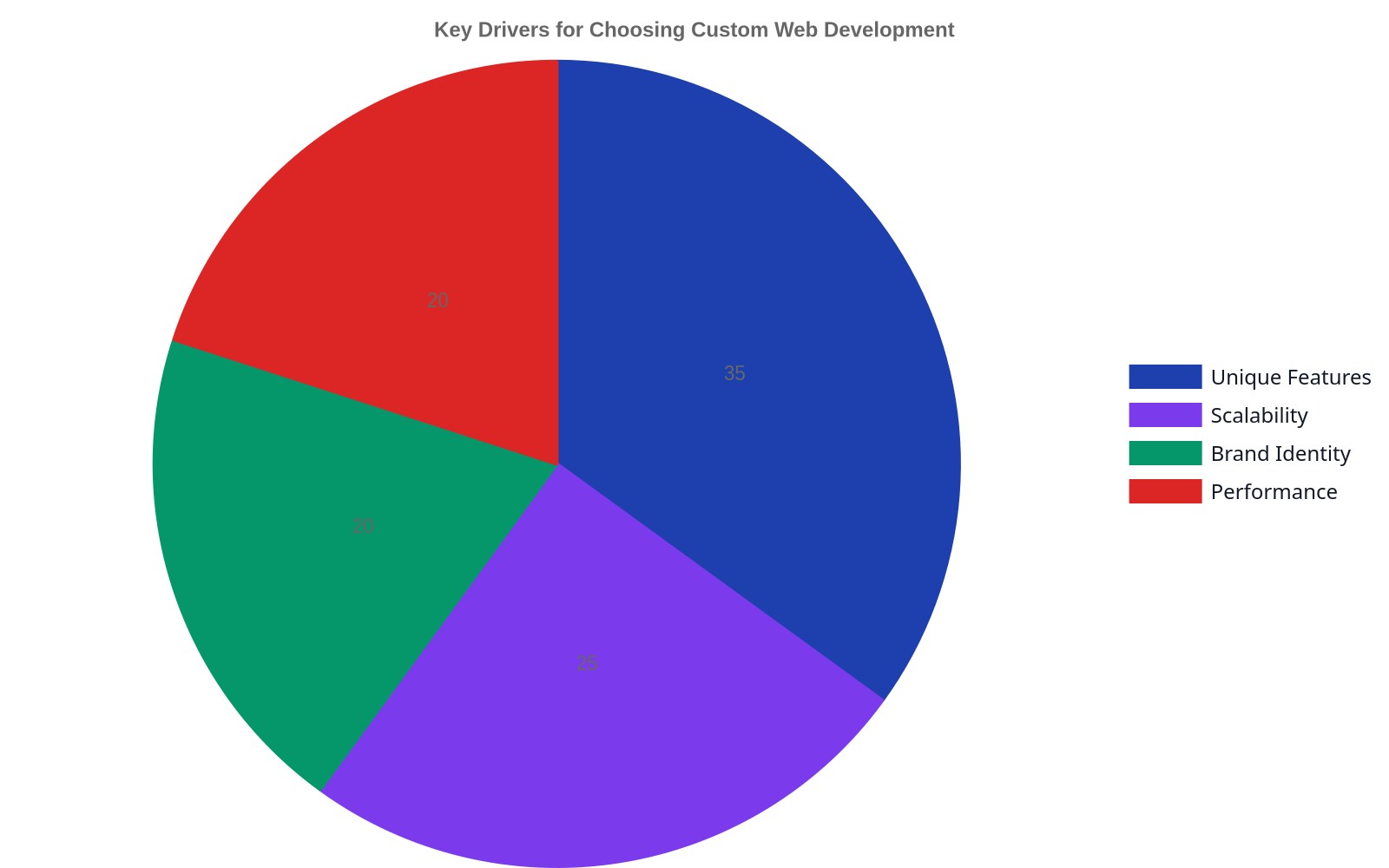
Choosing custom development isn’t about vanity; it’s a strategic decision with measurable ROI. It’s for businesses that see their website not as an expense, but as a core component of their operations and growth strategy.
Engineered for Your Workflow
A custom website can integrate directly with your existing business software: your CRM, ERP, inventory management system, or marketing automation tools. This creates a frictionless flow of data, reduces manual data entry, and eliminates costly errors. For example, a custom e-commerce build can automatically sync orders with your warehouse, update inventory levels in real-time, and segment customers into your email platform based on purchase history. This level of automation is a competitive advantage that template sites can’t replicate.
Optimized for Performance and Security
Custom-built sites are leaner and faster. They are built with clean, efficient code and only include the features you actually need. There’s no bloated code from a multipurpose theme or a dozen third-party plugins slowing things down. This has a direct impact on user experience and SEO. Google’s own data shows that the probability of a user bouncing increases by 32% as page load time goes from 1 to 3 seconds. A custom development company builds with performance in mind from day one. Security is also superior, as the code isn’t open-source in the same way a popular WordPress plugin is, making it a less obvious target for mass-exploit attacks.
A Scalable and Future-Proof Asset
A custom website is an asset that grows with you. It’s built on a flexible foundation that can be expanded and adapted as your business evolves. Need to add a customer portal, a new product line, or a complex feature like a custom configurator? A good development partner can build and integrate these modules without having to re-architect the entire site. This long-term flexibility is invaluable. At Dynareach, we’ve built complex SaaS platforms from the ground up, and that same architectural foresight goes into every website we build, ensuring it can handle future demands.

Key Considerations When Choosing a Partner

Once you’ve decided to invest in a custom website, the most critical step is selecting the right development partner. This is a long-term relationship, not a one-off transaction. Here’s what to look for when you hire a custom website development company.
Technical Expertise and Specialization
Does the company have proven experience with the specific technology stack your project requires? A team that specializes in React and Node.js for building fast web applications might be a great fit for a SaaS project, while an agency with deep expertise in PHP and Laravel might be better for a content-heavy site with a complex backend. Look at their portfolio. Have they built sites of similar complexity and scale to what you need?
A portfolio filled with simple brochure sites is a red flag if you need to build a complex e-commerce platform. Look for evidence they’ve solved problems similar to yours.
Transparent Process and Communication
A professional development company will have a well-defined process for discovery, design, development, and deployment. They should be able to walk you through their project management methodology, whether it’s Agile, Scrum, or another framework. Ask how they handle communication. Will you have a dedicated project manager? How often will you have check-in meetings? Clear and consistent communication is the bedrock of a successful project. A lack of transparency here often predicts problems down the road.
Focus on Business Goals, Not Just Features
The best development partners are strategists, not just coders. They should start the conversation by asking about your business goals, target audience, and key performance indicators (KPIs). A good agency will challenge your assumptions and suggest solutions that align with your objectives, rather than just taking a list of features and building them. They should be as invested in your business success as you are.
The Custom Website Development Process

Understanding the phases of a custom web project helps you set realistic expectations and collaborate effectively with your chosen agency. While every company has its own flavor, the core process generally follows these stages.
- Discovery and Strategy: This is the most crucial phase. The development team works with you to understand your business, goals, audience, and technical requirements. This involves stakeholder interviews, competitor analysis, and user journey mapping. The output is a detailed project brief or scope of work document that serves as the blueprint for the project.
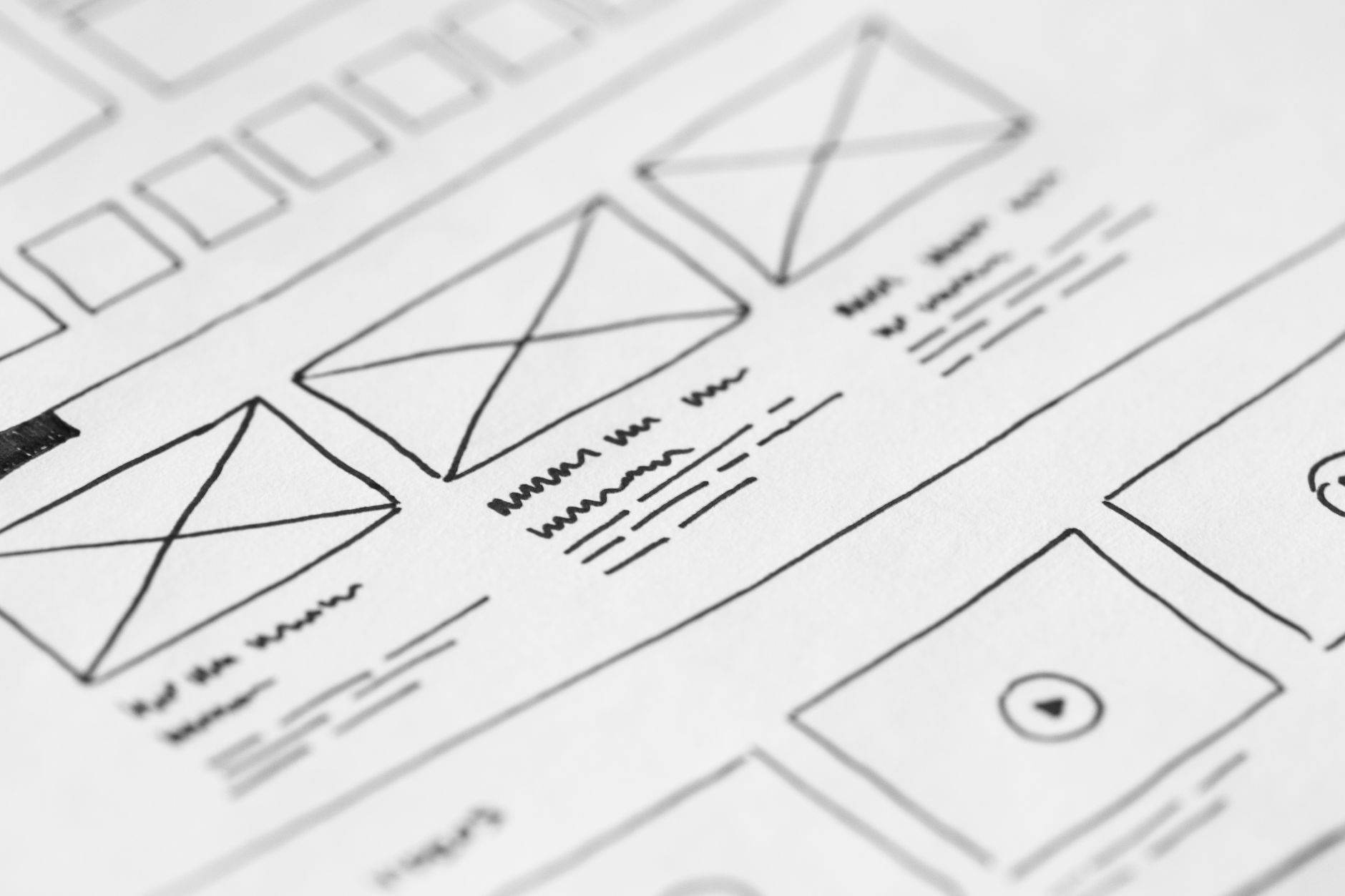
- UI/UX Design and Wireframing: Before a single line of code is written, the design team creates wireframes. Low-fidelity blueprints of the site’s structure. Once the structure is approved, they move on to high-fidelity mockups and prototypes that define the visual design (UI) and the user flow (UX). This is where the look, feel, and usability of your site come to life.
- Development: With the designs approved, the project moves into the development phase. Front-end developers use languages like HTML, CSS, and JavaScript (often with frameworks like React or Vue.js) to build the visual and interactive parts of the site. Back-end developers build the server-side logic, databases, and APIs that power the site’s functionality, using languages like PHP, Python, or Node.js.
- Testing and Quality Assurance (QA): Throughout the development process, a dedicated QA team tests the site rigorously. They check for bugs, browser compatibility issues, responsiveness on different devices, and performance bottlenecks. They ensure that everything works as specified in the project brief.
- Deployment: Once the site has passed QA, it’s time for launch. The development team deploys the site to a live server. This is a carefully managed process that includes final data migration, server configuration, and DNS updates.
- Post-Launch Support and Maintenance: The work isn’t over at launch. A good partner offers ongoing support and maintenance retainers. This covers bug fixes, security updates, performance monitoring, and small feature enhancements. Technology is always changing, and your website needs regular care to remain secure and effective.

Understanding Custom Website Development Costs
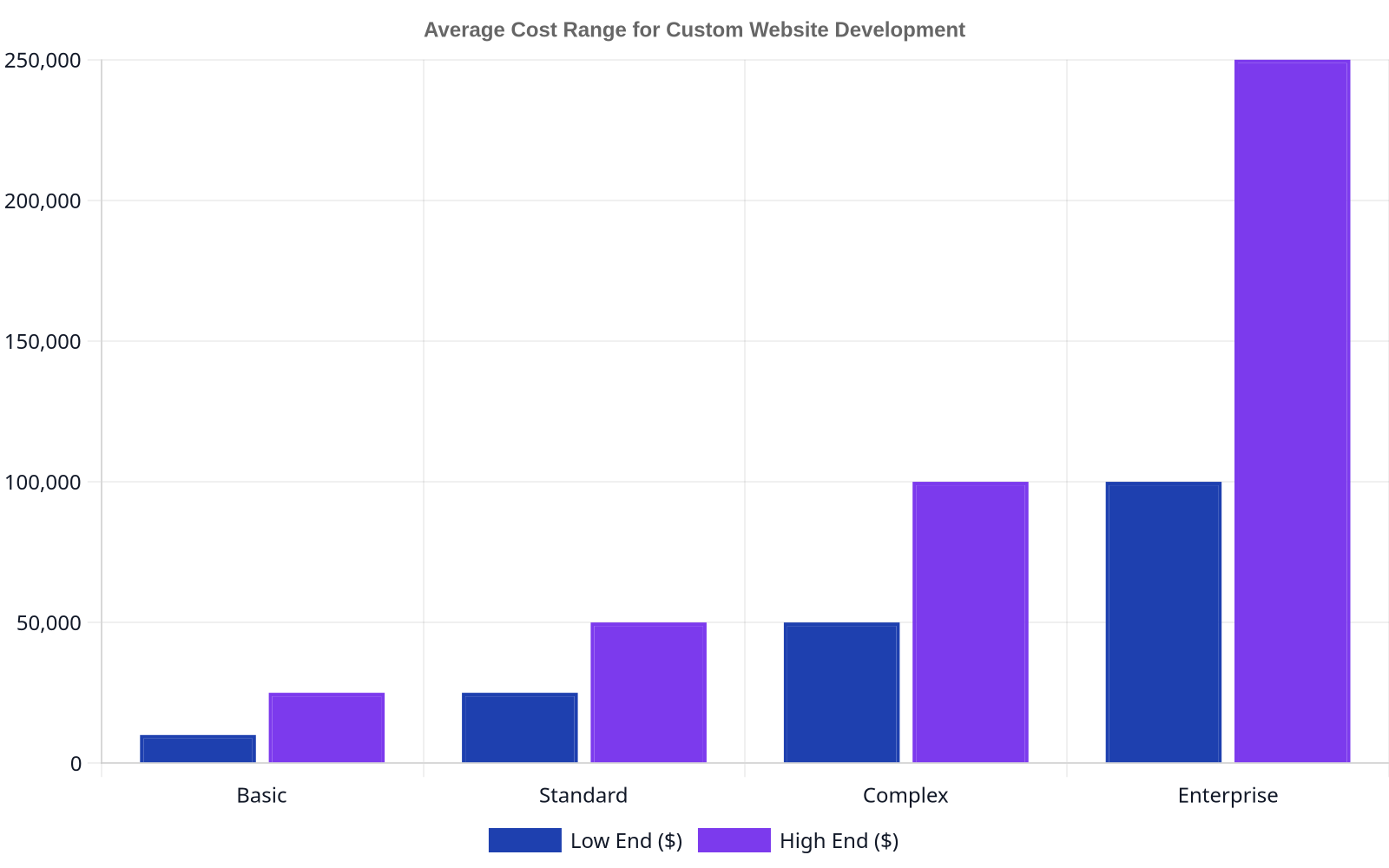
The question of cost is always front and center. Unlike template sites with their fixed monthly fees, custom web development is a service, and the cost is based on the time and expertise required to build your solution. It can range from $15,000 for a relatively simple custom informational site to well over $250,000 for complex e-commerce stores or SaaS applications.
What Drives the Cost?
Several key factors influence the final price tag:
- Complexity of Features: A simple 10-page marketing site is far less expensive than a platform with user accounts, payment processing, and third-party API integrations.
- UI/UX Design: The level of customization in the design process, including user research, prototyping, and animation, will affect the cost.
- Third-Party Integrations: Connecting your site to a CRM, ERP, or marketing automation platform requires specialized development work.
- Agency vs. Freelancer: Agencies typically charge more than freelancers, but they offer a team of specialists (designers, developers, project managers, QA analysts), greater reliability, and broader expertise.
Don’t just compare hourly rates. A more expensive, experienced team that works efficiently and strategically will often deliver a better ROI than a cheaper, less experienced one that takes longer and makes costly mistakes.
Understanding Different Engagement Models

When you hire a custom website development company, you’ll typically encounter one of three engagement models. Choosing the right one depends on your project’s clarity, flexibility needs, and budget.
| Feature | Fixed-Price | Time & Materials (T&M) | Dedicated Team |
|---|
| Cost | Predictable, defined upfront. | Variable, based on actual hours worked. | Fixed monthly cost per team member. |
| Flexibility | Low. Changes require a new scope and quote. | High. Scope can evolve as needed. | Very High. Team acts as an extension of your own. |
| Project Scope | Must be clearly defined and rigid. | Can be flexible and iterative. | Best for long-term, complex projects with evolving needs. |
| Client Involvement | Lower, mainly during initial scope and final review. | High and continuous. Requires regular feedback. | Very High. You manage the team’s priorities. |
| Best For | Small, well-defined projects (e.g., a marketing site). | Complex projects where requirements may change. | Large-scale, long-term development efforts. |
FAQ
How long does it take to build a custom website?
A simple custom marketing website might take 8-12 weeks. A more complex site with e-commerce functionality or custom features can take 4-6 months. A large-scale SaaS platform or enterprise-level site can take 9 months or longer. The initial discovery and strategy phase is critical and will heavily influence the overall timeline.
What is a “headless” or “decoupled” architecture?
This is an advanced approach where the front-end (the visual part of the site, or the “head”) is built separately from the back-end (the content management and data part). This allows for greater flexibility. For example, you can use the same back-end to send content to your website, a mobile app, and a smartwatch. It’s a powerful, modern architecture for businesses that need to deliver content across multiple channels, but it requires specialized expertise.
How do I prepare to work with a web development company?
The best thing you can do is have a clear understanding of your business goals. Why are you building this website? Who is it for? What do you want users to do? Have a budget range in mind and gather examples of websites you like (and dislike). The more strategic thinking you do upfront, the smoother the discovery process will be.
Should I hire a local company or can I work with a remote one?
With modern communication tools like Slack, Zoom, and Asana, geography is no longer a major barrier. The most important factors are the company’s expertise, process, and communication skills. It’s better to hire a highly skilled remote team that is a perfect fit for your project than a local company that doesn’t have the right experience. Judge them on their portfolio and process, not their zip code.
Choosing to hire a custom website development company is a major step for any business. It’s an investment in your digital future, creating an asset that can drive growth, improve efficiency, and set you apart from the competition. By focusing on your business goals, carefully vetting potential partners, and understanding the process, you can ensure your investment pays dividends for years to come. If you’re ready to move beyond the limitations of templates, let’s talk about what a custom solution could do for your business.