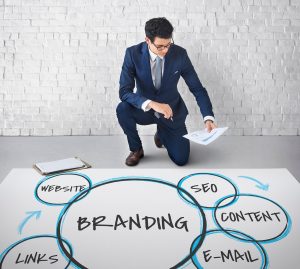
Most founders get it wrong. They believe branding is a logo and a color scheme—a cosmetic task to check off before the real work begins. This mistake is why so many technically brilliant startups fail to gain traction. A professional branding agency for startups delivers more than a logo; they build a complete brand system. This involves deep market research, defining a core brand strategy, creating a visual identity, and developing a comprehensive style guide. For a startup, this process is critical for establishing market trust, differentiating from competitors, and lowering customer acquisition costs over time by building a recognizable and defensible identity.
We’ve seen this play out with clients like OPP-HUB CONSULTANCY, a promising startup with a powerful service offering but no cohesive story. They came to us with a common problem: they were invisible in a crowded market. This case study breaks down the system we use to build brands that create measurable value from day one.
The Challenge: Competing on More Than Features
Before any formal branding, most early-stage startups operate with a fragmented identity. The founder’s personal LinkedIn profile has one tone, the pitch deck has another, and the hastily built landing page has a third. This inconsistency kills credibility. Potential customers, investors, and talent can’t get a clear sense of who you are, what you stand for, or why they should choose you over an established alternative.
This was the exact situation for OPP-HUB CONSULTANCY. They had a solid business model but no unified brand expression. Their potential was capped not by their product, but by their inability to communicate its value in a compelling and consistent way. Without a strong brand foundation, every marketing effort was less effective, and their customer acquisition cost was bound to stay stubbornly high. They were just another new company shouting into the void.
The Approach: Engineering a Brand System
Fixing this isn’t about picking a new font. It’s an engineering problem. You have to build a brand system—a complete framework that governs how your company looks, sounds, and acts across every touchpoint. This creates consistency, which in turn builds trust and recognition. The goal is to make the brand so clear that it becomes a verifiable truth for your audience, an idea we explore in more depth when we say your logo is a lie.
Our process for startups follows a disciplined, multi-stage approach:
- Market Research & Competitive Analysis: We don’t start with design. We start with data. We analyze the competitive landscape, identify market gaps, and interview potential customers to understand their needs and language. According to a CB Insights analysis of startup failures, a staggering 35% of startups fail because there’s no market need. Research validates the audience before a single pixel is placed.
- Core Strategy Definition: Based on the research, we work with the founding team to codify the company’s mission, vision, and core values. From there, we define a unique brand voice and messaging pillars. This isn’t just marketing fluff; it’s the company’s strategic DNA, dictating everything from ad copy to customer support emails.
- Visual Identity Creation: With a clear strategy, we can finally begin the design work. As part of our Branding & Identity service, we develop the entire visual system. Your brand is more than a logo, and our process reflects that. We design the logo, establish a primary and secondary color palette, select typography, and create a library of graphic elements that reflect the brand’s personality.
- The Brand Style Guide: The final, critical deliverable is a comprehensive brand style guide. This document is the rulebook for your brand. It details logo usage, color codes, font hierarchies, messaging guidelines, and more. It ensures that every employee, freelancer, or agency partner can execute the brand with perfect consistency.
Understanding the Startup Branding Landscape
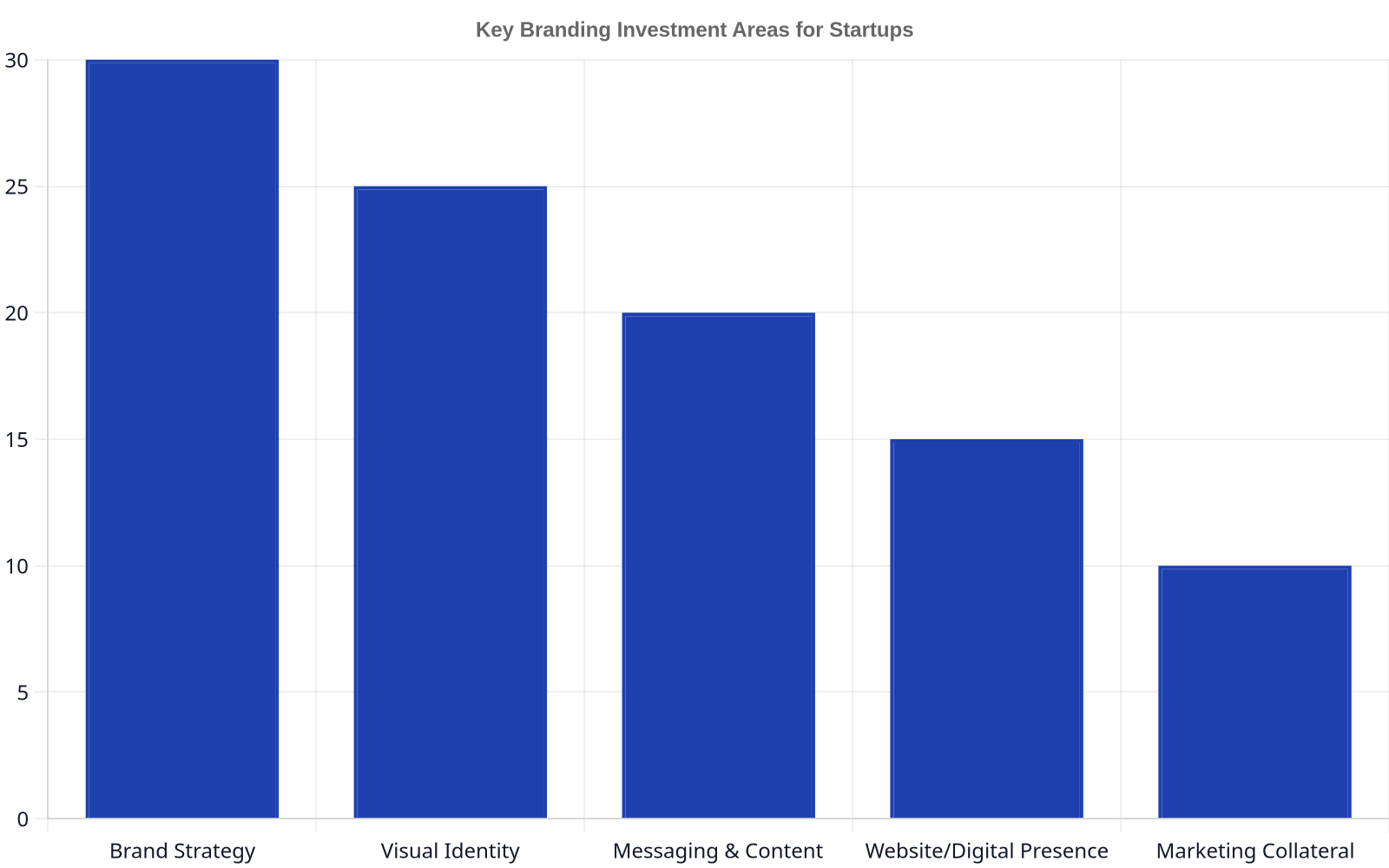
Building a brand in a vacuum is a recipe for failure. The market research phase is non-negotiable because it provides the strategic context for every subsequent decision. It answers critical questions: Who are our top three competitors, and what are their brand positions? What visual and verbal tropes are overused in our industry? What specific pain points are customers complaining about online that our brand can solve?
This data-driven approach moves branding from a subjective art to a strategic business function. It allows a startup to find “blue oceans”—uncontested market space where it can establish a strong foothold. For example, if every competitor uses a blue logo and speaks in corporate jargon, a startup can immediately differentiate itself with a warm color palette and a direct, human tone of voice.
A brand isn’t a coat of paint you apply at the end. It’s the architectural blueprint you design at the beginning. It dictates the entire structure of how you communicate value.
This analytical rigor is what separates a professional branding agency for startups from a freelance logo designer. It’s about positioning the entire business, not just creating a pretty picture.
The Impact of Strong Branding on Startup Growth
For OPP-HUB CONSULTANCY, the result of this systematic process was a complete transformation. They went from being an anonymous entity to a distinct and credible player in their niche. They now have a cohesive brand that they can apply across their website, sales materials, and social media, creating a unified customer experience that builds trust at every step.
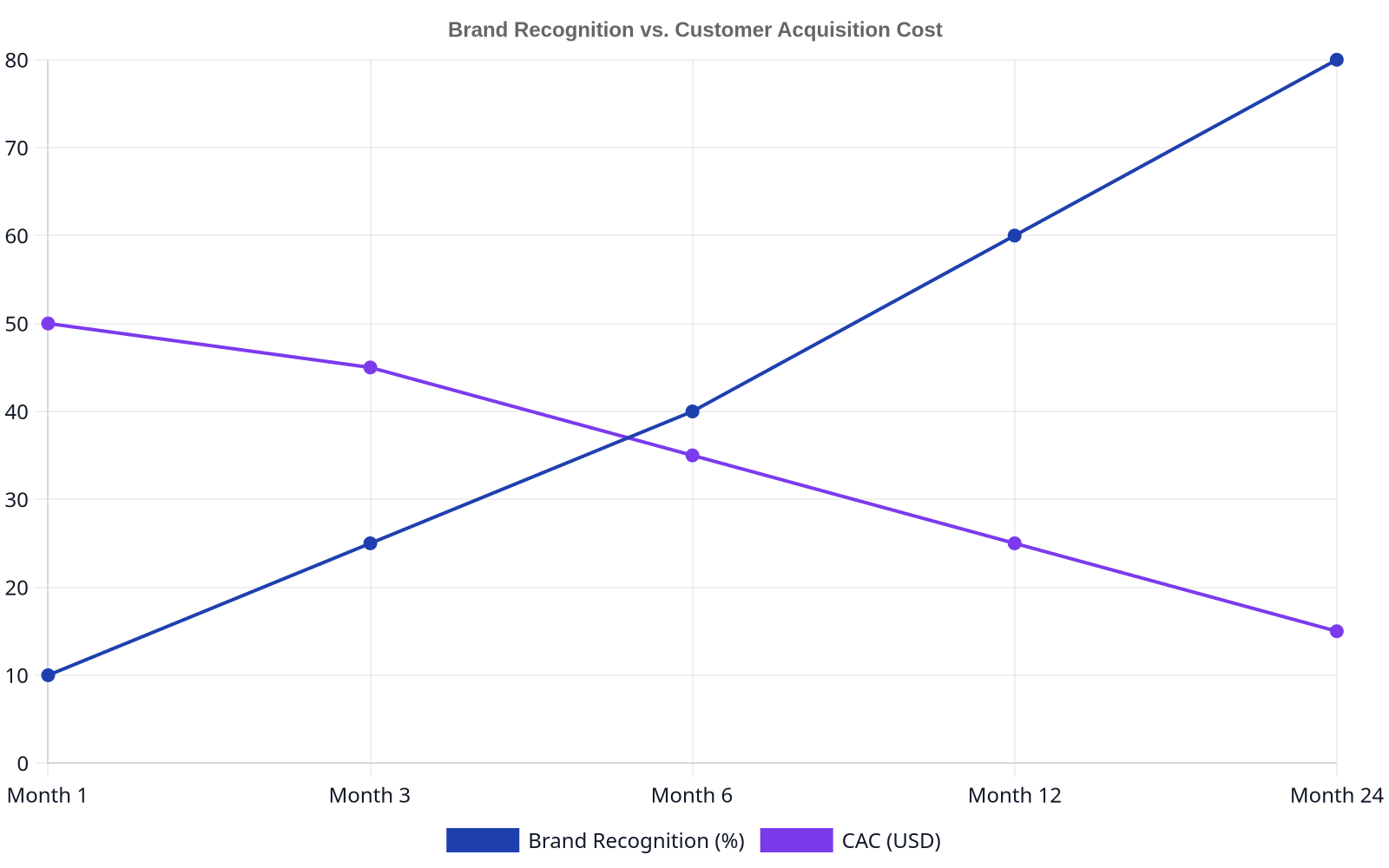
While direct ROI from branding can feel elusive initially, its long-term impact is profound and quantifiable. Consistently presented brands are 3.5 times more likely to enjoy excellent brand visibility than those with an inconsistent brand presentation. This visibility translates into tangible business results:
- Increased Customer Trust: A polished and consistent brand signals professionalism and reliability, making it easier to win those first crucial customers.
- Higher Pricing Power: Strong brands can command premium prices because they compete on value and trust, not just on features or cost.
- Lower Customer Acquisition Cost (CAC): As brand recognition grows, your marketing becomes more efficient. You spend less to acquire each new customer because they already know and trust who you are.
Choosing the Right Branding Agency: Key Criteria
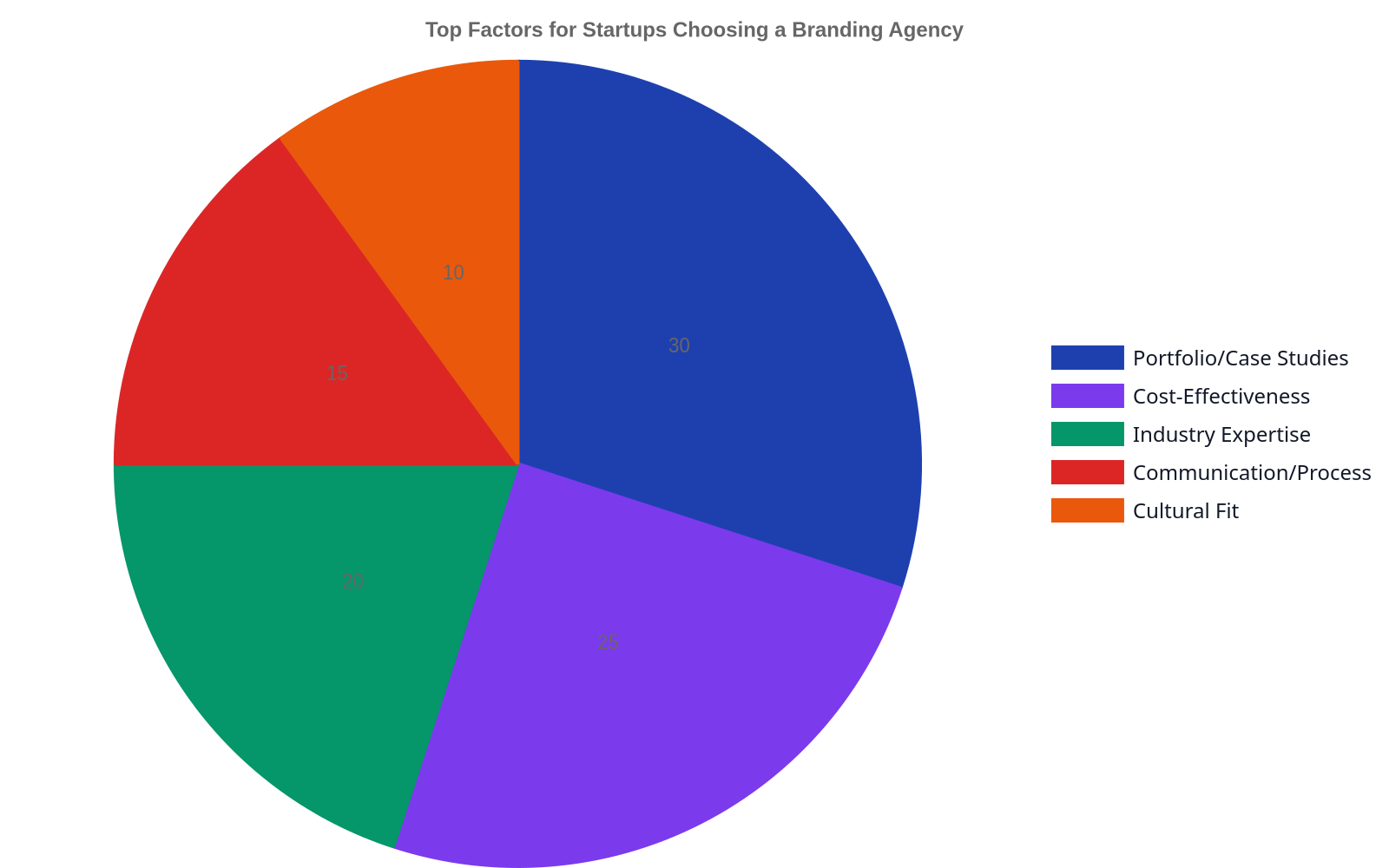
Not all agencies are created equal. When selecting a partner, startups must look beyond slick portfolios. It’s crucial to understand their process and how they approach strategy. A key differentiator is an agency that understands the entire growth funnel. For instance, at Dynareach, we integrate our branding work with deep expertise in SEO. We perform keyword research not just for blog posts, but to inform the core language of the brand itself, ensuring it aligns with what the target audience is actively searching for.
Choosing a branding agency is like choosing a co-founder. You need a partner who is invested in your long-term success, not just a vendor completing a task list.
Startups should also inquire about pricing models, which typically fall into three categories:
- Fixed-Fee Projects: A set price for a defined scope of work (e.g., a complete brand identity package). This is common for startups and offers cost predictability.
- Hourly Rate: Billed for the actual time spent. This can be flexible but carries the risk of budget overruns if the scope is not tightly managed.
- Retainer: A recurring monthly fee for ongoing brand support and consultation. This is more suitable for growing startups that need continuous brand management.
Beyond the Launch: Brand Evolution and Legal Protection
Launching the brand isn’t the end of the journey. As a startup grows, its brand will need to evolve. A brand that works for a 10-person company may need adjustments when that company hits 100 employees and expands into new markets. A good agency provides a system that can scale and adapt without losing its core identity.
Furthermore, a critical and often overlooked step in the branding process is legal protection. Your brand name and logo are valuable intellectual property. Before committing to a name, it’s essential to conduct a thorough trademark search to ensure it’s available for use. Neglecting this can lead to costly legal battles and forced rebrands down the road. The official U.S. Patent and Trademark Office (USPTO) database is the primary resource for this, and a good agency will guide you through this process.
Building a defensible brand is one of the most important investments a startup can make. It’s the foundation upon which all future growth, marketing, and customer relationships are built. By treating branding as a core strategic function from day one, founders can build a powerful and lasting competitive advantage.
Ready to build a brand that drives growth? Dynareach specializes in creating brand systems for ambitious startups.
Further reading
FAQ
What’s the difference between a branding agency and a marketing agency?
A branding agency focuses on building the foundational identity of your company: your strategy, voice, visual identity (logo, colors), and guidelines. For those looking to leverage technology, explore ai branding companies that enhance this process. A marketing agency focuses on promoting that brand to acquire customers through channels like SEO, paid ads, social media, and content. Branding is the what; marketing is the how.
How much does startup branding cost?
Pricing varies widely. A simple logo from a freelancer might cost a few hundred dollars, while a comprehensive branding project from an agency can range from $15,000 to $50,000+. The cost depends on the scope, including market research, strategy, the number of design concepts, and the depth of the final style guide. Many agencies offer fixed-fee packages for startups.
How long does the branding process take for a startup?
A typical end-to-end branding project for a startup takes between 6 to 12 weeks. This timeline covers research and discovery, strategy workshops, design iterations, feedback rounds, and the final delivery of the brand assets and style guide.
What is a brand style guide and why do I need one?
A brand style guide is a document that codifies your brand’s identity. It includes your logo, color palette, typography, voice and tone, and rules for how to use them. It is absolutely essential because it ensures consistency across every single touchpoint, from your website to your business cards, building a cohesive and professional image.
Can I rebrand my startup later?
Yes, rebranding is always possible, but it can be costly and confusing for your existing customers. It’s far more effective to invest in a strong, flexible brand system from the beginning. A good initial brand is built to evolve with the company, often requiring only minor refreshes rather than a complete overhaul.
Why is market research so important for branding?
Market research ensures your brand is relevant and differentiated. Without it, you are essentially guessing what your customers want and how to stand out from competitors. Research provides the data needed to make strategic decisions, reducing risk and dramatically increasing the chances of creating a brand that resonates with its intended audience.