
Introduction: Decoding Website Design Costs in 2026
Your website is no longer just a digital business card; it’s your most powerful sales engine, your primary marketing channel, and the very core of your brand’s digital identity. As businesses in 2026 navigate an increasingly competitive online world, one of the most pressing questions they face is: website design how much does it cost? The answer, however, is far from simple. It’s a question with a spectrum of answers, ranging from a few hundred dollars for a basic template to six figures for a complex, enterprise-level platform. Understanding what drives these costs is the first step toward making a smart investment in your company’s future.
The Evolving Landscape of Web Design
In the past, a website might have been a static, five-page brochure. Today, it’s a dynamic ecosystem. The modern website must deliver a seamless user experience (UX), load instantly on any device, and integrate with a suite of tools for marketing, sales, and operations. This complexity is a direct driver of cost. A simple blog has vastly different requirements than a sophisticated e-commerce site with a custom checkout process or a SaaS platform needing secure user authentication. Furthermore, building for today’s digital environment means prioritizing non-negotiable elements. In 2026, a mobile-responsive site isn’t a luxury; it’s a baseline requirement, as Google primarily uses the mobile version of content for indexing and ranking, a practice known as mobile-first indexing explained by Google. These essential technical and strategic layers all contribute to the final price tag.
Why Understanding Website Costs is Crucial for Your Business
Treating your website as an expense rather than an investment is a critical mistake. A cheap, poorly constructed website can cost you far more in the long run through lost leads, security vulnerabilities, and missed revenue. A clear budget is not just a financial constraint; it’s a strategic tool that defines the scope and ambition of your project. It aligns your business objectives with the technical deliverables, ensuring there are no surprises down the line. At Dynareach, we guide our clients through this process, helping them build a budget that matches their growth goals. Whether you’re a startup needing a powerful launchpad or an established business seeking to scale, a well-defined budget ensures your investment generates a tangible return. It empowers you to partner with a development team to create a site that doesn’t just look good, but actively drives business forward.
Key Factors Influencing Website Design Costs
When asking “website design how much does it cost,” the answer is rarely a single number. The final price is a sum of its parts, influenced by three core pillars: the site’s complexity, its specific functionalities, and the level of design customization. Understanding these factors is the first step toward creating an accurate budget for your digital presence.
Website Type and Complexity
The most significant cost driver is the type of website you need. The scope of work differs dramatically between a simple informational site and a complex web application.
- Brochure Websites: These are the most basic, serving as a digital business card with 5-10 pages detailing services, contact information, and an “About Us” section. Their relative simplicity means a lower cost.
- E-commerce Platforms: Online stores require significantly more complexity, including product catalogs, secure payment gateways, inventory management, and customer accounts. The more products and features, the higher the cost.
- SaaS and Custom Web Applications: These are the most complex and expensive. They involve user authentication, custom databases, interactive dashboards, and often require integration with multiple third-party services.
Here’s a general comparison:
| Website Type | Typical Complexity | Estimated Development Effort |
|---|---|---|
| Brochure Site | Low (Static Pages) | Low |
| E-commerce Store | Medium (Dynamic Catalog, Payments) | Medium-High |
| SaaS Application | High (User Logic, Database) | High |
Features and Functionality
Beyond the basic type, the specific features you require will directly impact the cost. Each added function requires development time and expertise. Common examples include appointment booking systems, custom calculators, membership portals, CRM or ERP integrations, and multilingual support. A simple contact form is standard, but integrating it with a sophisticated sales pipeline is a custom task. As you map out your needs, remember that each feature adds to the final estimate.

Design Customization and User Experience (UX)
Finally, the visual design and user experience (UX) play a crucial role. Opting for a generic, pre-built template is the cheapest route, but it often leads to a site that looks like countless others and fails to align with your brand.
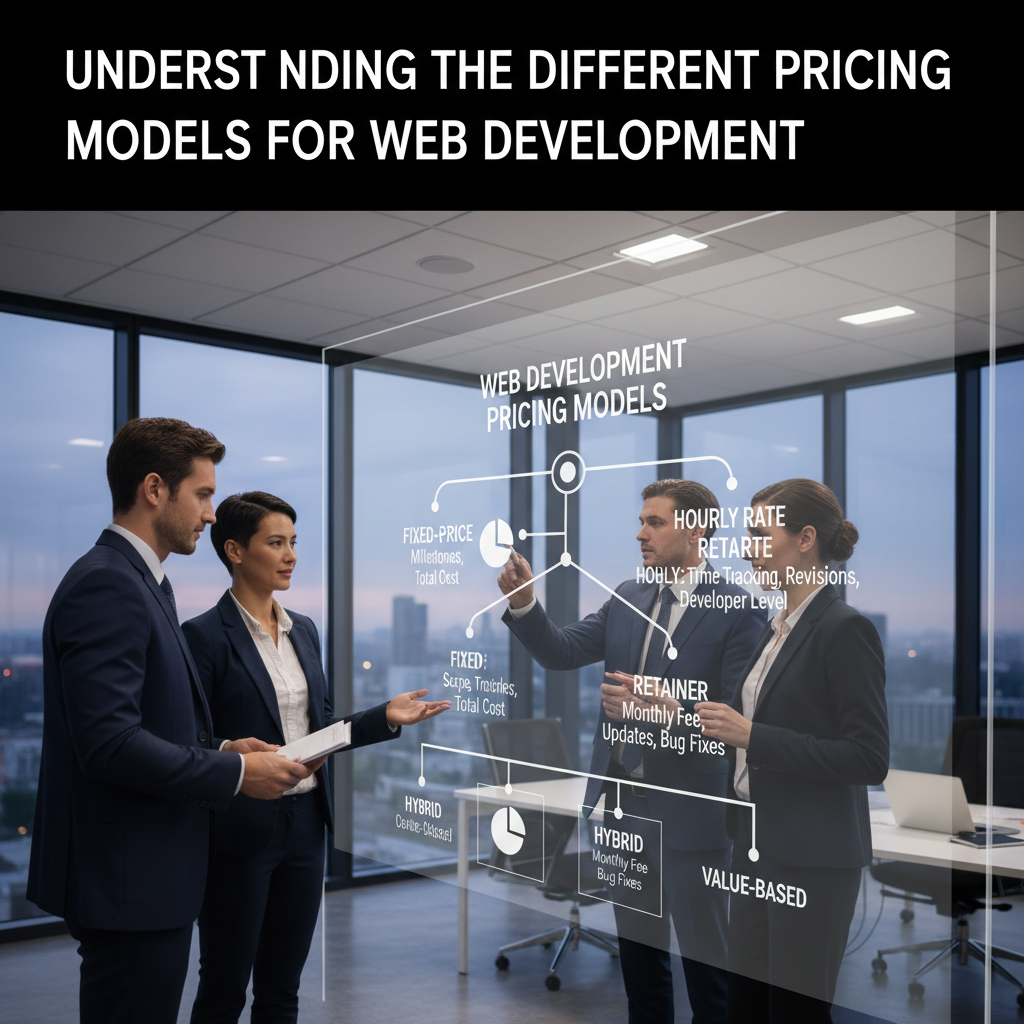
Understanding the Different Pricing Models for Web Development
When asking “website design how much does it cost,” it’s crucial to understand that the final price tag is heavily influenced by the pricing model your chosen developer or agency uses. These structures determine how you pay for the work, what’s included, and how changes are handled.
Hourly Rates vs. Project-Based Pricing
The two most common pricing structures are hourly and project-based. Hourly billing offers flexibility, which is ideal for projects with an evolving scope or for ongoing, smaller tasks. However, the total cost can be unpredictable if the project takes longer than anticipated.
Conversely, project-based (or fixed-price) billing provides a clear, upfront cost for a well-defined scope of work. This is the preferred model for many businesses as it guarantees budget certainty. At Dynareach, we favor project-based pricing because it aligns our goals with yours: delivering a high-quality website efficiently and on budget. Any changes outside the original scope are typically handled through a separate change order.
| Pricing Model | Pros | Cons |
|---|---|---|
| Hourly Rate | Highly flexible, easy to start | Unpredictable final cost, can encourage inefficiency |
| Project-Based | Budget certainty, clear deliverables | Less flexible, requires detailed upfront planning |
Retainer Models and Ongoing Maintenance
A website is a living asset that requires continuous care. Launching it is just the beginning. Ongoing maintenance retainers cover essential services like software updates, security monitoring, backups, and performance optimization. These monthly or quarterly fees ensure your site remains secure and functional.

Many agencies also offer marketing retainers for services like SEO, content creation, and digital advertising to help grow your traffic and conversions post-launch. This integrated approach ensures your investment continues to generate returns long after the initial build.
The Impact of Agency Size and Location
The type of partner you hire significantly affects cost. Freelancers typically have the lowest rates but may lack the comprehensive skills or availability of a full team. Small boutique agencies offer a middle ground, often with specialized expertise.
Larger, full-service agencies like Dynareach provide a complete solution encompassing strategy, design, development, and ongoing marketing. While the initial investment is higher, you gain access to a dedicated team of experts, streamlined processes, and the assurance of scalability. Choosing the right partner is a critical business decision, as it impacts everything from quality to long-term support. Understanding who to partner with for your web development is as important as the budget itself.
Breaking Down the Cost Components of a Website Project
When you ask, “website design how much does it cost?”, the answer isn’t a single number. Instead, the final price is the sum of several critical project phases. A professional agency like Dynareach provides a transparent breakdown, ensuring you see the value and purpose behind every part of your investment. Understanding these components is the first step toward setting a realistic budget for a website built for growth.
Discovery and Strategy Phase
Every successful website begins with a solid plan. This foundational phase is where the project’s blueprint is meticulously crafted. It’s not just a brief consultation; it involves in-depth workshops to understand your business goals, competitive analysis to identify market opportunities, and target audience research to define user personas. Your agency will map out the information architecture and technical specifications. This strategic work is vital—it prevents costly U-turns during development and ensures the final product is perfectly aligned with your objectives. The more complex the project, such as a custom SaaS platform, the more intensive this phase will be.
Design and Development Phase
This is the core construction phase and typically represents the largest portion of the budget. It is divided into:
- UI/UX Design: User Experience (UX) focuses on creating a logical, intuitive user journey, while User Interface (UI) design brings the brand to life visually with mockups, color palettes, and typography.
- Front-End Development: This is where developers convert the approved designs into a live, interactive website that users see in their browser.
- Back-End Development: The engine under the hood. This includes building the database, server-side logic, and integrations needed for features like user accounts, e-commerce checkouts, or content management systems.
Content, SEO, and Post-Launch Support
A website is an empty shell without high-quality content and a plan to attract visitors. This phase covers content creation, including persuasive copywriting and professional visuals. Foundational Search Engine Optimization (SEO) is also crucial, involving keyword research, on-page optimization, and technical setup so search engines can find and rank your site. After launch, costs don’t stop. You must budget for web hosting, security, regular maintenance, and plugin updates. Planning for these ongoing expenses is essential for the long-term health and performance of your digital asset, providing a complete picture when asking about website design how much does it cost. For a deeper dive, read our guide on Your Website Development Cost in 2026 Revealed.
Budgeting for Success: How to Get an Accurate Website Design Quote
The most common question we hear is, “website design how much does it cost?” The honest answer is: it depends entirely on what you need. To move from a vague estimate to a firm quote, you must first provide a clear and detailed project scope. This clarity is the foundation of a successful project and ensures there are no surprises down the line.
Defining Your Project Scope Clearly
The single most effective way to solicit accurate quotes is to create a detailed project brief or Request for Proposal (RFP). A vague request will only yield vague, unreliable pricing. Your brief acts as a blueprint, telling potential partners exactly what you expect. A well-crafted document should detail your business goals, target audience, desired features (like e-commerce functionality or a booking system), and any technical requirements. According to industry guides, a good way to start is to create a comprehensive Request for Proposal (RFP) that outlines your specific needs. At Dynareach, we begin every partnership with a discovery phase to help clients solidify this scope, ensuring the final quote aligns perfectly with their vision and budget.
Requesting and Evaluating Proposals
Once you’ve sent your RFP, you’ll receive proposals from various agencies. It’s tempting to simply choose the lowest bid, but this approach rarely leads to the best outcome. A valuable proposal goes beyond the bottom-line number. Scrutinize what’s included in the price: SEO foundations, mobile optimization, content management system (CMS) training, and post-launch support. Compare the agency’s portfolio and case studies. Does their work align with your brand standards? Are they a strategic partner or just a vendor? Making the right decision involves a holistic view, which is why we have detailed guidance on choosing a web development partner for your business.
Considering Long-Term Value vs. Upfront Cost
Dynareach: Your Partner for Cost-Effective, High-Performance Web Solutions
Navigating the web development landscape can feel overwhelming, especially when trying to balance budget with ambitions for growth. At Dynareach, we cut through the confusion by serving as a strategic partner dedicated to delivering high-performance web solutions without the exorbitant price tag. We believe a powerful online presence should be an asset, not an unpredictable expense.
Transparent Pricing and Tailored Packages
One of the biggest concerns for any business is “website design how much does it cost?” We address this head-on with a commitment to transparent pricing. Unlike agencies that provide vague estimates and tack on hidden fees, we offer detailed, upfront quotes tailored to your unique requirements. Whether you’re a startup needing a lean launchpad, an e-commerce brand requiring a robust online store, or a SaaS company building a complex platform, our packages are designed to match your specific goals and budget. This clarity ensures you know exactly where your investment is going from day one.
Comprehensive Services for Growth
True value comes from a solution that grows with you. Dynareach isn’t just a web developer; we are a full-service growth partner. Our expertise spans custom website development, search engine optimization (SEO), and complete branding services. This integrated approach ensures every element of your digital presence works in harmony. Your website won’t just look great—it will be built on a solid SEO foundation and aligned with a compelling brand identity to attract and convert your ideal customers. Properly choosing a web development partner for your business means finding an agency that provides this end-to-end alignment, saving you time and money in the long run.
Why Dynareach Delivers Exceptional Value
So, when you ask “website design how much does it cost,” the answer should also include “what is the return?” This is where Dynareach excels. We deliver exceptional value by striking the perfect balance between elite quality, rapid development, and cost-effectiveness. Our agile methodology ensures we build and launch faster than traditional agencies, while our focus on clean code and scalable architecture means your website is built for the future. For startups and established businesses alike, this means a superior digital product that starts generating ROI sooner, making your initial investment a smart, strategic move for long-term success.
FAQs About Website Design Costs
What is the average cost of a small business website in 2026?
In 2026, a professionally built small business website typically ranges from $3,000 to $10,000. A basic, informational “brochure” site with a few pages falls on the lower end, while a site with custom features, bespoke design, and a content strategy trends toward the higher end. The final price depends on complexity, the number of pages, and whether services like SEO and content creation are included from the start. For a detailed breakdown tailored to your business, explore our Startup Website Development Cost in 2026: A Full Guide.
Can I get a professional website for under $1,000?
While it’s possible to get a website online for under $1,000 using DIY builders or basic freelance templates, it rarely meets the standard of a “professional” site for a growing business. These budget options often result in generic designs, poor mobile performance, limited scalability, and weak security. A professional build from an agency like Dynareach ensures a unique, secure, and scalable foundation, which is a far better long-term investment than a quick, cheap solution that will need a complete overhaul sooner rather than later.
How much does e-commerce functionality add to website cost?
Adding e-commerce is a significant factor in determining website design how much does it cost. Expect to add anywhere from $2,000 to over $25,000 to your base cost. This wide range covers everything from simple payment buttons on a small site to a complex, multi-vendor marketplace with thousands of products. The added cost accounts for secure payment gateway integration, product database setup, inventory management systems, customer account features, and ensuring PCI compliance for transaction security.
What are the ongoing costs of a website?
After the initial launch, you should budget for recurring expenses. These include your domain name (around $20/year), website hosting ($100 to $500+/year), an SSL certificate for security (often included with hosting), and a crucial website maintenance plan. Maintenance, which covers security updates, backups, and performance monitoring, can range from $50 to $500+ per month, protecting your investment and ensuring smooth operation.
How often should I budget for a website redesign?
Plan to refresh or redesign your website every two to three years. Digital technology and user expectations evolve rapidly. A redesign isn’t just about a new look; it’s an opportunity to implement new technologies, improve user experience (UX), enhance mobile performance, and realign the site with your current business goals. Sticking with an outdated site can lead to lower conversion rates and a loss of competitive edge.
Conclusion: Investing Wisely in Your Digital Future
The quest to answer “website design how much does it cost” often starts with a focus on a single number, but ends with a deeper understanding of value and investment. Viewing your website as a line-item expense is a critical mistake. Instead, it should be seen as the single most important digital asset for your business—a direct investment in your brand’s perception, customer acquisition strategy, and long-term growth potential. Its cost is not a “spend” but a strategic allocation of capital toward a 24/7 marketing and sales engine.
Recap of Key Cost Considerations
As we’ve explored, website costs are a spectrum, influenced by a handful of key variables. The choice between a simple template and a fully custom build, the complexity of features like e-commerce or user portals, the number of pages, and the integration of a robust SEO foundation all play significant roles. However, the most critical factor for controlling costs and ensuring a successful outcome is a clearly defined project scope. A transparent partnership with your web design agency, focused on establishing precise goals from the outset, is your best defense against budget overruns and an end product that misses the mark.
The Strategic Importance of Quality Web Design
A cheap website can become the most expensive mistake your business makes. Poor user experience frustrates visitors, security flaws expose you to risk, and a lack of SEO optimization renders you invisible to search engines. These issues lead to lost revenue, damaged credibility, and the eventual need for a costly redesign.
In contrast, a high-quality, professionally built website is an appreciating asset. It builds trust, converts visitors into customers, and climbs search engine rankings to attract organic traffic. It’s the digital storefront, lead generator, and brand ambassador that works tirelessly for you. The right partner thinks beyond the code; they build a platform for your success. This is precisely the philosophy that guides our work at Dynareach, where we craft bespoke web solutions designed to deliver a measurable return on investment.
When you’re ready to move past the simple question of “website design how much does it cost” and start asking what your website can achieve, you’re ready for a true growth partner. Enable your business to thrive with a website built for performance and scale. Let’s discuss your project with the Dynareach team today.