
Your Guide to Branding & Creative Services: More Than Just a Logo
Throw a rock in a business park, and you’ll hit a company that thinks their brand is just their logo and a color scheme. This is a fundamental misunderstanding of what a brand is and how it functions. Professional branding & creative services are not about creating a pretty picture; they are about building a comprehensive system for how your business is perceived. It’s the strategic foundation for earning trust, creating recognition, and justifying your price point. A strong brand can significantly increase revenue, demonstrating that this isn’t a cost center, but a core growth driver, especially when leveraging modern tools like those offered by ai branding companies.
To give you a clear picture of what’s available and what actually matters, we’ve analyzed the core offerings of branding agencies. This list is ranked based on a simple methodology: foundational impact. We start with the services that create the strategic bedrock of your brand and move to the tangible assets that bring it to life. We’ll look at what each service delivers, who it’s best for, and the common pitfalls to avoid.

1. Brand Strategy Development
Brand strategy is the blueprint for how the world sees you. It’s the high-level plan that defines your company’s purpose, promises, and personality. This isn’t a fluffy mission statement; it’s a rigorous process of market analysis, customer research, and competitive positioning. A strategist digs into who your customers are, what they need, and how your competitors are failing to meet those needs. The output is a clear, documented platform that guides every subsequent decision, from marketing copy to product development. This document typically defines your target audience, value proposition, brand voice, and messaging pillars.
Without a strategy, your marketing efforts are just disconnected tactics. You might have a great-looking website or a clever social media campaign, but they won’t add up to a cohesive and memorable identity. Brand consistency can significantly increase revenue. That consistency is impossible without a central strategy. It’s the difference between building a landmark and just stacking bricks.
- Best for: Startups defining their place in the market and established companies looking to pivot or clarify their message.
- Watch out for: Agencies that treat strategy as a one-page document of vague platitudes. A real strategy is actionable and provides clear direction for design and content.
2. Logo Design & Visual Identity
If brand strategy is the soul, the visual identity is the face. This is where most people’s understanding of branding begins and ends, but it’s a critical component. A visual identity system includes your logo, color palette, typography, and imagery guidelines. It’s the suite of aesthetic tools that make your brand instantly recognizable across every touchpoint, from your website to your business cards. At Dynareach, when we work on Branding & Identity, we focus on creating a visual system that truly reflects the client’s voice and connects with their target audience.
A great logo isn’t just about looking good; it’s about being memorable and functional. Think of the FedEx logo with its hidden arrow, a subtle nod to speed and direction. That’s intentional design. The process involves research, conceptualization, and refinement to create a mark that is unique, scalable, and timeless. It must work in a single color on a tiny favicon and on a massive billboard. Investing in a professional visual identity ensures your first impression is the right one, conveying credibility before a customer even reads a word.
- Best for: Any business that wants to be taken seriously. A professional identity is non-negotiable for building customer trust.
- Watch out for: Relying on cheap logo generators or design contests. You get what you pay for, and a generic logo makes your business look generic.
Your brand isn’t what you say it is. It’s what your customers feel it is. The job of a good creative partner is to align those two things with intention.
3. Brand Style Guide Creation
A brand style guide is the instruction manual for your brand. It’s a comprehensive document that codifies all the rules for your visual and verbal identity. It ensures that everyone who works on your brand, from internal marketers to external vendors, does so consistently. A typical style guide includes specifications for your logo usage (clear space, minimum size, incorrect applications), color palette (CMYK, RGB, Hex codes), typography (heading and body fonts, weights, sizing), and brand voice (tone, grammar, vocabulary).
This document is the single source of truth for your brand’s execution. It prevents the dilution and inconsistency that erodes brand recognition over time. Imagine if Coca-Cola used a slightly different red or a different script font in every ad. It would quickly lose its iconic status. A style guide protects your investment in your brand identity and empowers your team to create materials that are always on-brand. For our clients, like OPP-HUB CONSULTANCY, a full brand style guide is a key deliverable that keeps them consistent as they grow.
- Best for: Businesses with multiple employees, departments, or external partners who create content or marketing materials.
- Watch out for: Guides that are too restrictive or too loose. A good guide provides clear rules but also allows for creative flexibility within the established framework.

4. Rebranding Services
Rebranding is a corporate course correction. It’s the process of changing a company’s brand identity, and it can range from a simple logo refresh to a complete overhaul of the company’s name, messaging, and market positioning. Businesses rebrand for many reasons: a merger or acquisition, a shift in business strategy, a move to a new market, or a desire to shed a negative reputation. The decision to rebrand should never be taken lightly; it’s a significant investment that carries both risks and rewards, and understanding how to choose branding solutions is crucial.
A successful rebrand requires deep strategic thinking. The process starts with answering why a change is needed. Is the current brand outdated? Does it no longer reflect the company’s values or services? A prime example is CVS, which rebranded to CVS Health and stopped selling tobacco products to better align its brand with its new healthcare-focused mission. That move earned them an estimated $2 billion in brand value. Rebranding without a strategic reason is just redecorating. It has to solve a business problem.
- Best for: Companies whose brand no longer represents their business, or those facing market irrelevance or reputational damage.
- Watch out for: Treating a rebrand as a purely cosmetic exercise. If the underlying business issues aren’t addressed, a new logo won’t fix them.
Key Creative Services: A Closer Look
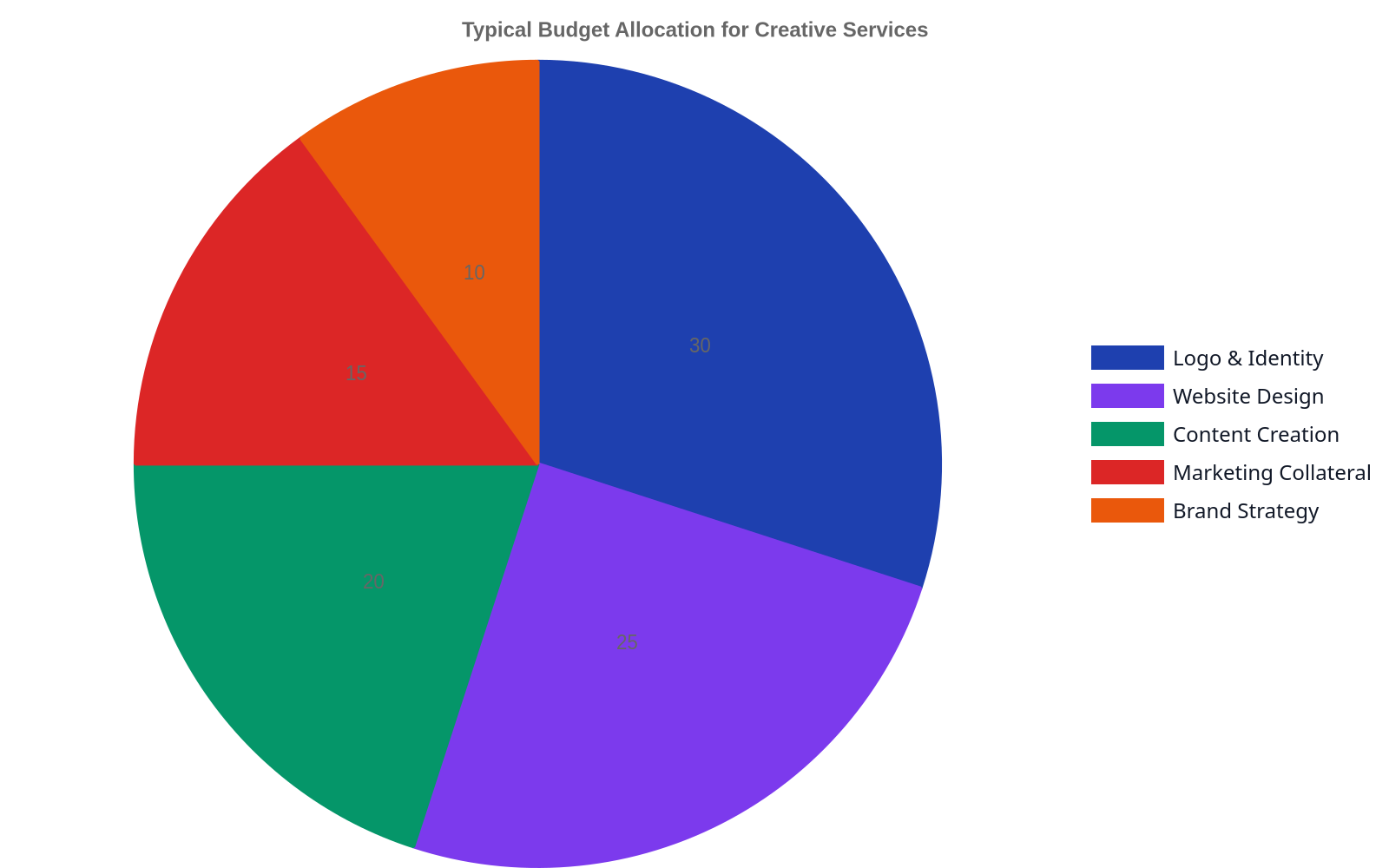
Beyond the foundational elements, branding & creative services extend into the day-to-day execution of your marketing. These are the tangible assets that your customers interact with. This is where the brand strategy and style guide are put into action. Agencies offer a wide range of creative production services to ensure your brand shows up consistently and professionally everywhere.
This can include designing marketing collateral like brochures, presentations, and trade show booths. It also extends to digital assets like social media graphics, email templates, and banner ads. For businesses that need them, this can even include print ad design and packaging. By centralizing creative production with an agency that understands your brand, you ensure that every single piece of communication, no matter the channel, is reinforcing the same core identity. This holistic approach is essential for building strong brand equity. In fact, a B2B buyers are more likely to buy when they see personal value represented by the brand, which is conveyed through every asset.
- Best for: Businesses actively marketing themselves across multiple channels that need a consistent look and feel.
- Watch out for: Piecemeal creation from different freelancers who don’t have the full context of your brand strategy. This leads to a fractured and unprofessional appearance.
A style guide isn’t a prison for creativity. It’s the grammar of your brand’s language. It provides the structure that makes creative expression possible and coherent.
5. Why Choose an Agency Over a Freelancer?
Choosing a partner for your branding is a significant decision. While a talented freelancer can be a great option for a one-off project like a logo, a branding agency offers a fundamentally different level of service. The primary difference is scope and integration. An agency brings a team of specialists to the table: strategists, designers, copywriters, and project managers. This collaborative approach ensures that your brand is considered from all angles.
An agency provides continuity and scale that a single individual cannot. What happens if your freelancer gets sick, goes on vacation, or simply disappears? With an agency, you have a team and a system ensuring the project continues. Furthermore, a full-service agency like Dynareach can integrate your branding directly with other critical growth services. For example, we build websites that don’t just look good, they work, ensuring the brand identity is perfectly translated into a fast, mobile-friendly, and SEO-optimized digital experience. This integration between brand and performance marketing is where the real ROI is found. According to successful B2B marketers are more likely to have a documented content strategy that is aligned with their brand.
- Best for: Businesses looking for a long-term, strategic partner who can handle the full spectrum of branding and its integration with other marketing efforts.
- Watch out for: Agencies that operate as a loose collective of freelancers. Ensure the agency has a cohesive, in-house team and a proven process.
The Impact of Branding: Quantifiable Benefits
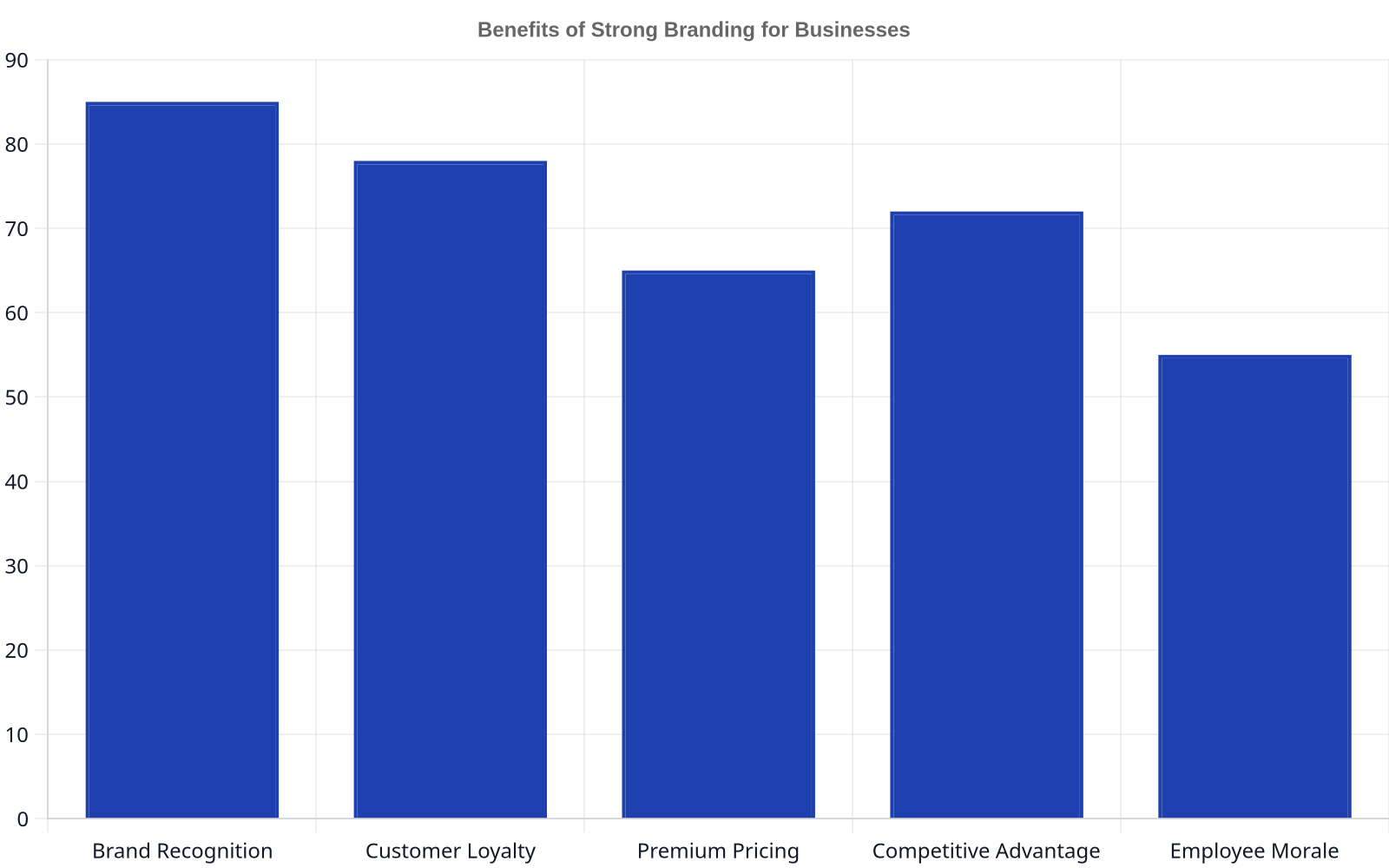
Investing in professional branding is not an expense; it’s an investment with a clear return. A strong, consistent brand directly impacts your bottom line in several measurable ways. First, it builds recognition and recall, which reduces customer acquisition costs over time. When customers know and trust your brand, they are more likely to choose you over a no-name competitor, even if your price is higher. This allows for premium pricing, directly boosting margins.
Furthermore, a strong brand fosters customer loyalty and advocacy. Customers who feel an emotional connection to a brand are more likely to become repeat buyers and recommend it to others. This creates a powerful organic growth engine. Research indicates that many shoppers stay loyal to brands that share their values. Ultimately, a well-defined brand provides a framework for every business decision, creating alignment and efficiency across the organization and driving sustainable growth.
FAQ
What are branding services?
Branding services encompass the strategic process of creating and shaping a company’s brand. This includes research, strategy development, defining a brand’s voice and personality, creating a visual identity (logo, colors, typography), and producing a brand style guide to ensure consistency across all marketing and communication efforts.
What are the components of a brand identity?
A brand identity is the collection of all tangible elements that a company creates to portray the right image to its consumer. The main components include the logo, color palette, typography, imagery (photography and illustration styles), and voice. These are all governed by a brand style guide.
How much does professional branding cost?
Costs vary dramatically based on scope. The investment should be proportional to the size of the business and its growth ambitions.
When is a good time for a business to rebrand?
A business should consider rebranding when there is a significant change in its business model, when it merges with another company, when its current brand has a negative reputation, or when the identity simply feels outdated and no longer connects with its target audience. Rebranding should always be tied to a clear business goal.
How do I choose the right branding agency?
Look for an agency with a strong portfolio of work that aligns with your aesthetic and strategic goals. Evaluate their process: do they begin with strategy and research? Check their case studies and client testimonials. Finally, ensure they are a good cultural fit and that you can build a strong, collaborative relationship with their team. You can learn more about how to select a digital marketing agency to find a partner that’s right for you.