
Buying off-the-shelf software is like buying a suit from a department store. It might fit okay across the shoulders, but it’s tight in the arms and too long in the legs. You can make it work, but it never feels quite right. Building a custom SaaS application is commissioning a bespoke suit; every measurement is yours, the material is chosen for your climate, and it’s built to last. Finding the right SaaS platform development company is not about hiring coders; it’s about retaining a master tailor who understands your business structure and strategic goals as well as they understand their craft. A true partner builds for where your business is going, not just where it is today.
Choosing a SaaS platform development company is the most critical product decision you will make. The right partner functions as an extension of your team, providing strategic consulting, full-cycle development, and post-launch support. They focus on architecting a scalable, secure, and market-viable product, not just writing lines of code. This involves a deep understanding of multi-tenant architecture, robust security protocols like SOC 2, and a proven agile process to adapt to market feedback and deliver a product that ensures long-term growth.
Understanding the SaaS Market Landscape
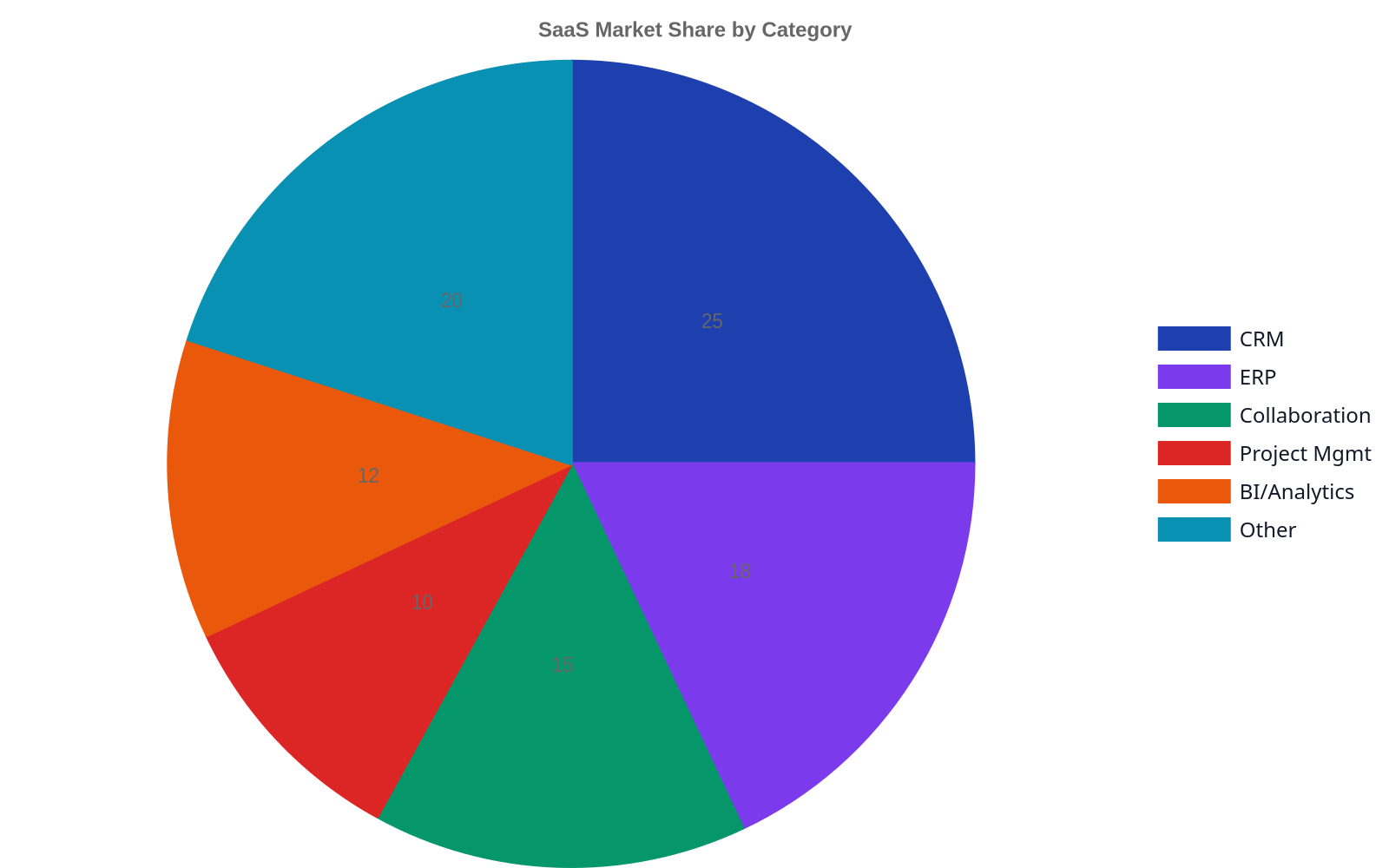
The fundamental shift from perpetual software licenses to subscription-based access has permanently altered the digital economy. The SaaS market is projected to swell from $315.8 billion in 2024 to over $883 billion by 2029, a compound annual growth rate of nearly 23%. This isn’t a bubble; it’s a foundational change in how businesses and consumers access tools and services. Companies no longer want the burden of hosting, maintenance, and updates. They want efficient, scalable solutions that are accessible from anywhere.
This explosive growth means the field is crowded and competitive. For every successful platform like Slack or Salesforce, there are hundreds of failed projects that misunderstood their market, built the wrong features, or couldn’t scale their architecture. Success requires more than a good idea; it demands rigorous technical execution and market strategy from day one.
Core Services of a SaaS Platform Development Company
A capable agency doesn’t just wait for a list of features to build. Their services span the entire product lifecycle, from concept validation to long-term maintenance. This is the difference between a code shop and a product development partner.
- SaaS Consulting: Before a single line of code is written, a partner helps you refine your idea, identify your target audience, analyze competitors, and choose the right technology stack and revenue model (e.g., flat-rate, per-user, tiered).
- Custom Development: This is the core build process, turning validated ideas into a functional product. This includes front-end (what the user sees) and back-end (database, server logic, APIs) development. As a part of our Web & Software Development services, we focus on building platforms that are not just functional but also fast and scalable.
- Cloud & SaaS Migration: Moving a legacy on-premise application to a modern, multi-tenant cloud architecture. This process is complex, involving data migration, code refactoring, and infrastructure setup on platforms like AWS, Azure, or Google Cloud.
- Third-Party Integrations: No SaaS product is an island. A development partner must be proficient at integrating your platform with other essential tools—CRMs, payment gateways like Stripe, marketing automation software, and more—via APIs.
- Support & Maintenance: The work isn’t over at launch. Ongoing services include bug fixes, performance monitoring, security patches, and developing new features based on user feedback.
Key Characteristics of a Modern SaaS Application
Not all web applications are true SaaS platforms. A successful SaaS product is built on a specific architectural and business foundation designed for scalability and efficiency.
- Multi-Tenancy: This is the non-negotiable architectural foundation. A multi-tenant architecture allows a single instance of the software application to serve multiple customers (tenants). It’s the most efficient way to operate, as it centralizes updates and maintenance, and reduces infrastructure costs. Single-tenancy is an option for clients with extreme security or customization needs, but it comes at a significant cost premium.
- Scalability: The platform must be able to handle growth without a degradation in performance. This is achieved through stateless application design, load balancing, and the use of scalable cloud infrastructure that can automatically add resources as demand increases.
- Security: With rising data breaches, security is paramount. This means implementing role-based access control, data encryption (in transit and at rest), and regular security audits. For many B2B SaaS products, achieving certifications like SOC 2 or ISO 27001 is a requirement for closing enterprise deals.
A product roadmap isn’t a wish list you hand to a developer. It’s a strategic document forged through market research, user interviews, and technical feasibility analysis—a process your development partner should lead, not just follow.
Understanding the SaaS Platform Development Lifecycle
Building a SaaS product is a structured journey, not a chaotic sprint. While methodologies vary, a proven process generally follows a clear, multi-stage path from concept to a living, breathing application. This ensures nothing is missed and that the final product is aligned with the initial vision and market needs.
A Numbered Process for SaaS Development:
- Discovery & Roadmapping: This initial phase is pure strategy. It involves stakeholder interviews, defining the core problem, researching competitors, and creating a detailed product roadmap. The primary deliverable is a clear set of business objectives and a high-level feature list prioritized into phases (MVP, V1, V2, etc.).
- UX/UI Design & Prototyping: Here, the vision becomes tangible. UX (User Experience) designers map out user flows and wireframes to create an intuitive journey. UI (User Interface) designers then apply the branding and visual style to create a polished look and feel. The result is an interactive prototype that allows for user testing before development even begins.
- Agile Development: The actual coding happens here, typically using an Agile methodology like Scrum. The project is broken down into small, manageable “sprints” (usually 2-4 weeks long). At the end of each sprint, the team delivers a working piece of the software, allowing for continuous feedback and iteration.
- Quality Assurance (QA) Testing: A dedicated QA team tests the application relentlessly throughout the development process. This includes manual testing, automated testing (running scripts to check for regressions), performance testing (how does it handle load?), and security testing.
- Deployment & Launch: Once the Minimum Viable Product (MVP) is stable and approved, it’s deployed to a live production environment. This process is often automated using CI/CD (Continuous Integration/Continuous Deployment) pipelines, which ensure smooth and reliable releases. After launch, the cycle of feedback, iteration, and deployment continues.
This iterative process is what allows a product to evolve with its user base. For our client Slyte, we used this exact lifecycle to build their SaaS platform, which connects content creators with brands. The initial launch focused on core matching functionality, with further features developed in subsequent phases based on real user activity.
A Comparison: In-House Team vs. SaaS Development Company
Many founders debate whether to hire an in-house team or partner with an agency. Both have their merits, but the choice depends heavily on your stage, budget, and timeline.
| Feature | In-House Team | SaaS Development Company |
|---|---|---|
| Time to Start | Slow (2-6 months for hiring) | Fast (1-3 weeks to onboard) |
| Upfront Cost | High (recruiting fees, salaries, benefits) | Lower (no recruiting, fixed project or monthly cost) |
| Expertise | Limited to who you can hire | Broad (access to specialists in UX, back-end, security, etc.) |
| Flexibility | Low (fixed team size and skillset) | High (can scale team up or down as needed) |
| Process | Must be built from scratch | Proven, repeatable processes and tools |
| Long-Term Cost | Potentially lower if product is stable | Potentially higher for ongoing development |
For most startups and businesses entering a new market, partnering with a specialized company is the more capital-efficient and faster route to launching an MVP. It allows you to tap into a full team of experts from day one, which is a major reason for hiring a web dev agency.
Key Metrics for SaaS Success
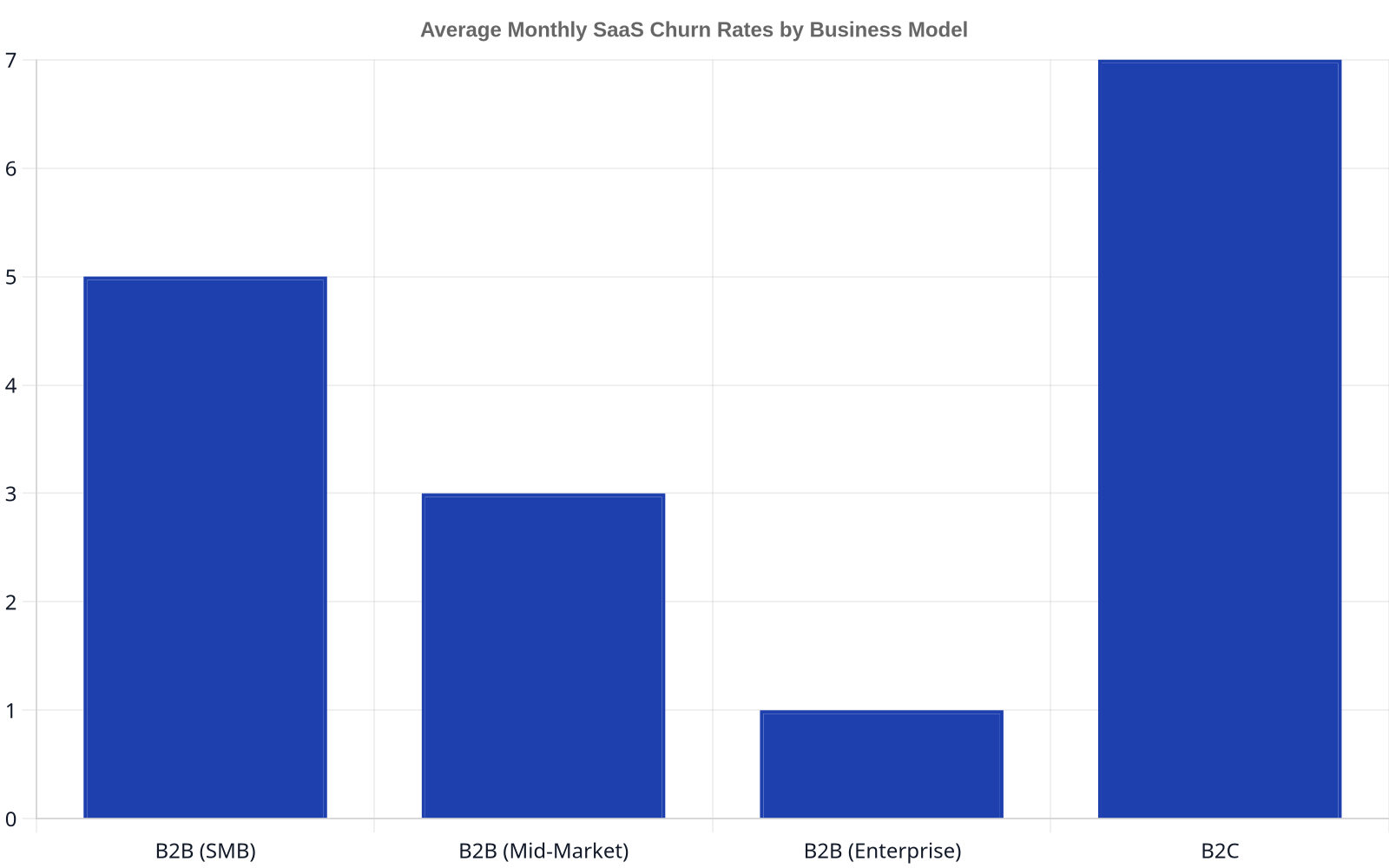
Building the platform is only half the battle. A successful SaaS business is run by the numbers. Your development partner should not only understand these metrics but also build the analytics dashboards you need to track them effectively.
- Monthly Recurring Revenue (MRR) & Annual Recurring Revenue (ARR): The lifeblood of a SaaS business. This is the predictable revenue you can expect to receive every month or year from your subscribers.
- Customer Churn Rate: The percentage of customers who cancel their subscriptions in a given period. The average annual churn rate is around 13.9%, but this can sink a business if not managed. A high churn rate is a clear signal of a product-market fit problem or poor user experience.
- Customer Lifetime Value (LTV): The total revenue you can expect to generate from a single customer over the lifetime of their account. LTV must be significantly higher than the cost to acquire that customer.
- Customer Acquisition Cost (CAC): The total sales and marketing cost required to acquire a new customer. The goal is to keep CAC as low as possible while maintaining a high LTV. A common benchmark from a KeyBanc Capital Markets survey shows a median CAC of $1.18 for every $1 of new ARR.
Don’t celebrate a launch. Celebrate your first 100 paid users. Celebrate when your LTV is 3x your CAC. Celebrate when your churn rate drops below 5%. The product is just the beginning; the business is what matters.
Vetting Your Next SaaS Platform Development Company
Choosing the right partner is a high-stakes decision. Go beyond the sales pitch and conduct rigorous due diligence. Here’s what to look for.
Evaluate Their Technical Stack and Expertise
Ask them what technologies they use and why. A modern SaaS provider should be fluent in frameworks like React or Vue.js for the front end, and Node.js, Python (Django), or Ruby on Rails for the back end. They must have deep expertise in a major cloud provider like AWS and be able to articulate a clear strategy for database design, API architecture, and DevOps.
Look for Proven Processes and Case Studies
Don’t just look at the finished product; ask about the journey. A strong partner will be able to walk you through their development process, show you examples of project management documentation, and provide relevant case studies. Ask for client references and actually call them. We are proud to have built a variety of custom SaaS platforms for clients who need scalable and reliable solutions.
Understanding Their Pricing Models
SaaS development projects are typically priced in one of three ways:
- Fixed Price: A set price for a clearly defined scope of work. Best for smaller projects or an MVP where the features are unlikely to change. It offers budget predictability but is inflexible.
- Time & Materials: You pay an hourly or daily rate for the time the team spends on your project. This model is flexible and well-suited for complex projects where the scope may evolve. It requires a high degree of trust and transparent tracking.
- Dedicated Team: You hire a full team of developers, designers, and project managers who work exclusively on your project for a flat monthly fee. This is the most integrated approach and functions like an extension of your own company.
Further reading
- SaaS Application Development Services 🚀
- SaaS Application Development Services | 180+ Projects Delivered
- SaaS Development Services
- SaaS Application Development Services
- Top SaaS Development Companies to Build Scalable Products
Frequently Asked Questions
How much does it cost to develop a SaaS platform?
This varies dramatically based on complexity, but a Minimum Viable Product (MVP) from a reputable agency can range from $50,000 to $250,000+. A complex platform with advanced features like AI, enterprise integrations, and stringent compliance requirements can easily exceed $500,000. Be wary of any company offering to build a platform for a few thousand dollars.
How long does it take to build a SaaS application?
The timeline also depends on complexity. An MVP can typically be designed, built, and launched in 4 to 8 months. More feature-rich platforms can take a year or longer. The agile development process allows for a faster initial launch, with additional features being rolled out over time.
What is the most important factor when choosing a SaaS developer?
Beyond technical skill, the most important factor is their ability to act as a strategic partner. Do they challenge your assumptions? Do they understand your business model? Do they have a proven process for turning ideas into market-ready products? Technical competence is table stakes; strategic partnership is the differentiator.
What is the role of AI and ML in modern SaaS development?
AI and machine learning are becoming increasingly critical. For example, a 70% of organizations say AI is helping close skills gaps. In SaaS, this translates to features like predictive analytics, recommendation engines, natural language processing for chatbots, and intelligent automation. A forward-thinking SaaS platform development company should have AI/ML capabilities.
Building a successful SaaS business is one of the most challenging but rewarding ventures in the tech world. It requires a great idea, a deep understanding of the market, and, most importantly, a technical partner who can translate your vision into a scalable, secure, and successful product. Don’t settle for a vendor who just writes code; find a partner who will build a business with you.
Ready to turn your idea into a market-leading SaaS platform? Let’s talk about your vision and how our expert development team can bring it to life. Book a call with Dynareach today.