
How We Grew B2B Inbound Leads 400%: A Case Study for Ecommerce Website Optimization Companies
Most agencies sell “SEO” as a commodity checklist. They run a crawler, fix some title tags, and send you a bill. This is not optimization; it’s maintenance. A true ecommerce website optimization company functions as a growth partner, rebuilding your digital foundation to systematically increase qualified traffic and revenue. For our client, Wolverine Assemblies, this approach didn’t just make their site prettier—it produced a 400% increase in inbound leads by transforming their website from a digital brochure into a high-performance customer acquisition engine. This same methodology applies directly to any business selling products online.
The Client’s Initial State: Recognizing the Need for Optimization
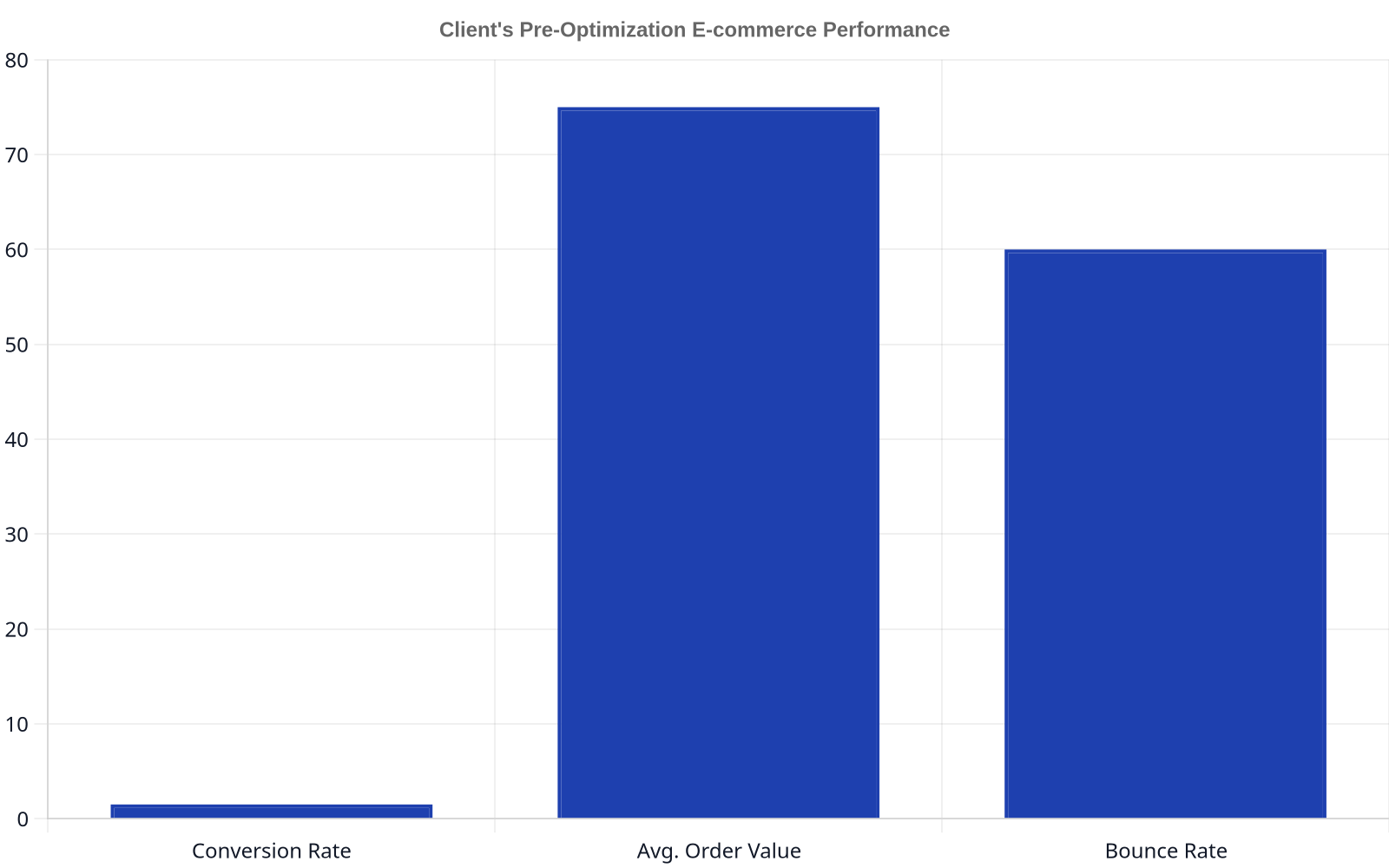
When Wolverine Assemblies first came to us, they faced a problem common to many established B2B companies: their digital presence didn’t reflect their real-world expertise. Their website was outdated, difficult to navigate on mobile devices, and had virtually zero visibility on search engines for the services they offered. In the words of their team, the site “didn’t show up on search engines.”
This isn’t just a vanity problem. A staggering 80% of B2B sales interactions between suppliers and buyers will occur in digital channels by 2025. An invisible website is a closed-for-business sign. Their previous site suffered from several critical flaws:
- Technical Debt: The site was built on an old platform that was not conducive to modern technical SEO. It had slow load times, a confusing URL structure, and no sitemap for search engines to follow.
- No On-Page Strategy: Page titles, headings, and content were not aligned with any specific keyword research. They described their services from an internal perspective, not in the language their potential customers were using to search for solutions.
- Poor User Experience: The site was not mobile-responsive, leading to a high bounce rate from users on phones and tablets. For context, mobile commerce is projected to account for nearly 60% of all e-commerce sales worldwide by 2024.
They were a successful business with a strong reputation, but their primary growth channel—organic search—was completely blocked.
Dynareach’s Strategic Optimization Approach
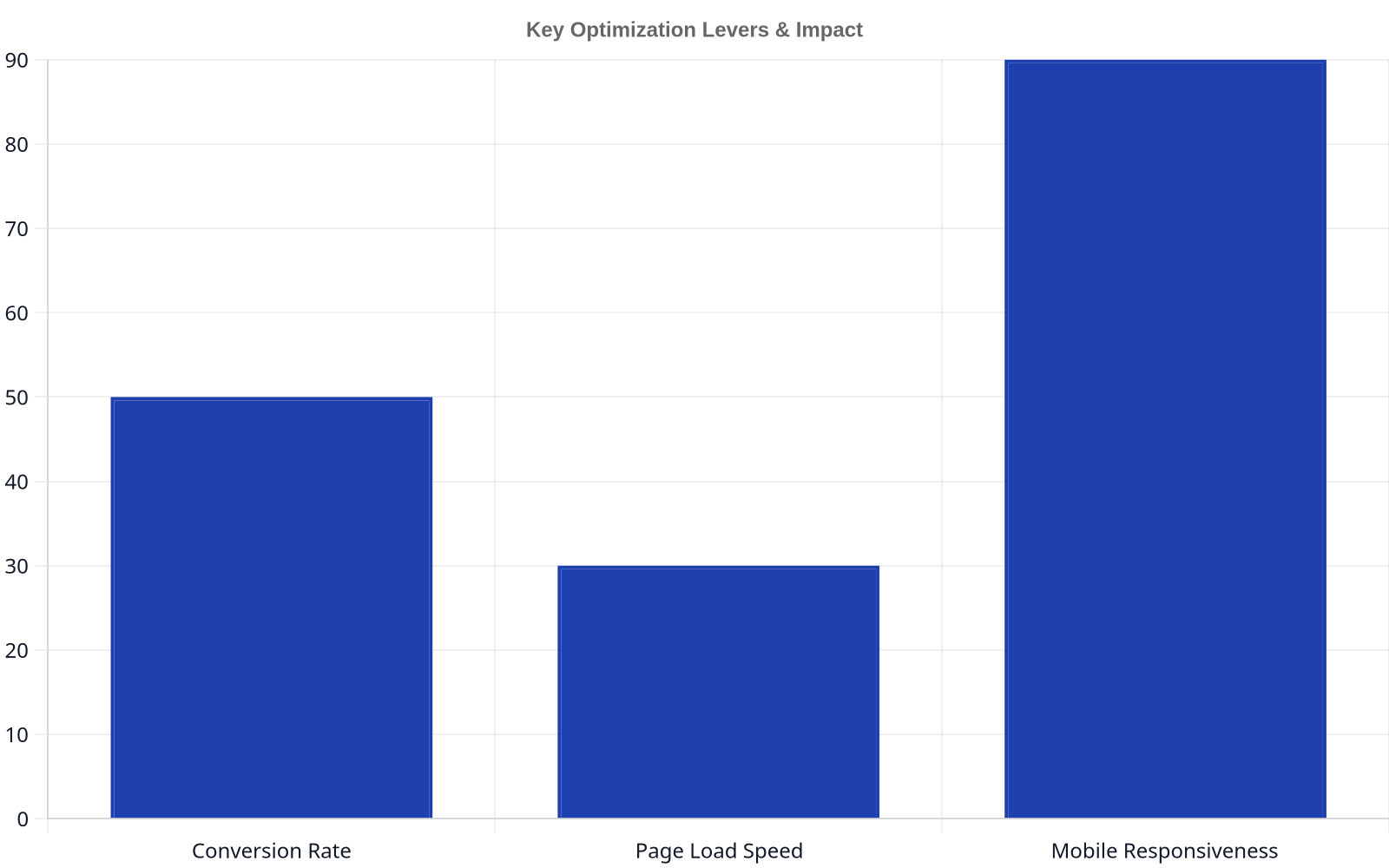
Our approach wasn’t a simple facelift. We initiated a full-scale redevelopment and optimization project grounded in our core Search Engine Optimization services. The goal was to build a platform for sustained, long-term growth. We don’t just build e-commerce stores or websites; we build scalable digital assets.
Our process broke down into three core phases:
- Technical Foundation & Site Architecture: Before any content was written, we focused on the technical backbone. We re-platformed the website to a modern, fast, and secure framework. We implemented a logical URL structure, created a dynamic XML sitemap, and optimized the site’s rendering path to achieve excellent Core Web Vitals scores. A healthy site experience involves meeting thresholds for metrics like Largest Contentful Paint (LCP) and Cumulative Layout Shift (CLS), as detailed on their web.dev platform.
- In-Depth Keyword & Audience Research: We conducted comprehensive keyword research to understand the precise phrases potential customers were using. This went beyond obvious head terms. We identified long-tail keywords indicating high purchase intent and mapped them to a new site structure. This informed every subsequent content and on-page decision, ensuring we were attracting the right kind of visitor.
- Content-Driven On-Page Optimization: With a solid technical base and a clear keyword strategy, we executed a complete overhaul of the site’s content. This involved rewriting service pages to be authoritative and customer-focused, launching a blog to capture informational queries, and implementing rigorous on-page optimization. Every page received unique meta titles, descriptions, and a header hierarchy (H1, H2, H3) that aligned with its target keywords. This created clear signposts for both users and search engine crawlers.
A website without a data-informed SEO strategy is just a collection of pages. A strategically optimized site is a system where every component—from server response time to heading tags—works together to generate business.
This wasn’t about “tricking” Google. It was about creating the best possible resource for Wolverine Assemblies’ potential customers and structuring it in a way that search engines could understand and reward.
Tangible Results: How Dynareach Delivered
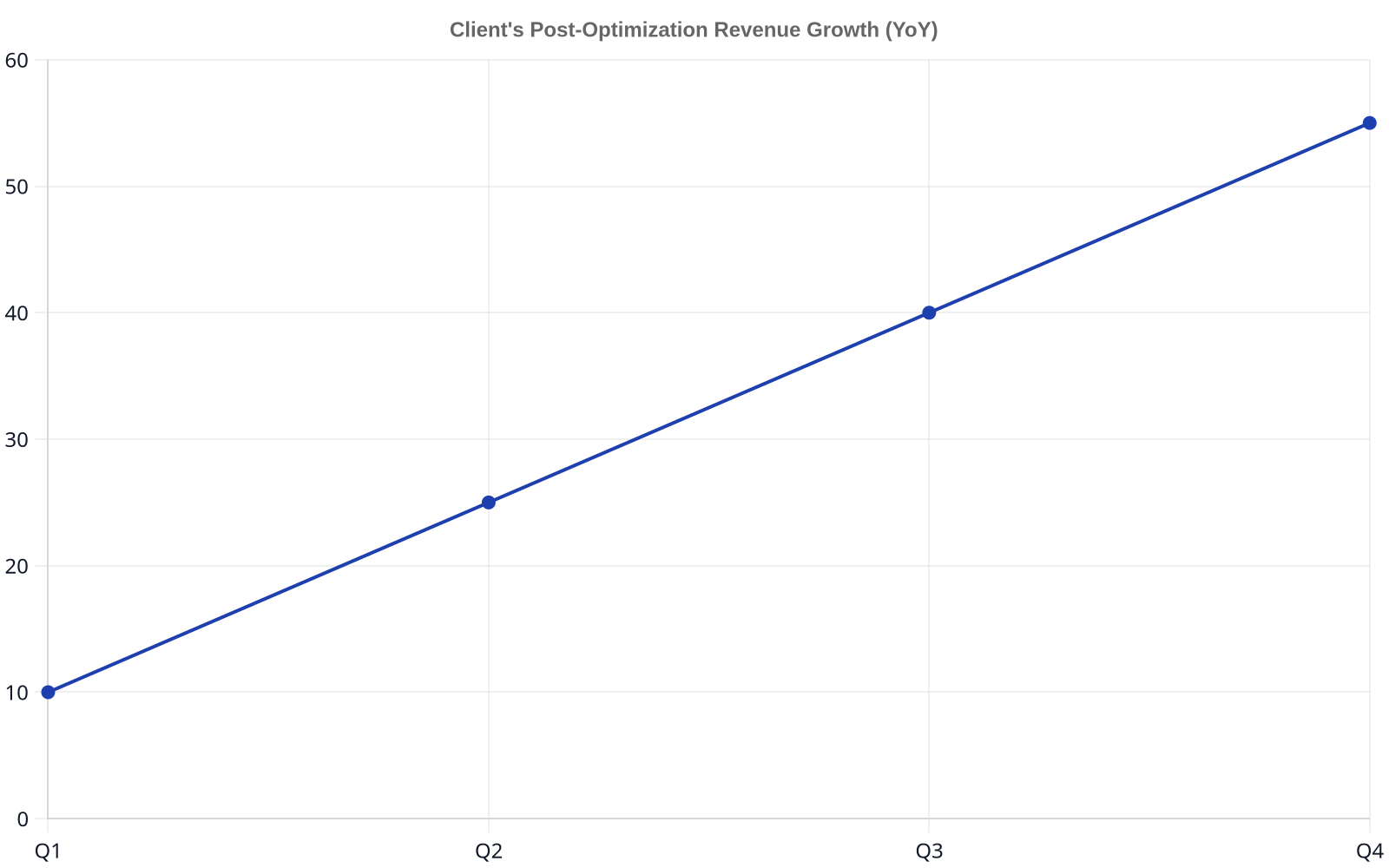
The result of this comprehensive project was a 400% increase in qualified inbound leads through the website’s contact forms. This wasn’t just more traffic; it was more of the right traffic. The “big increase in inquiries from new clients” they noted was a direct outcome of ranking for high-intent keywords that their ideal customers were searching for.
Key performance indicators showed success across the board:
- Organic Traffic Growth: A sustained increase in non-branded organic traffic, indicating that new customers were discovering them through search.
- Keyword Rankings: Achieved top-5 rankings for multiple high-value service keywords in their industry.
- Improved User Engagement: A significant decrease in bounce rate and an increase in average session duration, proving the new site provided a better user experience.
The most important outcome was the creation of a predictable, scalable channel for new business. Wolverine Assemblies now has a digital asset that actively generates leads, strengthens their brand authority, and provides a measurable return on investment.
Lessons for Your E-commerce Business
While this case study features a B2B company, the principles are not only applicable but are amplified for e-commerce. As an ecommerce website optimization company, we apply this same foundational approach to drive direct sales.
Don’t confuse a platform like Shopify or BigCommerce with an optimization strategy. The platform is the empty storefront; the optimization is the location, the sign, the merchandising, and the sales staff all in one.
For an e-commerce site, these strategies translate into concrete actions:
- Technical SEO is Non-Negotiable: Slow-loading product pages kill conversions. A confusing category structure prevents users and Google from discovering your full catalog. Core Web Vitals are paramount.
- Keyword Research Drives Category & Product Pages: Your category pages must target broad, high-volume terms (e.g., “men’s running shoes”). Your product pages must target specific, long-tail terms (e.g., “brooks adrenaline gts 23 size 11”). This alignment is fundamental.
- Structured Data is Your Digital Salesperson: Implementing product schema, review schema, and FAQ schema is critical. This helps Google display rich snippets—like prices, ratings, and availability—directly in the search results. As Google’s own documentation shows, properly structured data is essential for helping Google understand your page. It’s the difference between a plain blue link and a rich, engaging result that begs to be clicked.
The work we did for Wolverine Assemblies built a lead-generation machine. For an e-commerce brand, this same work builds a sales machine.
If your e-commerce growth has stalled, the problem may not be your products. It might be the invisible friction in your website’s foundation. Ready to turn your site into your most effective growth engine? Book a call with Dynareach and let’s talk strategy.
FAQ
What is an ecommerce website optimization company?
An ecommerce website optimization company is a specialized agency that focuses on improving every aspect of an online store to increase traffic, user engagement, and revenue. This includes technical SEO, on-page content strategy, conversion rate optimization (CRO), user experience (UX) design, and site speed improvements.
How long does it take to see results from SEO optimization?
While some minor improvements can have a quick impact, significant results from a comprehensive SEO strategy typically take 4-6 months. SEO is a long-term investment in building a sustainable growth channel. Factors like your industry competitiveness, the initial state of your website, and the scope of the optimization work all influence the timeline.
Is SEO a one-time project or an ongoing process?
SEO is an ongoing process. While a foundational project like the one for Wolverine Assemblies can provide a massive initial lift, maintaining and improving your position requires continuous effort. Search engine algorithms change, competitors adapt, and new keywords become relevant. Ongoing optimization is necessary for sustained growth.
What’s more important: technical SEO or content?
They are both critically important and depend on each other. Technical SEO is the foundation that allows your content to be discovered and indexed effectively. Amazing content on a slow, broken website will never rank. Conversely, a technically perfect site with weak, irrelevant content won’t attract or convert visitors. A successful strategy requires excellence in both.
How do you measure the ROI of e-commerce optimization?
The ROI from e-commerce optimization is measured through several key metrics. The most direct are increases in organic traffic, conversion rate, and average order value, which together lead to higher organic revenue. Other important indicators include improved keyword rankings, lower bounce rates, and higher customer lifetime value from the organic channel.
Can my existing Shopify/BigCommerce site be optimized?
Absolutely. Platforms like Shopify, BigCommerce, and Magento are just the starting point. An ecommerce website optimization company works within the framework of your chosen platform to implement technical fixes, optimize your theme for speed, build out a proper content and keyword strategy, and improve the overall user journey to drive more sales.