
Digital Marketing Trends 2026: Navigating the Future
The digital landscape is constantly evolving, demanding that marketers remain agile and forward-thinking. As we hurtle towards 2026, understanding the key shifts and innovations becomes paramount for sustained success. The strategies that worked yesterday may not be effective tomorrow, making it crucial to anticipate and adapt to emerging digital marketing trends. This article delves into the dominant forces that will shape how brands connect with their audiences in the coming years, from advanced AI applications to a renewed focus on data privacy and the rise of immersive experiences. Get ready to equip your brand with the knowledge needed to thrive in the dynamic digital future.
The Ascendance of Artificial Intelligence and Machine Learning
Artificial intelligence (AI) and machine learning (ML) are not new concepts, but their integration into every facet of digital marketing will reach new heights by 2026. Expect AI to move beyond mere automation, becoming an indispensable partner in strategy, creativity, and optimization. This evolution will empower marketers to achieve levels of personalization and efficiency previously unimaginable.
Hyper-Personalization at Scale
AI’s ability to process vast amounts of data at lightning speed will enable unparalleled hyper-personalization. By analyzing individual user behavior, preferences, and even emotional cues, AI will help tailor content, product recommendations, and ad messaging in real-time. This goes beyond segmenting an audience; it’s about treating every consumer as an individual, delivering bespoke experiences that resonate deeply. Imagine a website that dynamically reconfigures its layout and offers based on your mood, inferred from your browsing patterns. This level of personalization will be a cornerstone of effective digital marketing trends 2026.
Predictive Analytics for Proactive Marketing
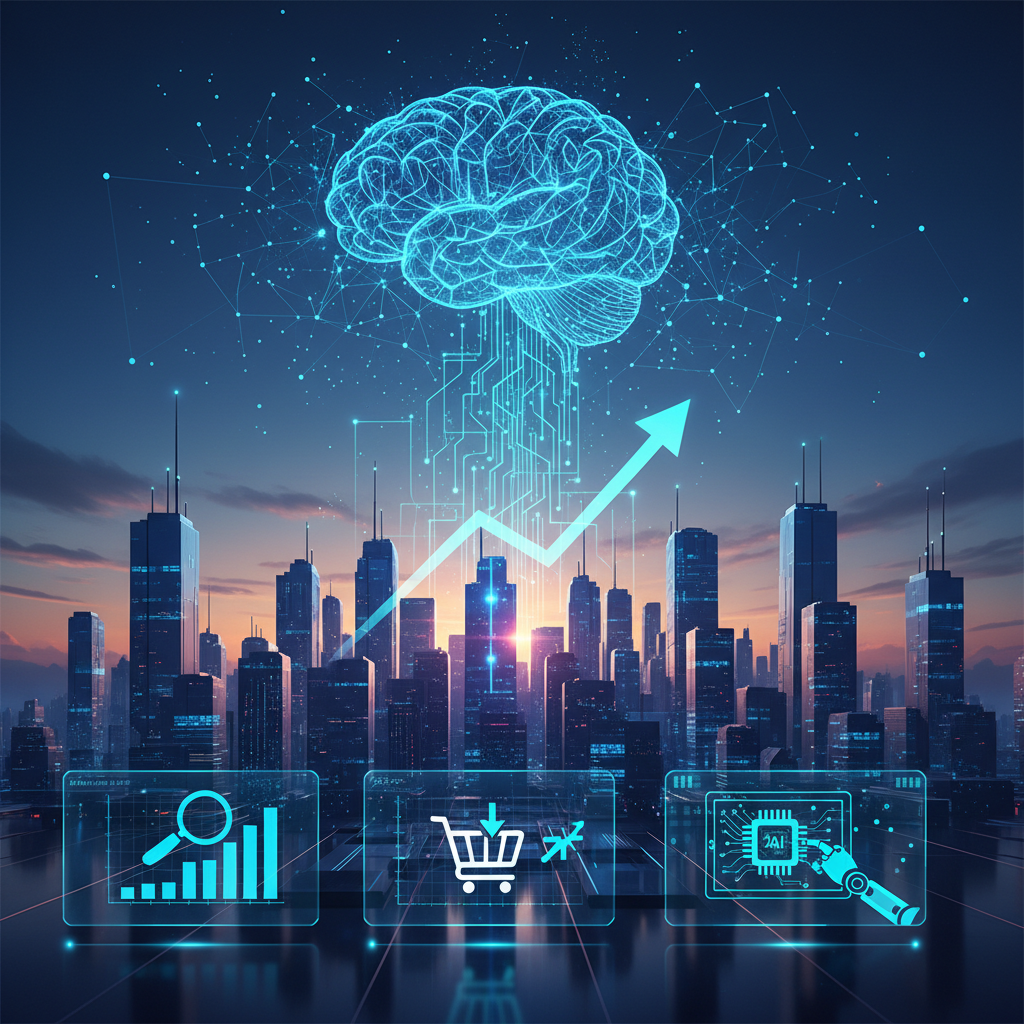
Beyond understanding current behaviors, AI will significantly enhance predictive analytics. Marketers will leverage AI to forecast future trends, anticipate customer needs, and predict churn rates with greater accuracy. This allows for proactive marketing campaigns, intervening at critical moments in the customer journey before issues arise or opportunities are missed. For instance, AI could predict which customers are likely to unsubscribe from a service and trigger a targeted re-engagement campaign with a personalized offer.
AI-Powered Content Creation and Optimization
The creation of marketing content will also see a dramatic transformation. AI tools will assist in generating copy, crafting video scripts, and even designing basic visuals. While human creativity remains essential, AI will act as a powerful co-pilot, speeding up workflows and suggesting optimized elements for better performance. Furthermore, AI will continuously analyze content performance, recommending real-time adjustments to headlines, calls-to-action, and even imagery to maximize engagement and conversion rates.
The Privacy-First Era and Ethical Data Usage
Amidst increasing consumer concern and evolving regulations, data privacy will remain a critical digital marketing trend in 2026. The move away from third-party cookies and the demand for greater transparency will force brands to rethink their data collection and utilization strategies. Trust will become the ultimate currency.
First-Party Data Dominance
With the deprecation of third-party cookies, first-party data will take center stage. Brands will invest heavily in strategies to directly collect, manage, and leverage data from their own customer interactions – whether through website analytics, CRM systems, loyalty programs, or direct surveys. This will necessitate creating more value-driven exchanges for data, offering customers clear benefits in return for their information. Building robust first-party data strategies is crucial for sustaining personalized experiences without relying on external tracking.
Transparent Data Practices and Consent Management
Consumers are becoming more aware of how their data is used. By 2026, brands will need to go beyond mere compliance with regulations like GDPR and CCPA. Clear, concise, and easily accessible consent management platforms will be standard. Marketers will prioritize explaining why certain data is collected and how it benefits the user, fostering a relationship built on transparency and trust. Ethical data usage will be a competitive differentiator.
Immersive Experiences and New Media Formats
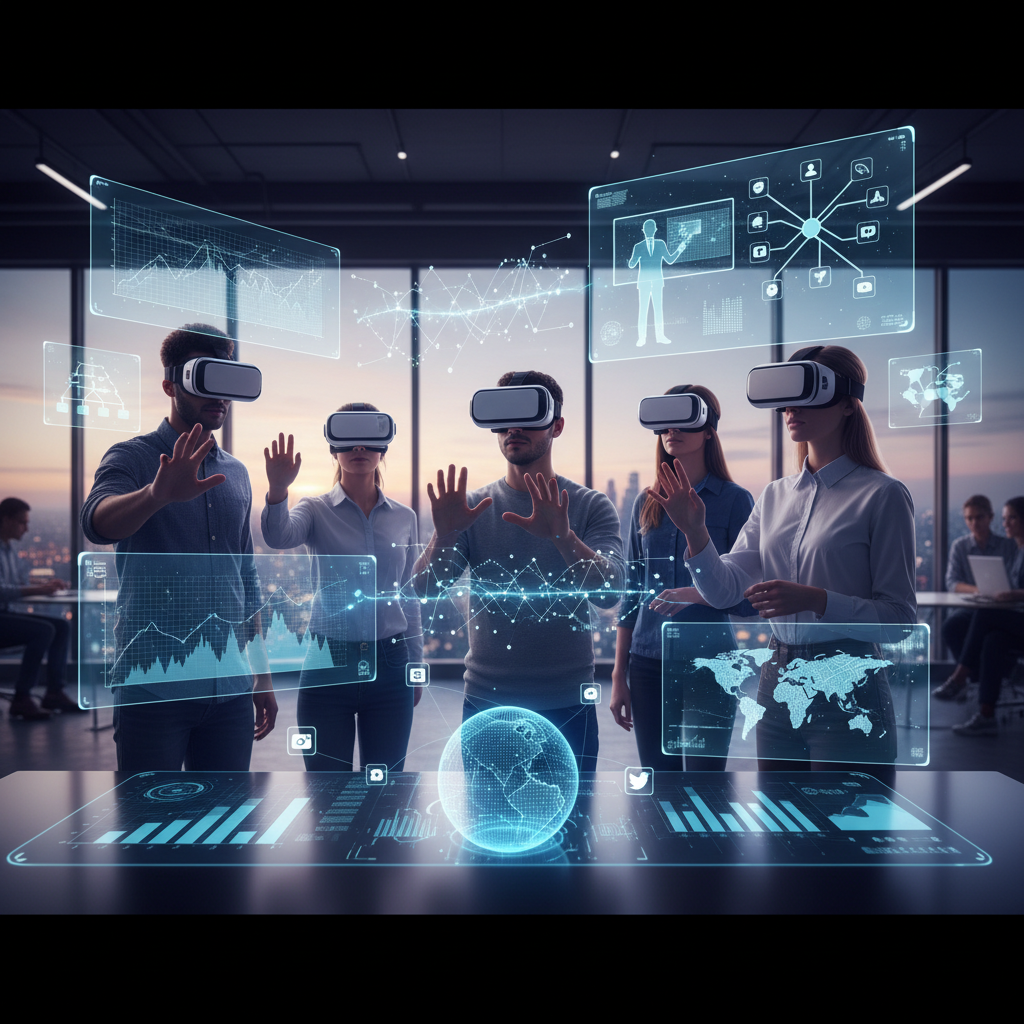
The craving for more engaging and interactive experiences will drive the adoption of new media formats, pushing the boundaries of traditional advertising. Virtual reality (VR), augmented reality (AR), and the metaverse will transition from niche technologies to mainstream marketing channels for many brands.
The Rise of the Metaverse and Virtual Worlds
While the full realization of the metaverse is still some years away, its foundational elements will profoundly impact digital marketing by 2026. Brands will experiment with virtual storefronts, host events in digital realms, and create immersive brand experiences that allow consumers to interact with products and services in entirely new ways. Think of virtual product launches where attendees can ‘try on’ digital apparel or explore a new car inside a virtual dealership.
Augmented Reality in E-commerce and Advertising
Augmented reality (AR) will become increasingly integrated into e-commerce, allowing consumers to virtually try on clothes, place furniture in their homes, or visualize products in a real-world context before purchase. Beyond retail, AR will transform advertising, turning passive ads into interactive experiences that engage users directly through their smartphone cameras. This blend of the digital and physical will offer unprecedented opportunities for product demonstration and brand engagement.
Interactive Content and Gamification
Gone are the days of static content dominating the digital sphere. Interactive quizzes, polls, calculators, and even mini-games will become standard fare for capturing attention and gathering valuable zero-party data (data intentionally and proactively shared by consumers). Gamification – applying game-design elements and game principles in non-game contexts – will extend beyond loyalty programs into advertising campaigns and content marketing, enhancing user engagement and brand recall.
The Evolving Role of Organic Search and Content
Search engine optimization (SEO) and content marketing will continue to be fundamental, but their approach will evolve significantly. The focus will shift even more towards understanding user intent beyond keywords, emphasizing expertise, authoritativeness, and trustworthiness (E-A-T), and adapting to diverse search behaviors.
Semantic Search and Topic Clustering
Search engines are becoming more sophisticated, understanding the context and intent behind queries rather than just matching keywords. By 2026, marketers will prioritize semantic SEO, creating comprehensive content clusters around broad topics rather than optimizing for individual keywords. This approach aims to answer all potential user questions related to a subject, establishing the brand as an authoritative source and improving organic visibility across a wider range of related searches.
Visual Search and Voice Search Optimization
The proliferation of smart speakers and advanced image recognition technology means optimizing for visual and voice search will be non-negotiable. Marketers will need to consider how their content and products appear in image searches and how people formulate questions using natural language for voice assistants. This involves detailed image alt texts, structured data markup, and writing content that directly answers common questions.
Comparison Table: Traditional vs. 2026 Content Strategy
| Feature | Traditional Content Strategy | 2026 Content Strategy |
|---|---|---|
| Keyword Focus | Individual keywords | Semantic topics and user intent |
| Data Reliance | Third-party cookies & basic analytics | First-party data & predictive analytics |
| Content Format | Text-heavy blogs, static images | Interactive, AR/VR, video, short-form text |
| Personalization Level | Segmentation | Hyper-personalization, 1-to-1 experiences |
| Data Transparency | Often opaque | Explicit consent, value exchange |
Embracing Sustainability and Social Responsibility
Consumers, especially younger demographics, are increasingly basing their purchasing decisions on a brand’s commitment to social and environmental responsibility. Digital marketing trends 2026 will see brands authentically integrating their sustainability efforts and ethical practices into their core messaging.
Purpose-Driven Marketing
Brands that genuinely stand for something beyond profit will resonate most strongly. Purpose-driven marketing, where a brand’s values align with a social or environmental cause, will move from a niche strategy to a mainstream expectation. Digital campaigns will highlight origin stories, ethical supply chains, community involvement, and eco-friendly practices in transparent and engaging ways.

Authenticity and Transparency
In an age of skepticism, authenticity is paramount. Consumers can quickly spot greenwashing or performative activism. Digital marketing in 2026 will demand genuine commitment, backed by evidence and transparent reporting. Brands will need to communicate their efforts openly, acknowledging challenges and showcasing continuous improvement rather than just perfect results.
FAQs About Digital Marketing Trends 2026
Q1: What is the single most important digital marketing trend for 2026?
A: While many trends are significant, the overarching theme is the enhanced integration of AI for hyper-personalization. AI will underpin many other trends, from content creation to predictive analytics, making it crucial for nearly all marketing efforts.
Q2: How can small businesses prepare for these upcoming trends?
A: Small businesses should focus on building strong first-party data strategies, adopting basic AI tools for automation and personalization, and exploring cost-effective interactive content. Prioritizing authenticity and local SEO will also be key.
Q3: Will traditional marketing channels still be relevant in 2026?
A: Yes, but their role will evolve. Traditional channels like email marketing will become even more personalized and integrated with other digital touchpoints, leveraging AI for optimized timing and content. The goal will be a seamless, omnichannel customer experience.
Q4: Why is data privacy so important for digital marketing trends in 2026?
A: Data privacy is crucial because increasing consumer awareness and stricter regulations demand it. Brands that prioritize ethical data handling and transparency will build greater trust and loyalty, which are essential for long-term success in a privacy-first world.
Q5: How will the metaverse impact everyday digital marketing?
A: For many brands, the metaverse will initially impact everyday digital marketing by serving as a new channel for brand presence, virtual engagements, and potentially e-commerce. It offers opportunities for immersive advertising and community building, transforming how brands tell their stories and connect with consumers in interactive, virtual spaces.
Conclusion
The digital marketing landscape of 2026 promises to be more intelligent, more personalized, and more engaging than ever before. Brands that embrace the power of AI, prioritize ethical data practices, and explore immersive and interactive content will be best positioned for success. The focus will shift from simply reaching audiences to building deep, meaningful relationships through authentic, purpose-driven experiences. Understanding and strategically integrating these key digital marketing trends 2026 will not only future-proof your marketing efforts but will also unlock unprecedented opportunities for growth and customer loyalty. The future is dynamic, and staying ahead means continuously learning, adapting, and innovating.