
Getting your business visible on the internet requires a systematic approach. Building and creating an effective online presence checklist ensures you cover all the technical, visual, and operational elements customers expect. People need to find your brand, confirm your legitimacy, and contact you without friction. A structured plan prevents missing critical details that cost you traffic and trust.
Standardise Brand Visuals Across Channels
Your website and social profiles need a uniform look. A distinct mark and steady colour scheme show customers they reached the proper page. Many owners skip file standards early on and waste hours re-exporting graphics later.

Start by securing production-ready master files. According to Business Gateway, you must obtain your final logo as a vector file so you can scale it up or down without losing quality. Raster files blur quickly on large displays. Make sure your design remains unique and avoids trademark infringement before publishing it anywhere.
Do not forget browser tabs. Business Gateway advises designing a small 16×16 pixel favicon for web browsers and bookmarks. This icon can feature a scaled-down version of your full mark or isolate a single distinct element. Avoid cramming full business names into that tiny canvas. A simple, uncluttered emblem keeps the tab easily recognizable even when a visitor opens dozens of competing pages.
Local Search and Directory Listings Drive Targeted Traffic
Claiming the properties where customers actively search for local services is mandatory. Search engines prioritize verified local businesses for queries indicating a specific geographic need.
Search engines prioritize verified local businesses for queries indicating a specific geographic need.
Your immediate priority is to verify your local profile is created and claimed so the business appears in local search results and Google Maps listings. This step is critical for capturing foot traffic and direct phone calls. Once your profile is live, focus on reputation management.
You need to review directory profiles to ensure systems are in place to collect and monitor reviews on key sites including Google, Facebook, and Yelp. Unanswered complaints harm your conversion rates, while active responses show potential customers you care about their experience. Ensuring all local citations match exactly is a core part of a new website launch checklist.
Social Media Channel Strategy Requires Continuous Monitoring
Publishing content on social platforms is only a fraction of the job. You must analyze how users interact with your posts to refine your messaging over time.
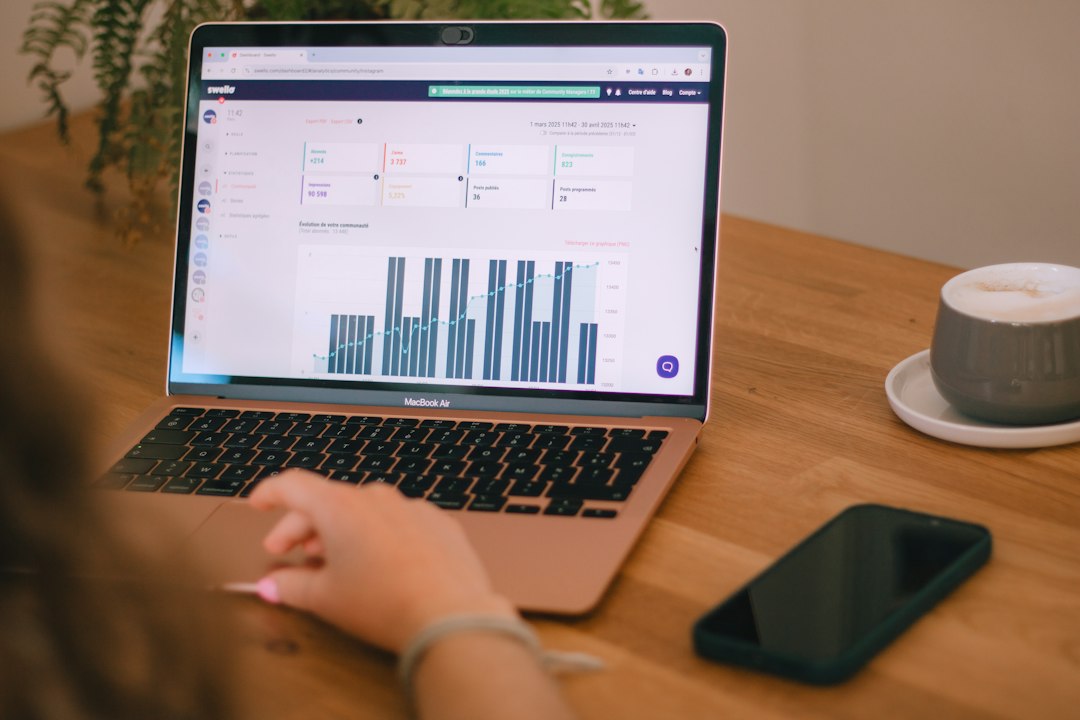
Audience behavior shifts rapidly. You must check social management workflows to confirm engagement is actively tracked and tactics adjusted rather than relying strictly on seasonal event posts. Measuring likes, shares, and comments tells you what actually resonates with your market. Do not waste resources maintaining accounts on every available network.
Pick the two or three platforms where your target demographic spends their time and focus your budget there. As companies experiment with immersive formats and metaverse marketing strategies 2026, the basic requirement remains the same: you must measure interaction data to justify the effort.
Web Accessibility and Usability Standards Protect All Users
Digital accessibility ensures everyone can navigate and understand your website regardless of their physical abilities. Meeting these standards expands your audience and minimizes the risk of legal complaints. Designing for all users is a fundamental aspect of exceptional web design.
You must inspect website imagery to verify that all images, illustrations, and charts include alt text so screen reader users can understand their content and purpose. Search engines also rely on this descriptive text to categorize your visual media. You also need to audit page styling to confirm there is enough contrast between text and background so that low-vision and color-blind users can read the content.
Testing these visual parameters early prevents expensive redesigns later. Even as organizations look toward automated layouts and ai website builder trends 2027, manual verification of color contrast and structural hierarchy remains necessary. A strict technical seo checklist will often catch missing accessibility tags before they become a problem.

Frequently Asked Questions
What Does It Mean to ‘Have a Strong Online Presence’?
Having a strong online presence means your business is easy to find, professional in appearance, and active on the platforms your customers use. It requires consistent branding across a technical website, claimed local directories, and monitored social media profiles. A strong presence builds immediate trust and removes friction for buyers trying to contact you.
What Is Online Presence?
Online presence is the collective sum of all identities you have created and the interactions those identities have established on the internet. This includes your primary website, social media accounts, directory listings, and third-party reviews. It acts as your digital storefront and reputation combined.
Why Your Online Presence Matters
Your online presence matters because most consumers research products and services on the internet before making a purchase decision. A neglected digital footprint pushes potential buyers toward competitors who appear more established. Active profiles and a functional website prove your business is currently operating and responsive to customer needs.
Why Website Accessibility Matters
Website accessibility matters because it allows people with disabilities to independently consume your content and purchase your services. Designing an inclusive site expands your potential customer base while aligning with international usability standards. Ignoring these guidelines creates barriers that frustrate users and drive them away.
When the ADA Requires Web Content to be Accessible
The Americans with Disabilities Act generally requires businesses open to the public to provide full and equal enjoyment of their goods and services, which includes digital offerings. Any business operating a website that serves as an extension of its physical location must remove barriers to access. Failing to follow published web accessibility guidance exposes companies to civil litigation.
Completing a structured digital audit prevents small technical oversights from damaging your brand’s reputation. Verify your visual assets, claim your local directories, and test your site for accessibility to secure your place in the market.