
How To Budget for Ecommerce Website Development Package Pricing in 2026
Stop asking for a simple price list for an e-commerce website. There isn’t one. Asking “How much for a store?” is like asking “How much for a vehicle?” Are you buying a Vespa or a Freightliner? A site that sells five handmade products from a single landing page has vastly different technical needs than a marketplace with 50,000 SKUs, multi-vendor logistics, and real-time inventory sync. Ecommerce website development package pricing isn’t a fixed menu; it’s a tailored investment based on complexity, platform, and required integrations.
For a small business using a template-based platform like Shopify or BigCommerce, expect an initial setup cost between $5,000 and $25,000. A mid-market business needing a more customized solution on a platform like Magento or a headless setup should budget from $25,000 to $100,000. For large enterprises requiring bespoke features, complex integrations, and custom SaaS platforms, development can easily exceed $100,000. These price tiers reflect the depth of design, development, and ongoing support needed to build a platform that drives revenue, not just displays products.

The Three Tiers of Ecommerce Development Pricing
Most agency proposals for e-commerce development fall into one of three buckets. The names change, but the core deliverables and the price tags attached to them are surprisingly consistent across the industry. Understanding these tiers is the first step to decoding any quote you receive.
Tier 1: The Starter Package ($5,000 – $25,000)
This is the entry point, designed for startups and small businesses testing the waters of online retail. The focus here is speed to market and cost-efficiency. Development at this tier almost exclusively uses platforms like Shopify, BigCommerce, or WooCommerce with pre-built themes.
- What you get: A professionally configured and lightly customized storefront. This typically includes theme installation, branding application (logo, color scheme), setup for up to 50 products, configuration of standard payment gateways (Stripe, PayPal), and basic shipping zone rules. The agency handles the technical setup so you can focus on your product.
- Who it’s for: Businesses with a small, stable product catalog and straightforward shipping needs. Think a local boutique going online, a D2C brand with a flagship product, or a side project with proven demand.
- Limitations: Custom functionality is minimal. You are largely constrained by the features of the chosen theme and the app ecosystem of the platform. Complex product variations, subscription models, or intricate B2B logic will push you into the next tier.
Tier 2: The Business Growth Package ($25,000 – $100,000)
This is where most established small and mid-market businesses land. Your business is growing, and the limitations of a starter site are actively costing you sales or creating operational headaches. This tier moves beyond templates into custom design and more robust development on platforms like Magento Open Source, Adobe Commerce, or a “headless” architecture using a backend like Shopify Plus.
- What you get: A custom-designed user interface (UI) and user experience (UX) tailored to your brand and target customer. It includes development of specific features not available out-of-the-box, such as advanced product configurators, integration with an ERP or 3PL, and more sophisticated analytics and marketing automation setups. You might see a dedicated project manager and a more formal discovery and design phase.
- Who it’s for: Companies with a significant online revenue stream, a larger product catalog (hundreds to thousands of SKUs), or specific workflow requirements. This is for the business that needs the website to integrate deeply with its other operational software.
- Key driver: The primary cost driver here is custom code. A 2023 survey from BuiltWith shows that while Shopify is the most popular platform, the top 10k e-commerce sites are a diverse mix, indicating that high-growth companies often move to more customizable solutions.
Tier 3: The Enterprise & Custom Platform ($100,000+)
This tier is reserved for large-scale retailers or businesses with unique digital product models that no off-the-shelf platform can serve. We’re talking about building custom marketplaces, multi-vendor platforms, or complex e-commerce stores with deep business logic. This is full-scale Web & Software Development. The underlying technology might be a heavily extended Magento instance, a completely custom framework like Laravel or Symfony, or a sophisticated headless build with multiple microservices.
- What you get: A bespoke digital product. This involves extensive discovery, architecture planning, dedicated development teams (frontend, backend, QA), and integrations with multiple enterprise-level systems (PIM, OMS, CRM). Timelines are measured in months, not weeks.
- Who it’s for: National retailers, B2B distributors with complex pricing rules, or funded startups building a platform-based business model. Examples include sites like a custom print-on-demand service with a user-facing design tool or a marketplace for industrial equipment rentals.
- Cost factors: The sky is the limit. Pricing is determined by the sheer volume of developer hours, the number and complexity of integrations, data migration challenges, and ongoing retainer costs for maintenance, security, and feature enhancements.
The platform isn’t just a storefront; it’s the central nervous system of your online business. The cost reflects the complexity of the operational problems it needs to solve.
Unpacking the Line Items: What Are You Actually Paying For?
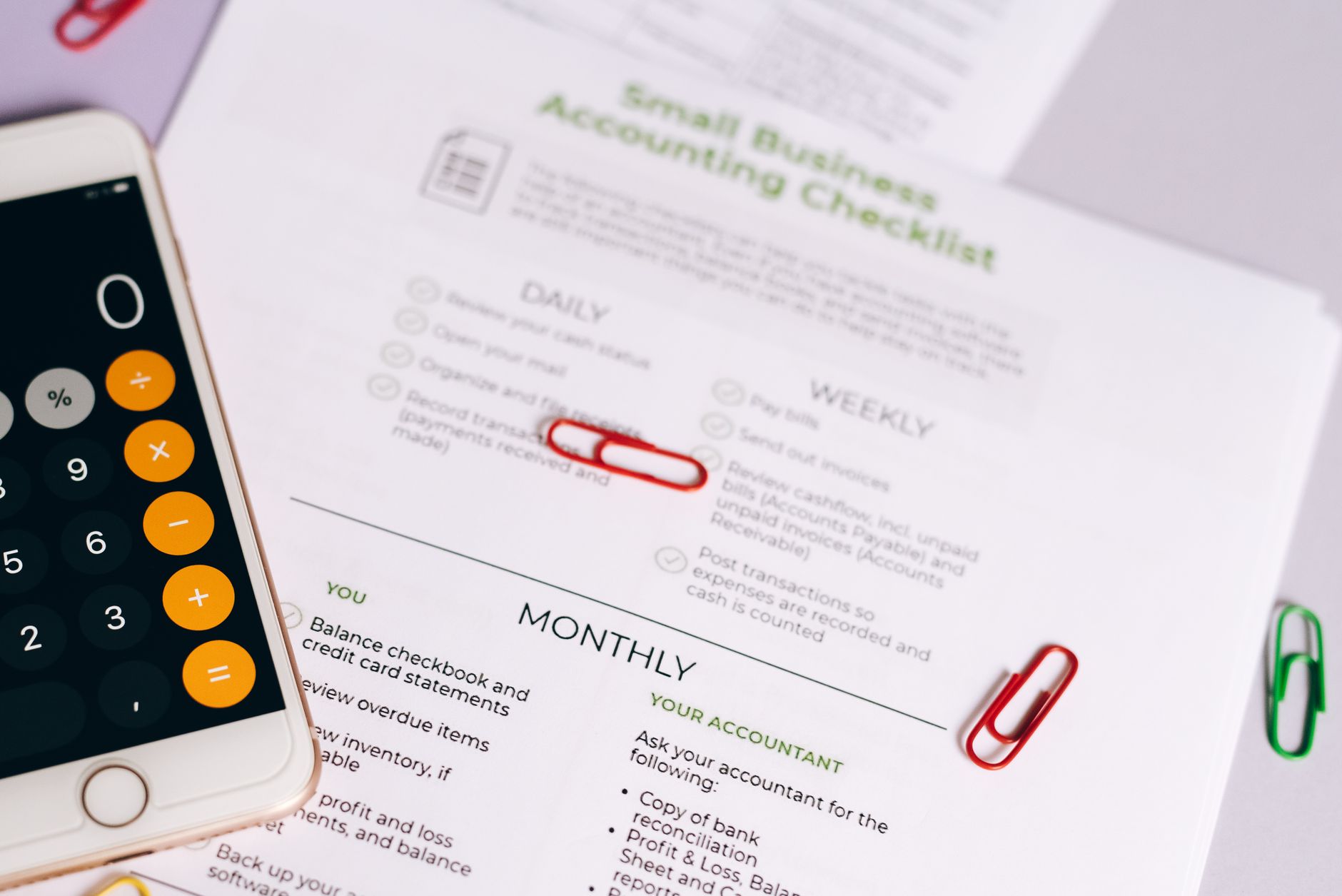
A detailed proposal should break down costs beyond a single lump sum. If an agency just gives you one number with no explanation, that’s a red flag. Here are the core components you should expect to see itemized in any professional ecommerce website development package pricing quote.
Discovery & Strategy
This is the most critical and often underestimated phase. It’s where the agency dives deep into your business goals, target audience, competitive landscape, and technical requirements. Skipping this is like a builder starting construction without a blueprint. It’s a recipe for disaster and scope creep.
- Activities: Stakeholder interviews, user persona workshops, competitive analysis, technical audit of existing systems, feature prioritization (MoSCoW method), and creation of a detailed project roadmap.
- Deliverables: A comprehensive strategy document, sitemap, user flow diagrams, and a technical specification sheet. This document becomes the single source of truth for the entire project.
- Cost: Typically 10-15% of the total project budget.
UX/UI Design
This phase translates the strategy into a visual and interactive experience. UX (User Experience) focuses on the architecture and flow, ensuring the site is intuitive and easy to navigate. UI (User Interface) focuses on the visual design, creating a look and feel that reflects your brand.
- Activities: Wireframing key pages (homepage, category, product, cart, checkout), creating high-fidelity mockups, and prototyping interactive elements. A well-designed user interface could raise your website’s conversion rate by up to 200%.
- Deliverables: Complete wireframe set, a style guide or design system (colors, typography, component library), and full-color mockups for all unique page templates.
- Cost: Typically 15-25% of the total project budget.
Frontend & Backend Development
This is the “building” phase where the designs are turned into a functional website. It’s split into two parts:
- Frontend Development: Building the part of the website that users see and interact with in their browser. This involves writing HTML, CSS, and JavaScript to bring the UI mockups to life, ensuring it’s responsive on all devices.
- Backend Development: Building the “engine” of the site. This includes setting up the database, programming the business logic (how products, orders, and users work), configuring the server, and integrating with third-party services.
- Activities: Theme development, custom plugin/extension creation, API integration, database setup, and server configuration.
- Deliverables: A staged, functional website for review and testing.
- Cost: This is the largest portion, typically 40-60% of the total budget.
Third-Party Integrations
No e-commerce site is an island. It needs to connect with other software to function effectively. Each connection point adds complexity and cost. Common integrations include:
- Payment Gateways: Stripe, PayPal, Authorize.net
- Shipping Providers: FedEx, UPS APIs, ShipStation, EasyPost
- Email Marketing: Klaviyo, Mailchimp
- Analytics: Google Analytics 4, Hotjar, Microsoft Clarity
- ERP/PIM/OMS: NetSuite, Infor, a custom-built PIM
- Taxes: Avalara, TaxJar
Each integration requires research, configuration, and often custom development to ensure data flows correctly. An ERP integration alone can be a $10,000+ line item.
Pricing Models: Retainer, Fixed Bid, or Time & Materials?
Agencies structure their pricing in different ways. The model used will impact your cash flow, risk, and the flexibility you have during the project. It’s crucial to understand which model you’re signing up for.
Fixed Bid Pricing
This is the most straightforward model: one fixed price for a clearly defined scope of work. It’s appealing because it provides cost certainty. If the project takes longer than expected, the agency absorbs the extra cost.
- Pros: Budget predictability. You know exactly what you will pay from the outset.
- Cons: Inflexible. Any change or new idea mid-project requires a “change order,” which comes with additional costs and can delay the timeline. To protect themselves, agencies often build a significant buffer into the price, meaning you might be paying more than the actual work requires. A inherent risks of fixed-price contracts highlights the inherent risks of fixed-price contracts in projects with evolving requirements.
Time & Materials (T&M) Pricing
With this model, you pay for the actual time spent on your project, typically billed at an hourly or daily rate. You receive regular invoices detailing the work completed.
- Pros: Maximum flexibility. You can change priorities, add features, and evolve the project as you go. You only pay for the work that is actually done.
- Cons: Budget uncertainty. The final cost isn’t known until the project is finished. This requires a high degree of trust in the agency and diligent project management to keep costs from spiraling.
Retainer / Dedicated Team
A retainer model involves paying a fixed monthly fee for access to a team of developers, designers, and strategists. This is less common for one-off builds but is standard for ongoing development, optimization, and maintenance after launch.
- Pros: A proactive, long-term partner invested in your growth. The team develops deep knowledge of your business and can address issues and opportunities much faster than a project-based team.
- Cons: Higher monthly commitment. It’s best for businesses that have a consistent and ongoing need for development work, not just a single project.

Comparison of E-commerce Platform Costs
Choosing the right platform is one of the biggest decisions you’ll make. The platform dictates not only your upfront development cost but also your long-term operational costs and flexibility. Here’s a breakdown of the most common choices.
| Feature / Platform | Shopify | BigCommerce | WooCommerce (WordPress) | Adobe Commerce (Magento) |
|---|---|---|---|---|
| Ideal Business Size | Startup to Mid-Market | Startup to Enterprise | Startup to Mid-Market | Mid-Market to Enterprise |
| Upfront Dev Cost | Low to Medium | Low to Medium | Low to High | Medium to Very High |
| Hosting | Included | Included | Self-Hosted (Variable Cost) | Self-Hosted or Cloud (High Cost) |
| Monthly Fees | $39 – $2,300+ (Plus) | $39 – Custom (Enterprise) | $0 (Plugin is free) | $22,000+/year (License Fee) |
| Transaction Fees | 0.5% – 2% (if not using Shopify Payments) | None | None (Processor fees only) | None (Processor fees only) |
| Ease of Use | Very High | High | Medium | Low (Requires expertise) |
| Customizability | Medium (Apps & Themes) | High (API-driven) | Very High (Open Source) | Extremely High (Open Source) |
Don’t just solve for today’s problems. Choose a platform that can handle the complexity and scale you anticipate in 18-24 months.
Hidden Costs & Long-Term Maintenance
The price on the proposal is just the beginning. An e-commerce website is a living asset that requires ongoing investment to remain secure, functional, and effective. Ignoring these costs is a common and expensive mistake.
Step-by-Step: The Launch and Post-Launch Process
- Quality Assurance (QA) & Testing: Before launch, the site undergoes rigorous testing across different browsers, devices, and user scenarios. This isn’t a quick check; it’s a systematic process of trying to “break” the site to find bugs before your customers do. This phase can take up 15-20% of the development timeline.
- Go-Live & Deployment: The process of moving the site from a staging server to your live domain. This is a delicate operation that involves final data migration, DNS changes, and post-launch checks.
- Ongoing Maintenance & Security: Once live, the work isn’t over. A recent report from Sucuri highlights that e-commerce platforms are a top target for hackers. Your site will need regular security patches, software updates, and performance monitoring. This is often handled through a monthly maintenance retainer, which can range from $500 to $5,000+ depending on the site’s complexity.
- Hosting Costs: For self-hosted platforms like Magento or WooCommerce, you need to pay for server space. A basic shared hosting plan might be $30/month, but a high-traffic site will need a dedicated or cloud-based server, costing hundreds or thousands per month.
- App & Plugin Subscriptions: The Shopify App Store and WordPress plugin repository are filled with tools that add functionality, but many come with recurring monthly fees. These can add up quickly, from $50 to over $1,000 per month.
- SEO & Marketing: A great website with no traffic is useless. You need to budget for ongoing search engine optimization, content marketing, and advertising to drive qualified visitors to your new store.
Building an e-commerce platform is a significant investment, but it’s one of the most critical you can make for your business’s growth. By understanding the different pricing tiers, the components of a development project, and the long-term costs involved, you can create a realistic budget and choose a development partner who can deliver true value.
FAQ
How long does it take to build an e-commerce website?
For a Tier 1 starter package using a Shopify or BigCommerce template, the timeline is typically 4 to 8 weeks. A Tier 2 custom build on a platform like Magento or a headless setup can take 3 to 6 months. For a complex Tier 3 enterprise build, the timeline is often 6 to 12 months or longer, depending on the scope of custom features and integrations.
What are the ongoing monthly costs of an e-commerce site?
Ongoing costs vary widely.
Can I get a cheaper website on a platform like Wix or Squarespace?
However, their e-commerce capabilities are very basic. They are suitable for simple stores with a handful of products but lack the advanced inventory management, shipping logic, customization, and integration capabilities required by most serious, growing e-commerce businesses.
Why do some agencies charge so much more than others?
The price often reflects the depth of the team’s experience, the thoroughness of their process, and the level of strategic input you receive. A lower price might come from a junior team, a rushed discovery phase, or a heavy reliance on templates. A higher price typically indicates a senior team, a comprehensive strategy and design process, and fully custom development work. You’re paying for a strategic partner, not just a pair of hands to code.
Do I really need a maintenance plan?
Absolutely. An e-commerce website is not a “set it and forget it” project. Platforms and their extensions require constant updates to patch security vulnerabilities and ensure compatibility. Without a maintenance plan, your site is at a high risk of being hacked, breaking after a software update, or suffering from degraded performance. It’s a critical insurance policy for your online revenue stream.
Ready to get a detailed, transparent quote for your e-commerce project? Dynareach specializes in building scalable e-commerce platforms and custom software solutions that drive growth. We don’t just build websites; we build the engine for your business. Book a call with our team to discuss your project and see how our Web & Software Development expertise can help you succeed.